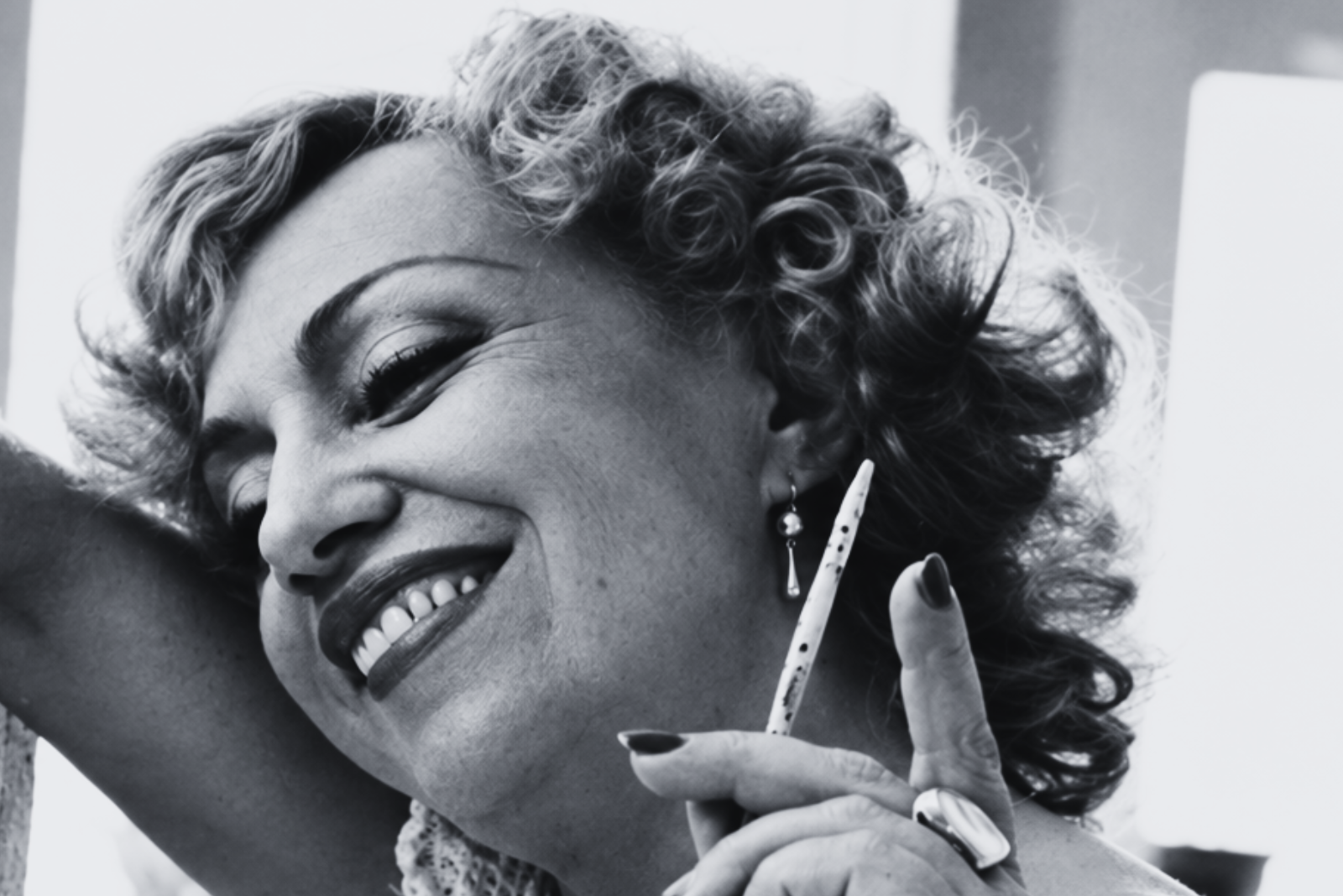
Miriam Inez da Silva was born in Trindade, Goiás, Brazil, in 1937, and passed away in 1996. A Brazilian artist recognized for her contributions to printmaking and painting, she developed a practice deeply rooted in popular culture, rural social life, and the religious imagery of Brazil. She began her artistic training at the Escola Goiana de Belas Artes, where she encountered the printmaking techniques that would define the first phase of her career. In 1960, she moved to Rio de Janeiro, where she studied painting under Ivan Serpa at the Museum of Modern Art in Rio de Janeiro (MAM Rio)—a pivotal environment for the consolidation of Brazilian modern art. Throughout the 1960s, her printmaking work garnered critical acclaim, including her participation in the São Paulo Biennial in 1963 and 1967. From the late 1960s onward, she gradually shifted her focus toward painting, holding her first solo exhibition in 1970 in Rio de Janeiro. In her mature work, she developed a visual language characterized by narrative compositions, stylized figures, and a keen sensitivity to color, frequently depicting scenes of daily life, rural festivities, collective rituals, and devotional imagery. Her body of work bridges modern artistic language with vernacular visual traditions, crafting a poetic interpretation of Brazilian cultural identity. To date, no reliable public sources have been identified that confirm the presence of works by Miriam Inez da Silva in permanent museum collections.