
Miami and the Unmasking of a Slowing Market – 2025
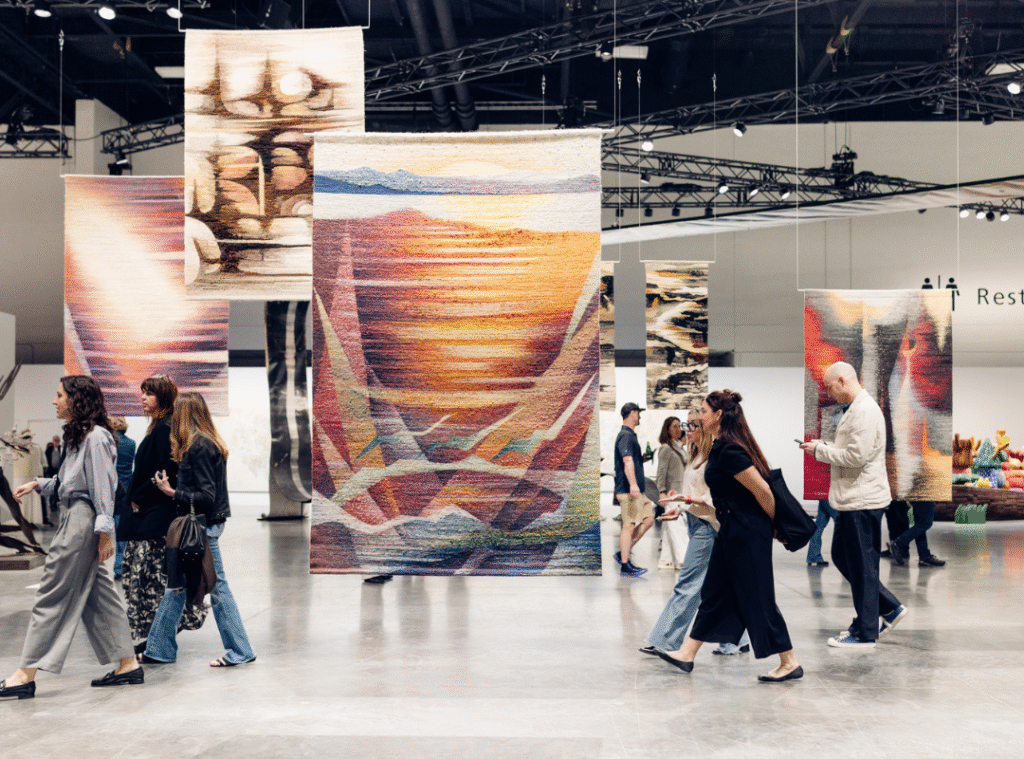
Two weeks after the major New York auction houses collectively achieved over $2.2 billion in sales, the art world naturally expected this momentum to spill over into Art Basel Miami, an extension of the end-of-year market cycle that traditionally attracts an active mix of American and Latin American collectors.
However, this year told a different story. The market’s apparent vitality proved to be an illusion: very few key clients are on the ground, the usual excitement is noticeably absent, preview purchases were limited, and several Brazilian galleries even withdrew entirely from the fair, choosing instead to prioritise the increasingly strategic Paris edition. Among them are Luisa Strina and Fortes D’Aloia & Gabriel (absent since 2024), joined by international galleries that represent major Brazilian artists, such as Alison Jacques for Lygia Clark or Peter Kilchmann for Fernanda Gomes, who also opted not to return this year.
From London Whispers to Paris Booms: Art Basel 2025
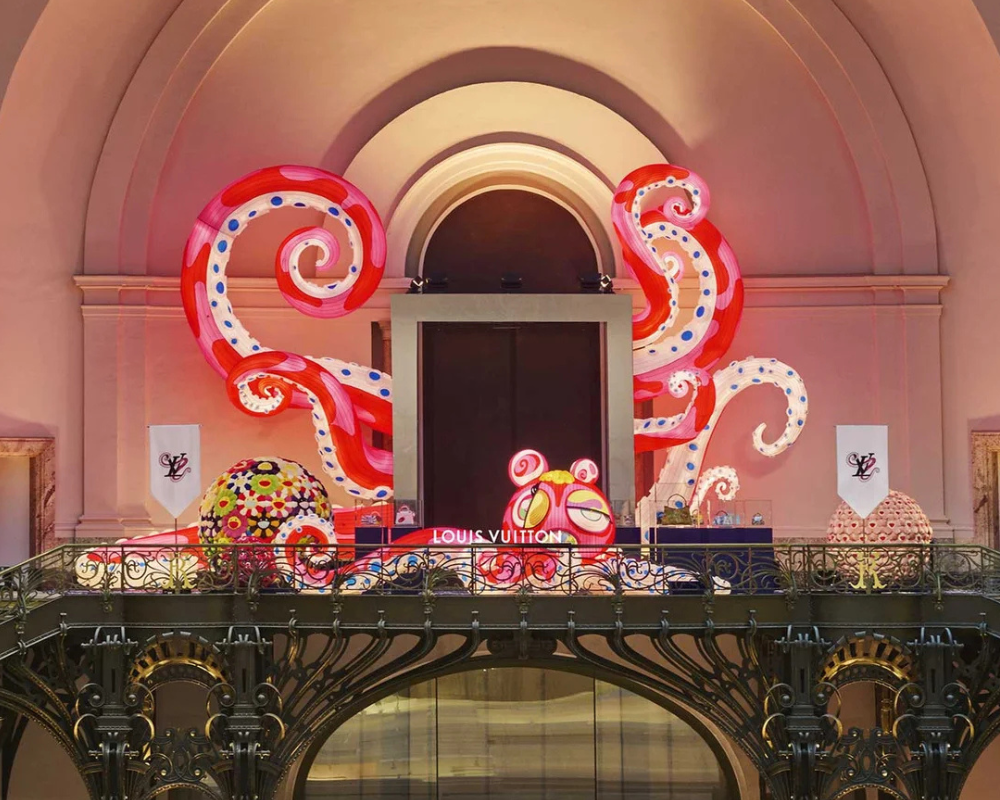
The closure of several major galleries in London, from the legendary Marlborough last year to Almine Rech last week, signals a decisive shift in the post-Brexit art landscape. Once Europe’s undisputed market hub, London is now losing momentum, as more than 16,500 millionaires are expected to leave the UK this year alone, according to the Henley & Partners Wealth Migration Report. They take with them not only capital but confidence, leaving behind a scene in quiet recalibration. Traditional gallery models are being rethought, expansion plans paused, and cost-cutting has become the new mantra less is more.
Art Basel Paris 2025: Your Insider Guide of Must See Events!
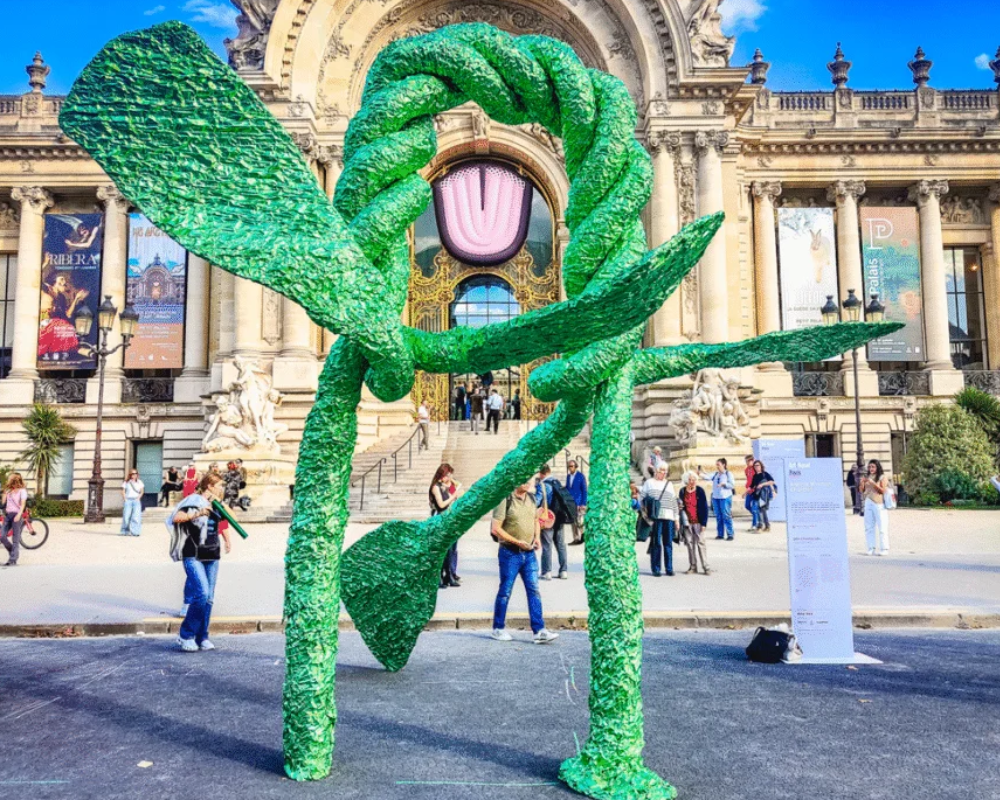
On October 20, 2025, Art Basel Paris will return to the Grand Palais for the second time since its extensive renovation. Bringing together 206 galleries from around the world, the fair reaffirms its status as a premier destination for contemporary art experiences and lifestyle. This year, Brazil once again takes the spotlight with five leading Brazilian galleries participating and a vibrant program of parallel events unfolding across Paris and beyond, all specially mapped for you.
Frieze London 2025: Must-See Events of the UK–Brazil Cultural Season
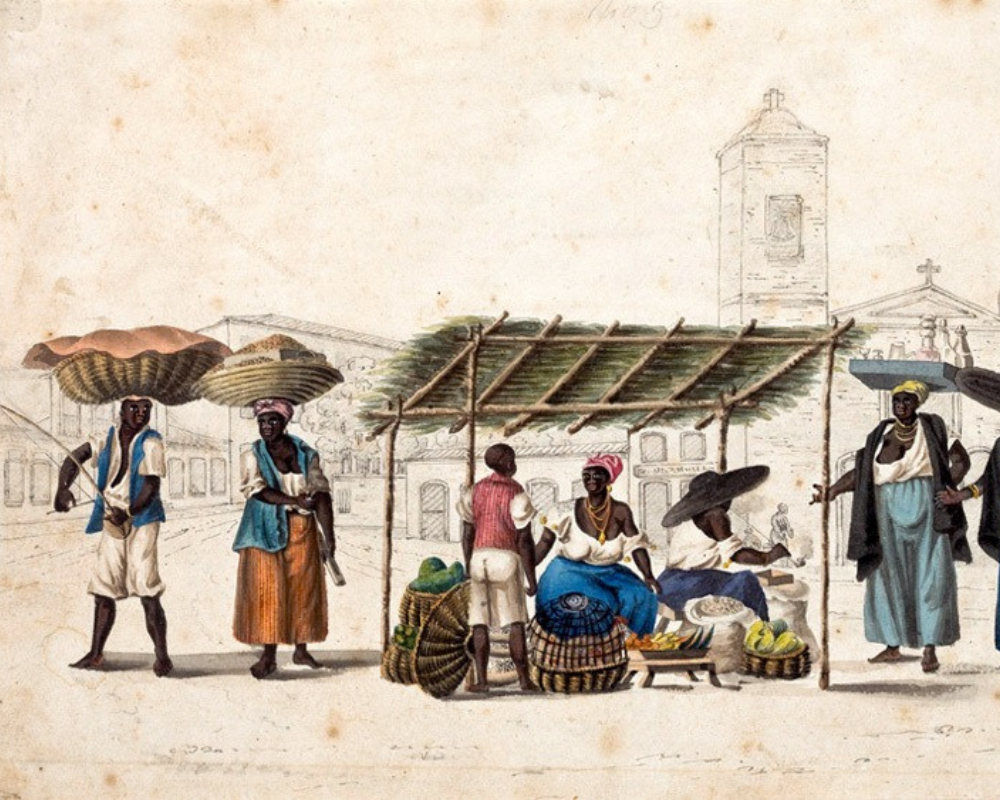
The artistic relationship between Brazil and England stretches back more than two centuries. In the early 19th century, British travelers and artists such as Henry Chamberlain and Charles Landseer captured scenes of Rio de Janeiro, circulating images of the young empire in London through engravings and lithographs. Later, Brazilian artists like Lucia Nogueira would reverse the gaze, choosing London as the stage for their careers, embedding Brazilian perspectives within the fabric of the British contemporary art scene. This layered history of exchange — from colonial-era representations to diasporic voices , provides the backdrop for today’s encounters between the two countries’ cultural spheres.
ArtRio 2025: The Market in Suspense
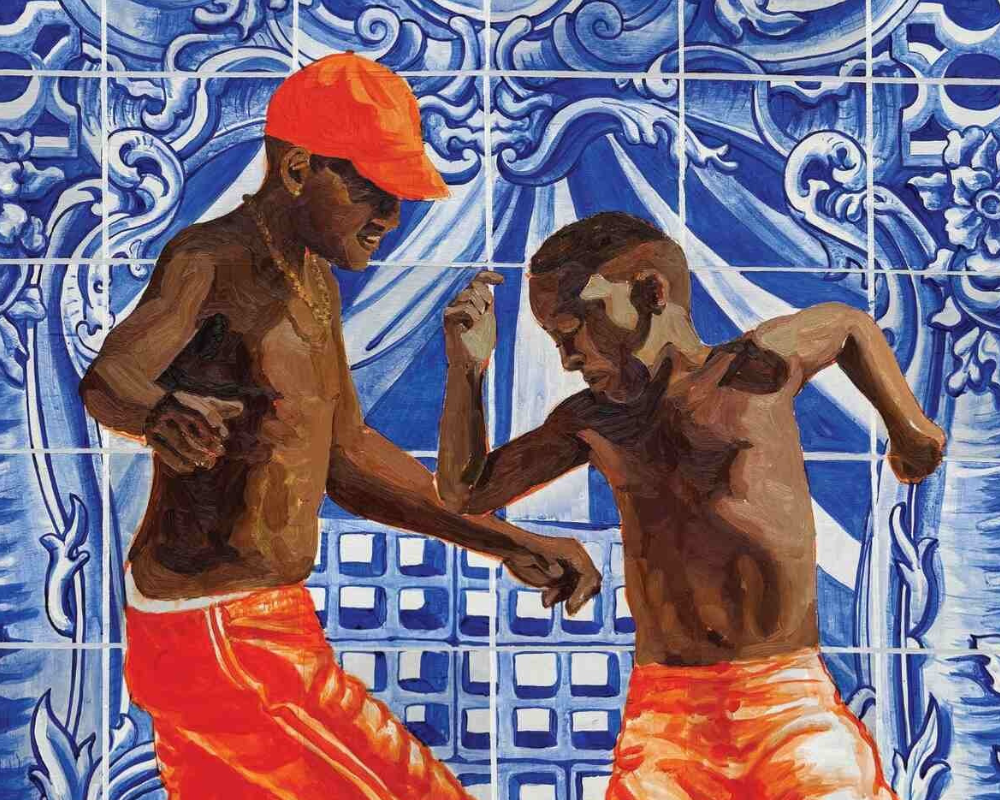
In September, Rio de Janeiro dresses in art,not only in the halls of Marina da Glória but on every corner of the marvelous city. From September 10 to 14, 2025, ArtRio celebrates its 15th edition, a new facet of a story that began in 2011 and now pulses like a vast artistic organism in the heart of the metropolis.
ArtRio 2025: A Snapshot of Brazil’s Contemporary Art
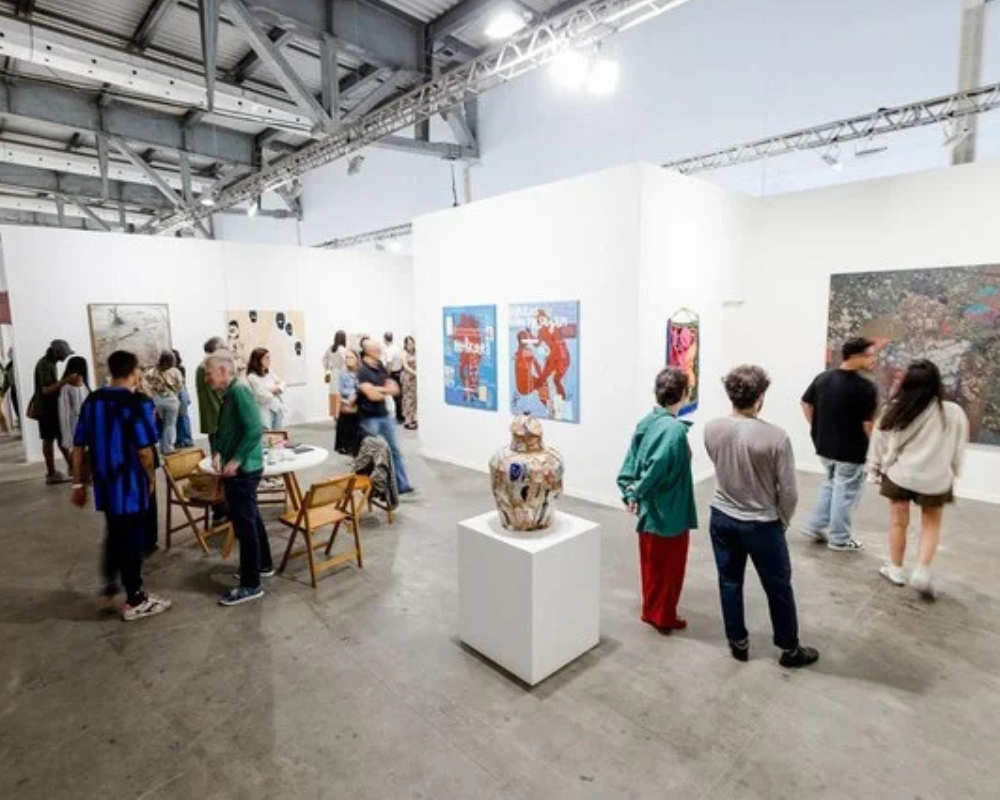
ArtRio has consolidated itself as one of the leading art fairs in Latin America. In 2024, its 14th edition gathered around 90 exhibitors and welcomed over 60,000 visitors, attracting international collectors and curators from museums and private collections. Highlights such as the Contemporary Brazil program and the Sculpture Garden reinforced the relevance of Brazilian production, including Indigenous artists, even amid global economic challenges.
Bombs Fall, But the Art Basel Bubble Shines – 2025
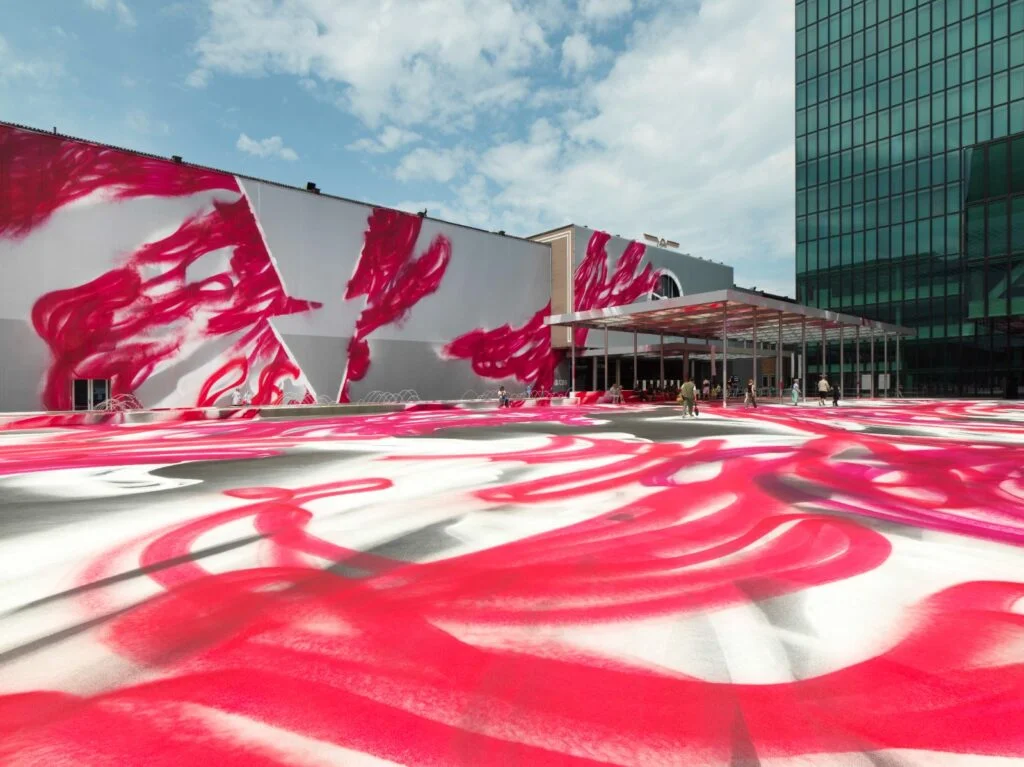
Amid the uncertainties of a shaken world, with the war in Iran quietly reverberating through hallway conversations, Art Basel 2025 opened its doors with a surprisingly buoyant energy. On VIP day, the atmosphere was electric, lively, even playful, as collectors and curators circled each booth with sharpened focus, as if art itself offered a necessary refuge from the chaos beyond.
One shift was impossible to ignore: the notable absence of American buyers. Instead, the fair was dominated by a sophisticated European clientele, discreet collectors, seasoned buyers, and a strong presence of curators from major museums and institutions.