
ARCOmadrid 2026: A Strategic Bridge Between Europe and Latin America
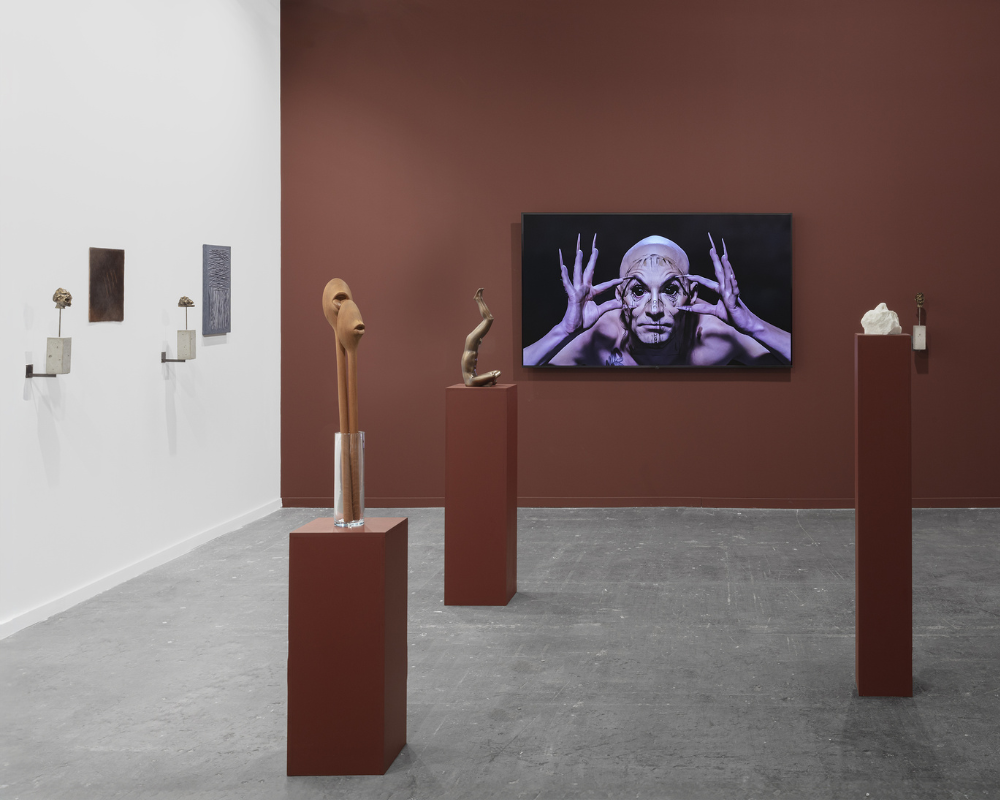
The 45th edition of ARCOmadrid, which opened last Wednesday, once again reaffirmed its position as a key gateway for Latin American artists within the European art market. Approximately one-third of the international galleries participating in this year’s fair originate from Latin America, with 15 Brazilian galleries among the 214 exhibitors from 36 countries representing a significant 7% of total participation.
Brazilian and other foreign galleries benefit from a more favorable tax structure when selling their artists in Spain during ARCO, with a 10% import VAT on artworks, while Spanish galleries face a significantly higher 21% VAT on art sales. This fiscal imbalance can influence the behavior of collectors residing in Spain, including a significant number of Latin American collectors, who may be encouraged to acquire works by foreign artists presented by international galleries connected to their countries of origin, rather than works sold by Spanish galleries. As a result, this dynamic may gradually affect the development of local Spanish collections and the visibility of Latin American artists, including Brazilians.
SP–Arte 2025 Sales Report: Brazilian Art Market Faces the Future with Resilience
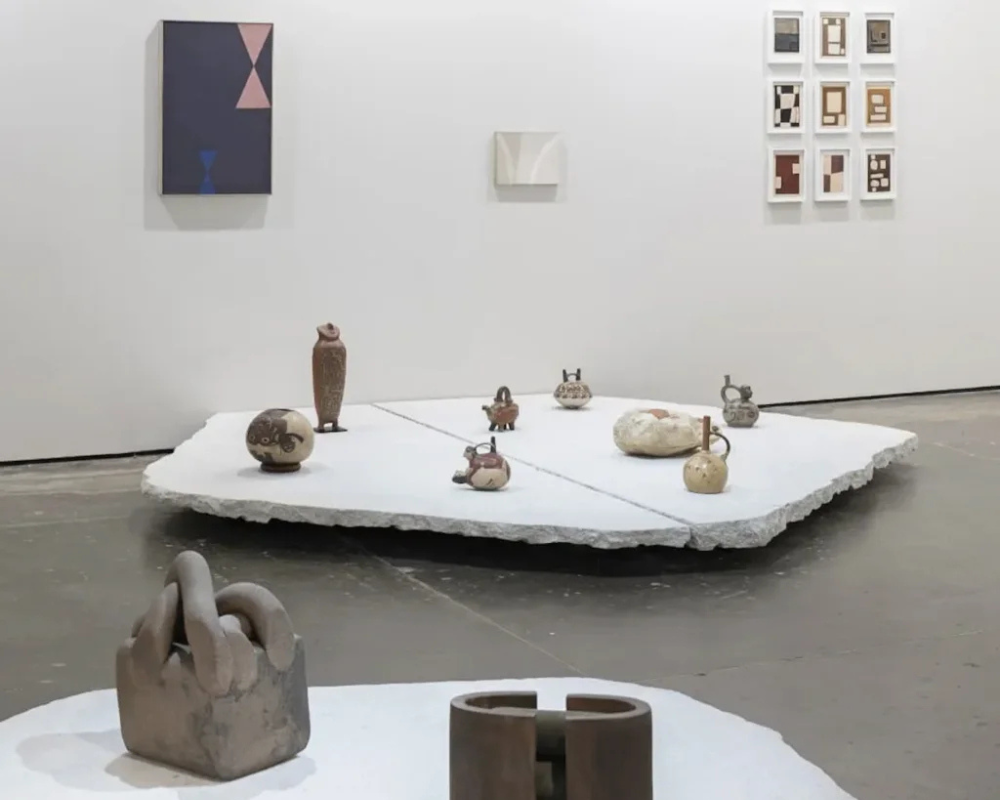
SP–Arte, Latin America’s leading art fair, returned in 2025 for its 21st edition with a more restrained atmosphere, reflecting a cooling global market—but still affirmed its role as a key cultural and commercial hub. Held from April 2 to 6 at the iconic Bienal Pavilion in São Paulo, the fair brought together 200 exhibitors, including 9 new Brazilian art galleries and 16 design studios. While sales were more cautious compared to previous years, SP–Arte reaffirmed its commitment to elevating Brazilian art on the international stage.
This year’s edition welcomed 70 international collectors, museum patrons, and art advisors invited by the organization—demonstrating the fair’s continued strength in building global networks. Twelve international galleries participated, including four newcomers, signaling enduring interest in Latin America’s art scene despite the shifting tides of the market.