
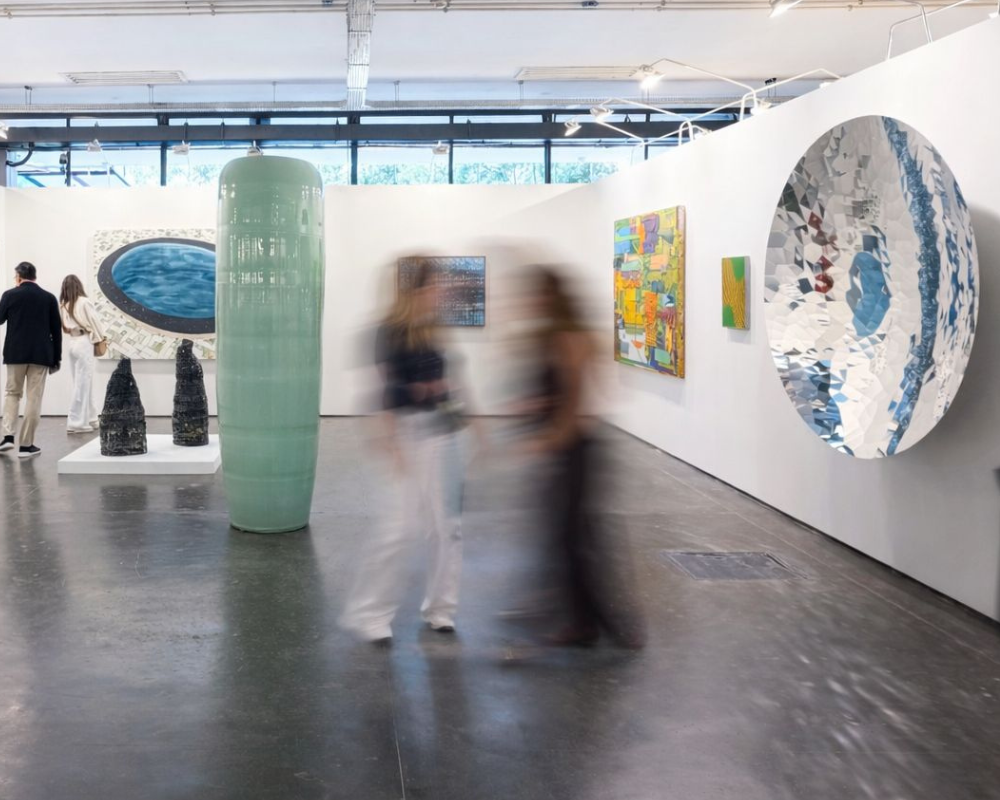
This vitality was also reflected in the audience itself. As noted by the fair’s director and founder Fernanda Feitosa, “An increasingly broad, young, engaged, participatory audience eager for knowledge.” a profile that not only reinforces the fair’s cultural relevance, but also signals a generational shift in how art is being experienced, collected, and discussed in Brazil.
As the fair progressed, a shift in behavior became perceptible: collectors appeared increasingly selective and analytical, with fewer impulsive acquisitions compared to the previous edition. This evolution suggests a more considered approach, reflecting broader structural changes in the market. We noticed a more mature edition, with more precise presentations, less excess, and more curatorial intent in many of the booths.
Notably, the fair attracted a substantial number of international collectors, museum professionals, and curators, underscoring São Paulo’s growing role as a key node in the global art ecosystem. Their perspectives and recommendations, gathered on-site, offer valuable insights into how Brazilian art is being perceived and engaged with today, and can be found at the end of this article.
Among them were leading figures such as Mari Carmen Ramírez (Chief Curator, MFAH, Houston), alongside a group of 15 patrons from the museum’s Latin American Committee; Jennifer Inacio (Curator, Pérez Art Museum Miami); Brinda Kumar (Associate Curator of Modern and Contemporary Art, The Met); Robert Braun (Director, MOLAA); Vivian Guimarães (Latin America Acquisition Committee, Tate); Alfonso Castor (Curator, Museo Tamayo & Patronato de Arte Contemporáneo); Ross Karlan (Independent Curator); Maria Bukhtoyarova (Tate International Council); Teresa de Arruda (Independent Curator, Germany); Javier and Lorena Lumbrera (Directors, Collegium, Spain); Jareh Das (Curator and Art Critic); and Autrianna Ward (Curator, SFMOMA).
I. Secondary Market Galeries
Danielian
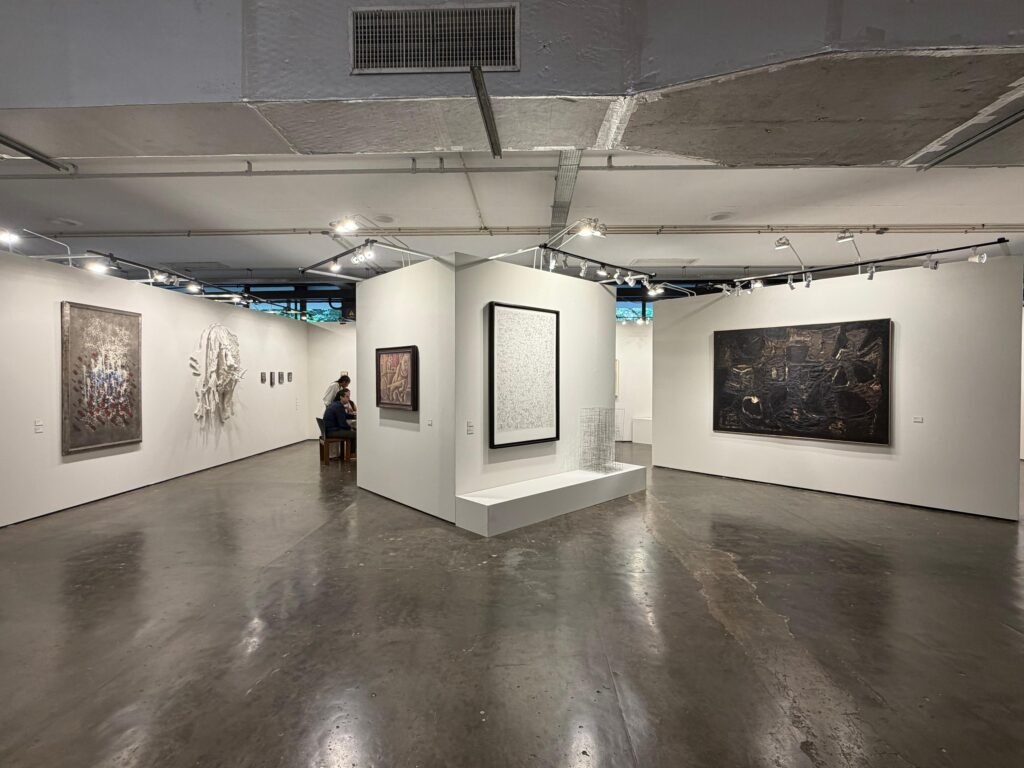
Highlights include the sale of a 1940s painting by Cícero Dias and works by Lygia Pape, alongside primary market placements by Alvaro Seixas, two works by Ottavia Delfanti and one work by Ana Neves, reflecting a dynamic engagement across generations.
While canonical figures such as Antonio Bandeira, Milton Dacosta and Glauco Rodrigues remain structurally embedded within institutional narratives, emerging voices like Ana Neves and Alvaro Seixas continue to build visibility primarily through galleries operating in the secondary market during art fairs. This dynamic highlights a persistent gap between institutional validation and primary market development in Brazil, where sales tend to confirm a stronger agility and demand for more accessible contemporary works.
Pinakotheke
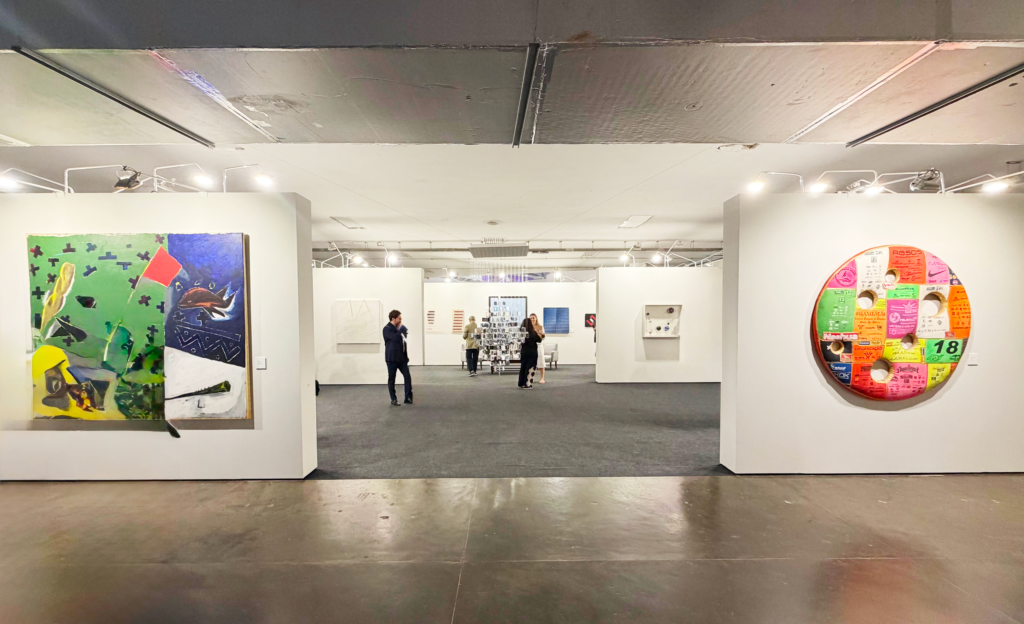
The Pinakotheke opened SP–Arte with an early sale during the preview, placing a work by Djanira da Motta e Silva even before the official start of the fair, signaling strong initial demand. The gallery also highlights Double Virtual n°1, 1996 by Jesús Rafael Soto, currently under negotiation with an asking price of R$2.5M, reflecting sustained interest in major works of Latin American kinetic art.
The booth brings together a selection of works spanning key moments in Brazilian modern art, emphasizing pieces of both historical and technical significance. The presentation offers a direct dialogue with artists who have shaped the country’s visual language, reinforcing the gallery’s focus on museum-quality works and established trajectories.
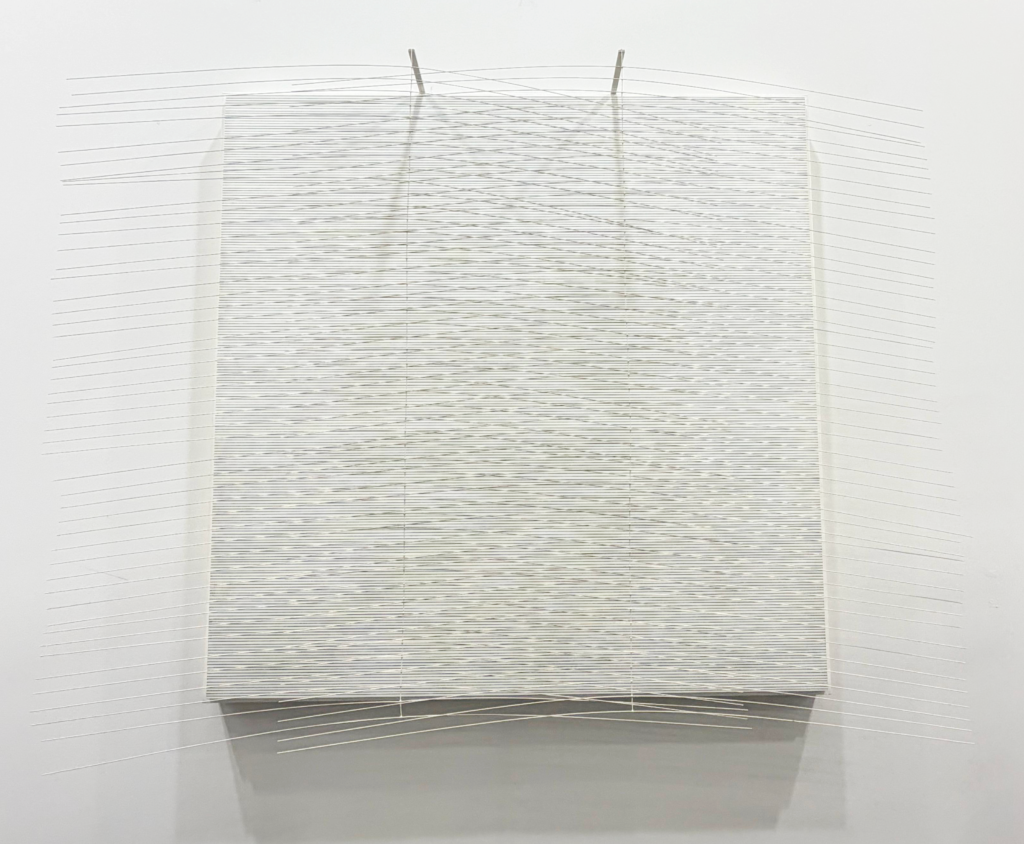
Jesús Rafael Soto
Double virtual n°1, 1996
Painted wood and metal wires
102 x 108 x 26 cm
Marco Zero
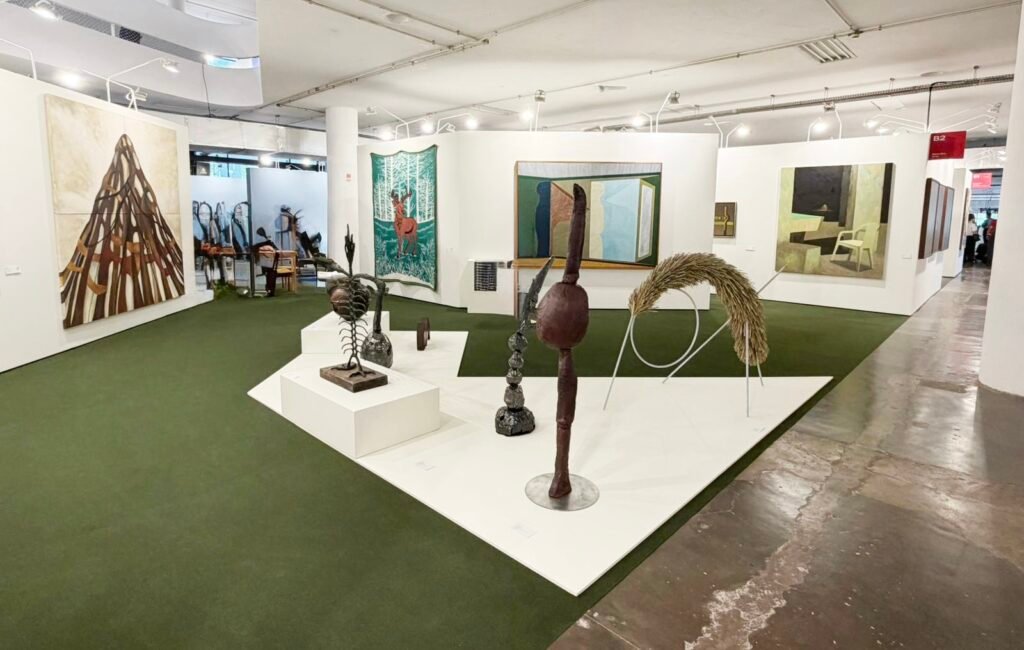
Conceived around the studio as a space of alchemy, embracing the unpredictable and transformative nature of artistic creation, the booth brings together over 30 artists across generations. Among the highlights is a sculpture by Willys de Castro, Pluriobjeto, 1980–1989, presented at $220.000, exemplifying the artist’s radical expansion of painting into space. A central figure of Neoconcretism, Willys de Castro developed the Pluriobjeto as a way to dissolve boundaries between painting and object. His work has been the subject of renewed institutional attention, notably in the exhibition Willys de Castro: Pluriobjetos at the Pinacoteca de São Paulo (2019), as well as in historical surveys such as Construção e Intuição: Geometria no Brasil at the Museu de Arte Moderna do Rio de Janeiro (2022), reinforcing his central role in the development of Brazilian geometric abstraction.
Opening with strong sales, the booth reports the placement of a work by Tomie Ohtake for approximately R$400.000, alongside a complete sell-out of three works by Rayana Rayo for R$30.000, the artist will be performing a solo show in June at the former headquarters of the Millan gallery, now Almeida & Dale.
Additional sales include a painting by Marlene Almeida for R$100.000, a painting by Francisco Brennand for R$150.000, two works by Bozó Bacamarte at R$20.000 each, a work by Montez Magno for R$200.000, a work by Chacha Barja for R$20.000, and a work by Antonio Dias for R$600.000, reflecting a dynamic engagement across different generations and collector profiles.
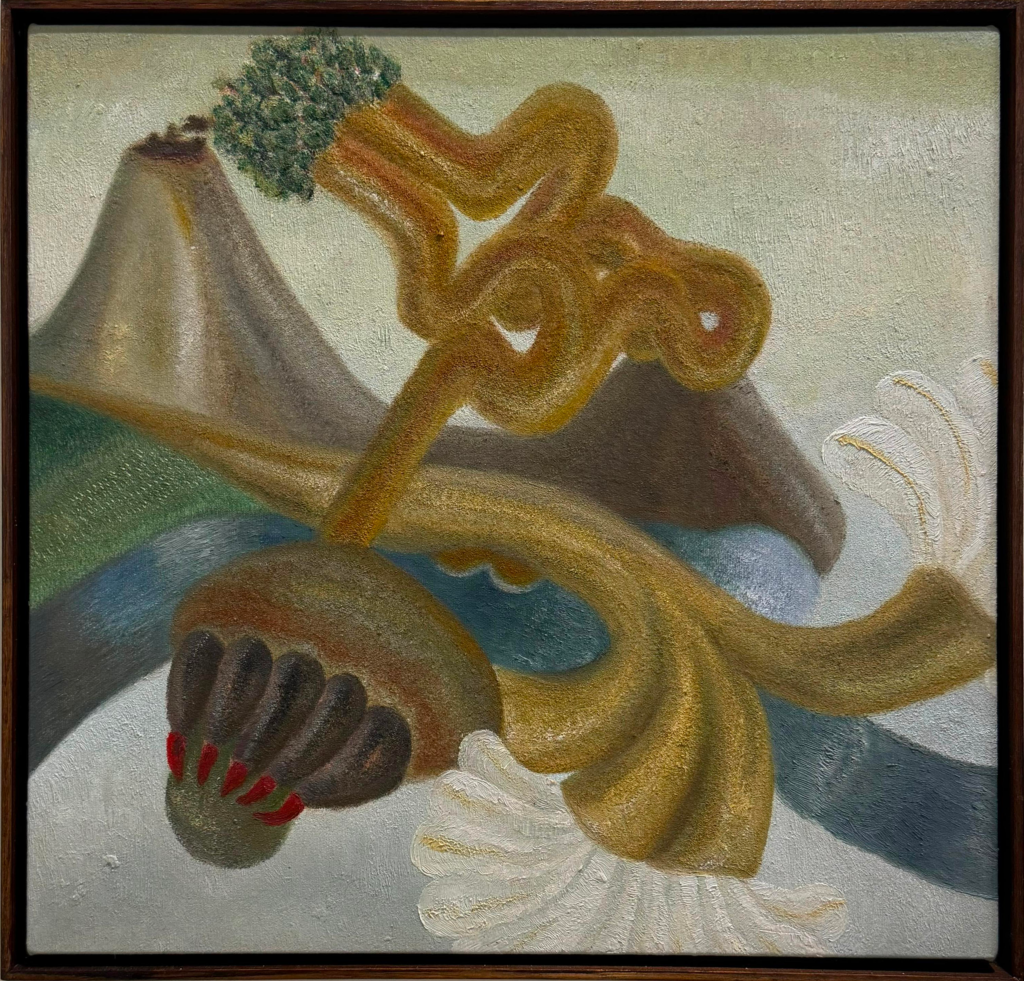
Rayana Rayo
Desço as ladeiras e me jogo no mar, 2026
Oil on canvas
49 x 49 cm
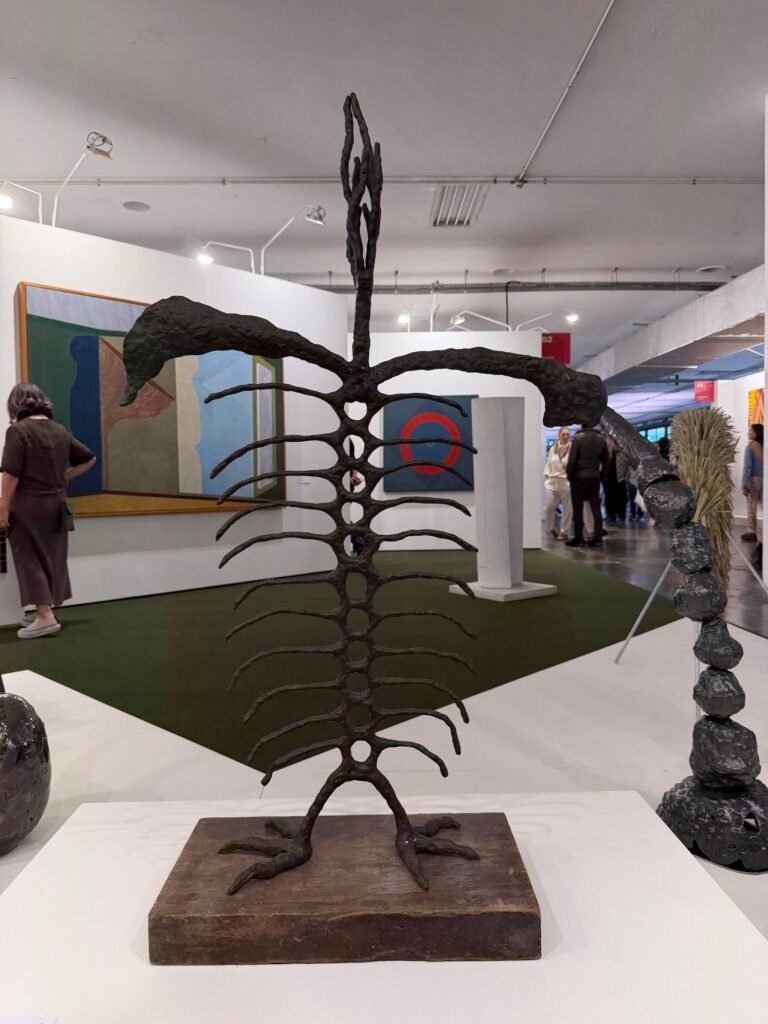
Almeida & Dale
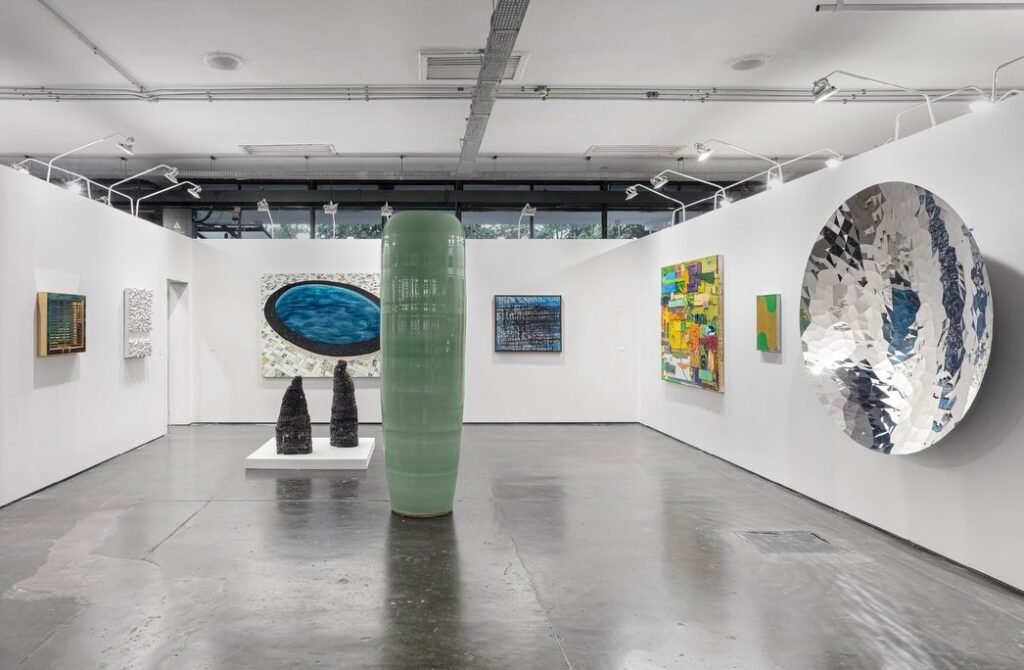
The Almeida & Dale foregrounds a major landscape by Tarsila do Amaral, presented with an asking price of $20M, alongside a mobile by Alexander Calder with an asking price of $3.8M, two key works that anchor the booth at the highest end of the market and reaffirm the enduring demand for blue-chip modern masters.
The gallery reports the sale of a significant anthropophagic work on paper by Tarsila do Amaral, alongside works by Alfredo Volpi, León Ferrari and Victor Brecheret.
Further sales span both modern and contemporary segments, including works by Maxwell Alexandre, Thiago Rocha Pitta, Túlio Pinto, Wanderlei Lopes, Adriana Varejão, Montez Magno, Lydia Lisboa, Rubem Valentim, Miriam Inês da Silva and Henrique Oliveira, reflecting a broad absorption across the gallery’s program. Anish Kapoor remains under negotiation.
Maxwell Alexandre, who also opens his first solo exhibition with the gallery, Pintor preto, figuração branca, on April 11. Overall, the gallery reports strong placements across its contemporary program, with most artists in both booths successfully absorbed by the market, while reception for higher-value works proved more measured, reflecting a selective approach from collectors at the top end.
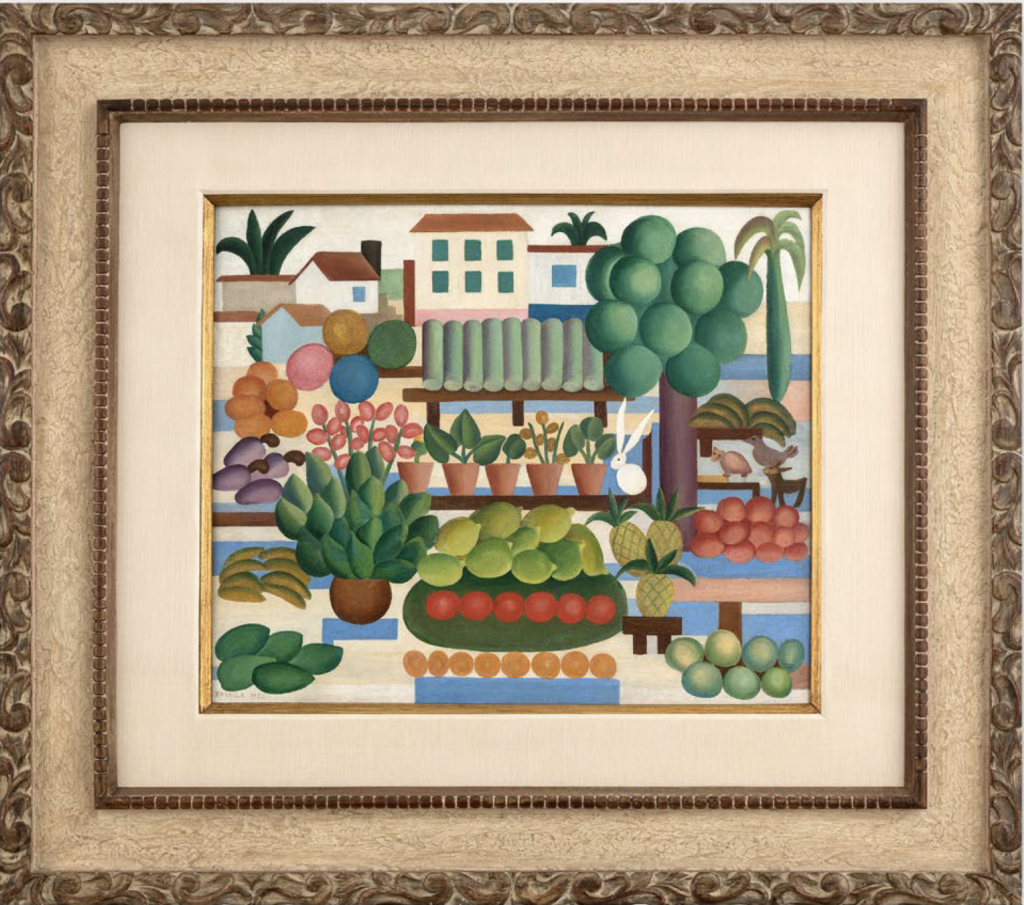
Tarsila do Amaral
A feira II, 1925
Oil on canvas 4
5.3 x 54.5 cm
Asking Price: $20.000.000
Gomide & Co
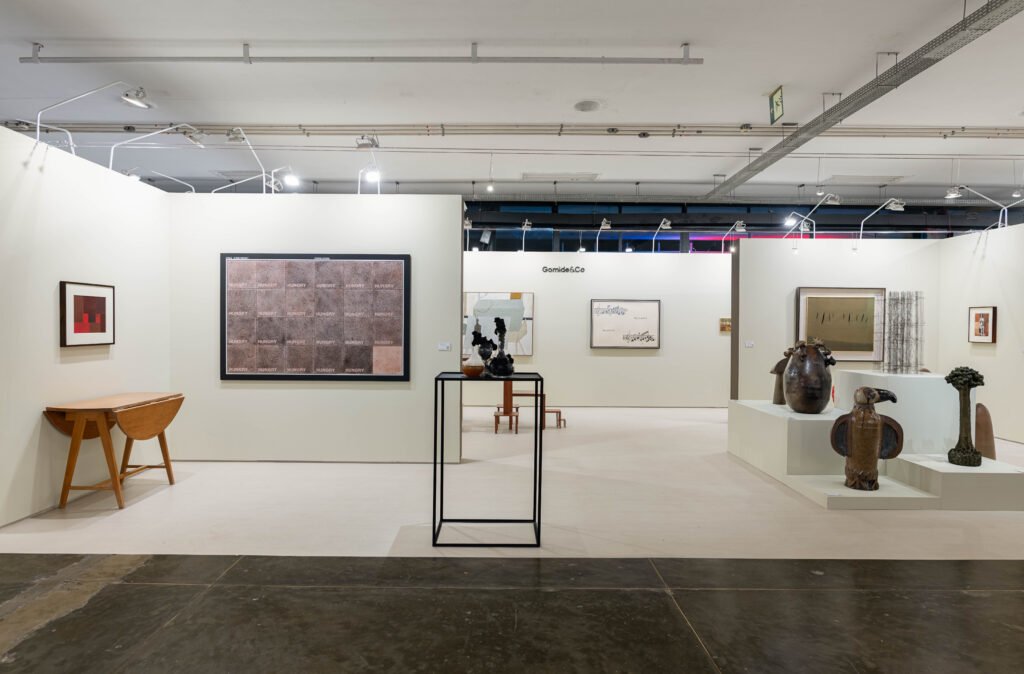
With strong sales during the fair Gomide&Co reports multiple high-value transactions, including works by Amadeo Luciano Lorenzato around $160.000, as well as significant placements of Mira Schendel, Hélio Oiticica for $200.000 and León Ferrari, reaching figures close to or above R$1M. The gallery also sold multiple works by Maria Lira Marques available for $130.000 and other key artists, confirming sustained demand across both modern and contemporary segments, with several additional works currently under negotiation.
The booth reflects a strategic shift toward a stronger focus on the gallery’s own program, articulating a dialogue between primary and secondary market practices. By actively acquiring, exhibiting, and repositioning historical artists, the gallery consolidates greater control over their market trajectories while maintaining a high level of quality. This approach results in a cohesive presentation that bridges generations and reinforces Gomide&Co’s positioning within both the Brazilian and international art markets.
Paulo Darzé
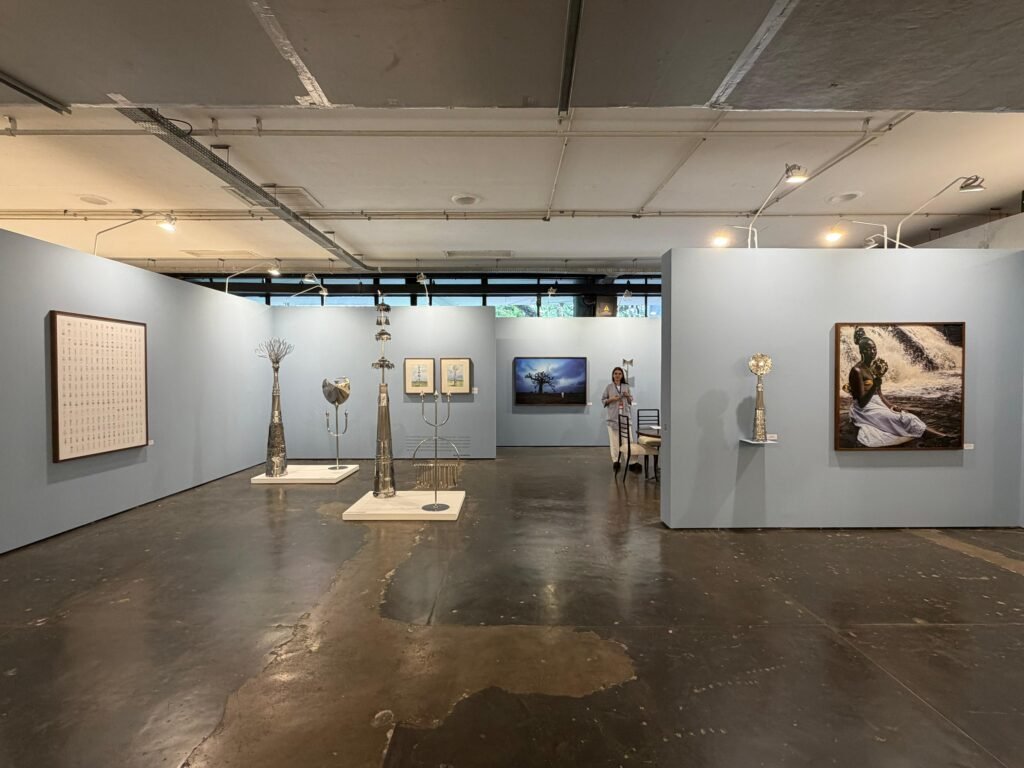
The Paulo Darzé Galeria reports the sale of five sculptures by Ayrson Heráclito, including three small-scale works, one medium, and one large-format piece, placed across collections in São Paulo, Rio de Janeiro, Recife, and Bahia. Price points range around R$160.000 for smaller sculptures, R$210.000 for medium-scale works, and R$260.000 for larger pieces, reflecting a consistent demand within the Brazilian collector base, while additional works remain under negotiation.
The booth presents a solo project dedicated to Ayrson Heráclito, in dialogue with artists whose practices engage with the orixás and have shaped his vision, such as Mestre Didi, Rubem Valentim, and Abdias Nascimento. The presentation also marks his participation in the Venice Biennale 2026, a significant milestone in his trajectory.
More than 20 works have been loaned to the Biennale, including sculptures and drawings centered on Afro-Brazilian cosmologies and ritual systems. This reinforces both his expanding international presence and the growing institutional recognition of his practice.
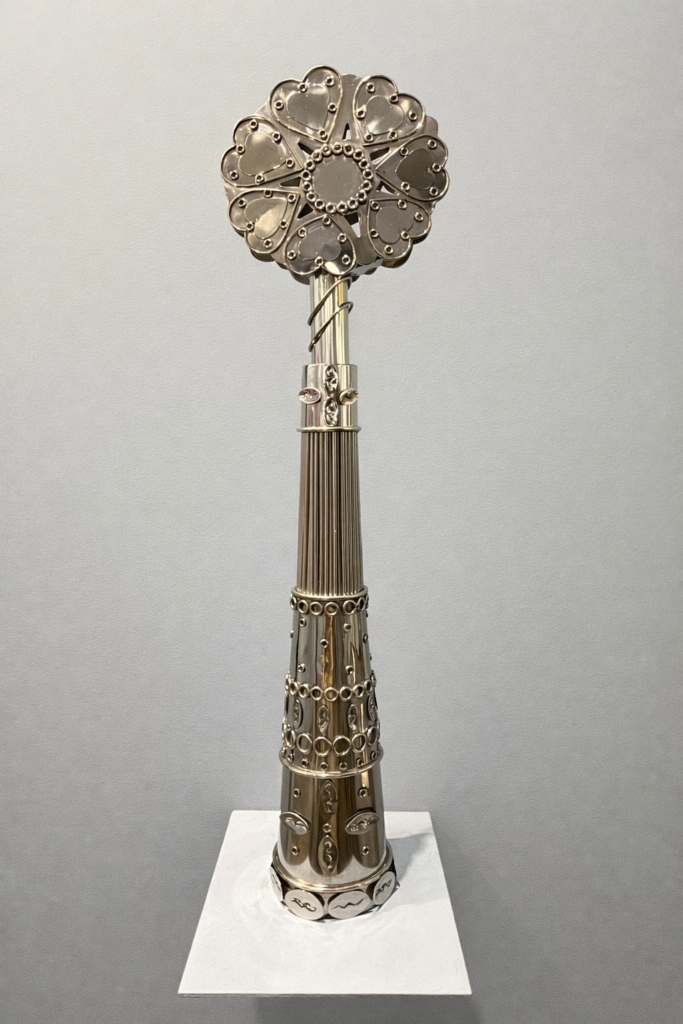
Juntó – abebė com xaxarė, 2023
Sculpture in stainless steel
64 x 12 cm
Súr
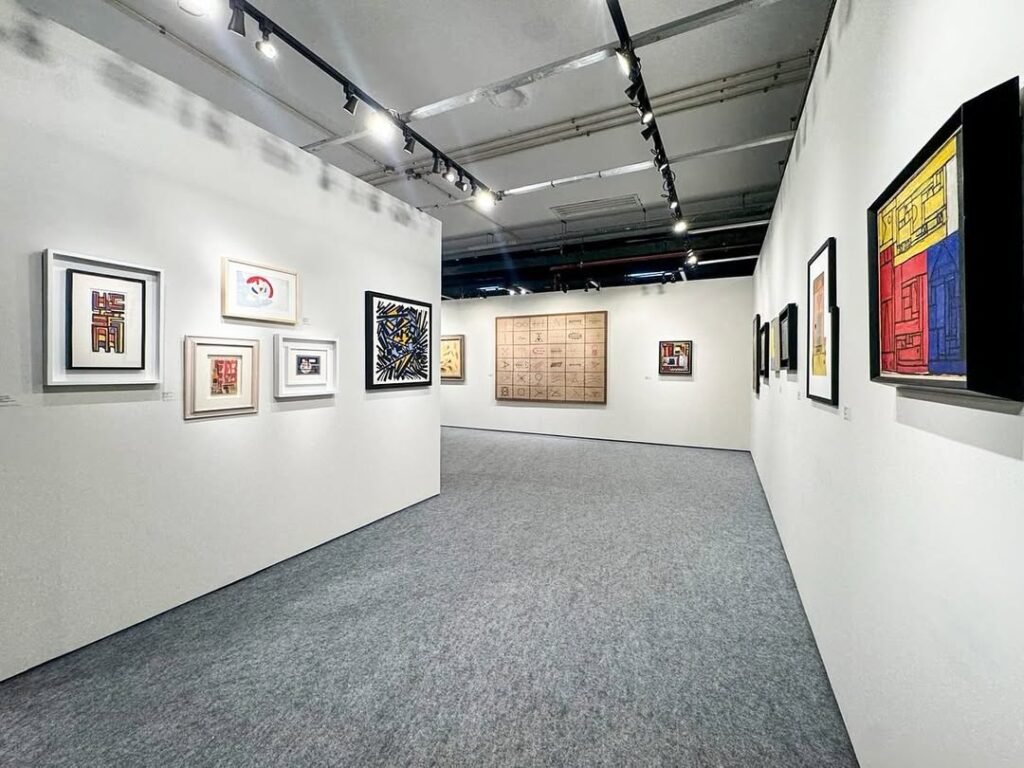
The Galería Sur presents a refined selection of Latin American masters alongside key modern and contemporary artists, articulating a transhistorical dialogue across the region. The booth brings together figures such as Joaquín Torres García, Armando Reverón, and Pedro Figari, whose practices remain foundational to the construction of Latin American modernism, alongside contemporary artists such as Sheroanawe Hakihiiwe.
The gallery reports an overall positive edition, with early sales during the preview, including major works by Torres García and María Freire acquired by U.S. collectors, as well as continued strong interest from both Brazilian and international audiences, particularly American collectors.
Particular attention is given to Sheroanawe Hakihiiwe, a Yanomami artist whose work draws from traditional body painting systems, in which each graphic element carries specific meanings linked to rituals, social states, and cosmological narratives, ranging from mourning to celebration or warfare. His practice, already present in major international collections such as the Museum of Modern Art and the Museo de Arte Latinoamericano de Buenos Aires, reflects a growing institutional recognition of Indigenous knowledge systems as central to contemporary art discourse.
Together, the selection traces a continuum between geometric abstraction, symbolic figuration, and Indigenous cosmologies, reinforcing the diversity and evolving narratives of Latin American art across generations.
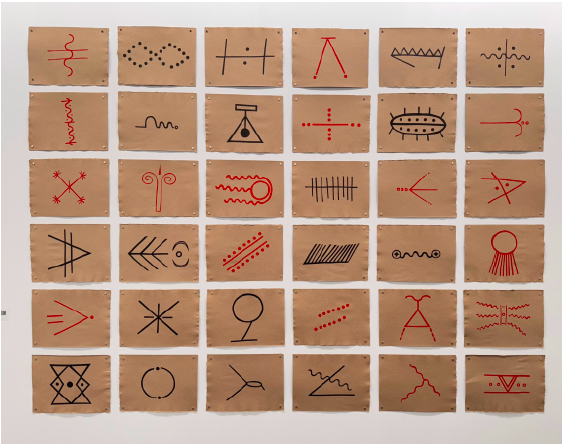
Sheroanawe Hakihiiwe
Mi oni (Pintas de cara), 2023
Tinta sobre papel.
Políptico de 36 piezas
170 x 200 cm
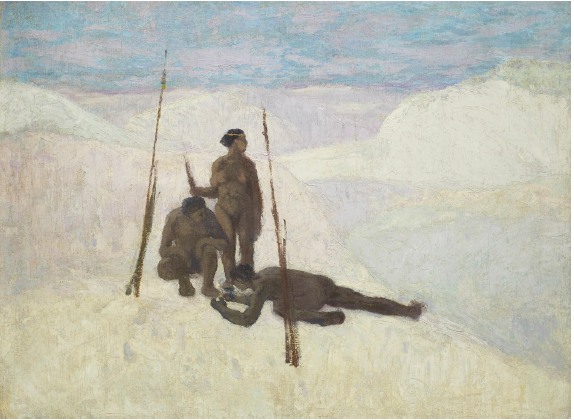
Pedro Figari
Indios, c. 1918
Oil on canvas
65 x 101 cm
MaPa
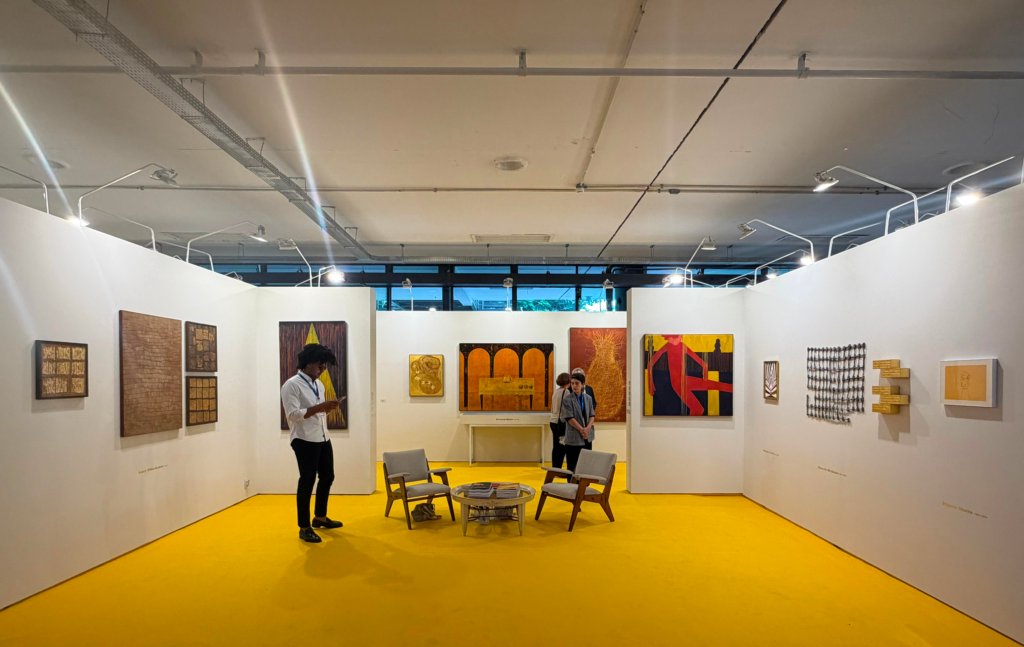
The gallery, operating primarily in the primary market and representing artists from the 1950s to the 1980s, including managing family estates while many of the artists are still alive, presents Tudo Que Reluz, structured around the idea of gold as both material and symbol. The booth explores how gold has been historically mobilized in art, not only as a signifier of wealth and power, but as a medium of transcendence, spirituality, and permanence. This concept is spatially anchored by Nature morte by Bernard Bouts, associated with the Galeria Wilhelm d’Einstein in the mid-20th century, around which the booth was conceived. The artist will have a solo project presented by the gallery during the next edition of Frieze Master in London. Within this framework, the gallery brings together artists such as Boi Cezar Ferreira, Chico da Silva, Marcelo Reginato, Eva Soban, Flávio Motta, Habuba Farah and Sepp Baendereck, articulating a dialogue across generations and reinforcing the depth and diversity of Brazilian art history.
With works sold ranging from R$10.000 to R$150.000, the Galeria MaPa confirms a solid commercial response. Additional sales include a work by Chico da Silva from 1967 for approximately R$200.000 to a Brazilian collector as well as Bernard Bouts Nature morte placed for around R$120.000 with an American collector based in Brazil, reflecting both local and international demand.
Particular attention was drawn to Lucy Villa-Lobos, whose work captivated collectors for its freedom from rigid artistic frameworks and its highly personal visual language. Her transversal career, spanning geographies such as Africa, China, and Eastern Europe, has shaped a unique practice that moves fluidly between modernist figuration and textile-based abstraction, generating strong curiosity and engagement at the fair.
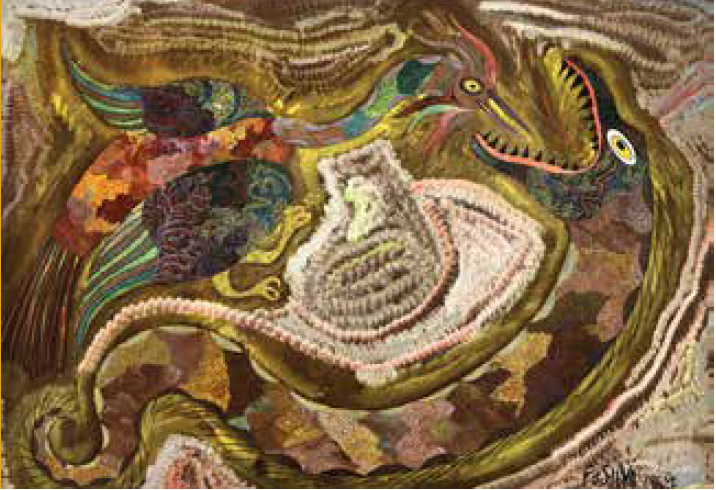
Chico da Silva
Untitled, 1967
Gouache on paper mounted on hardboard
55 x 76 cm
Sold: R$200.000
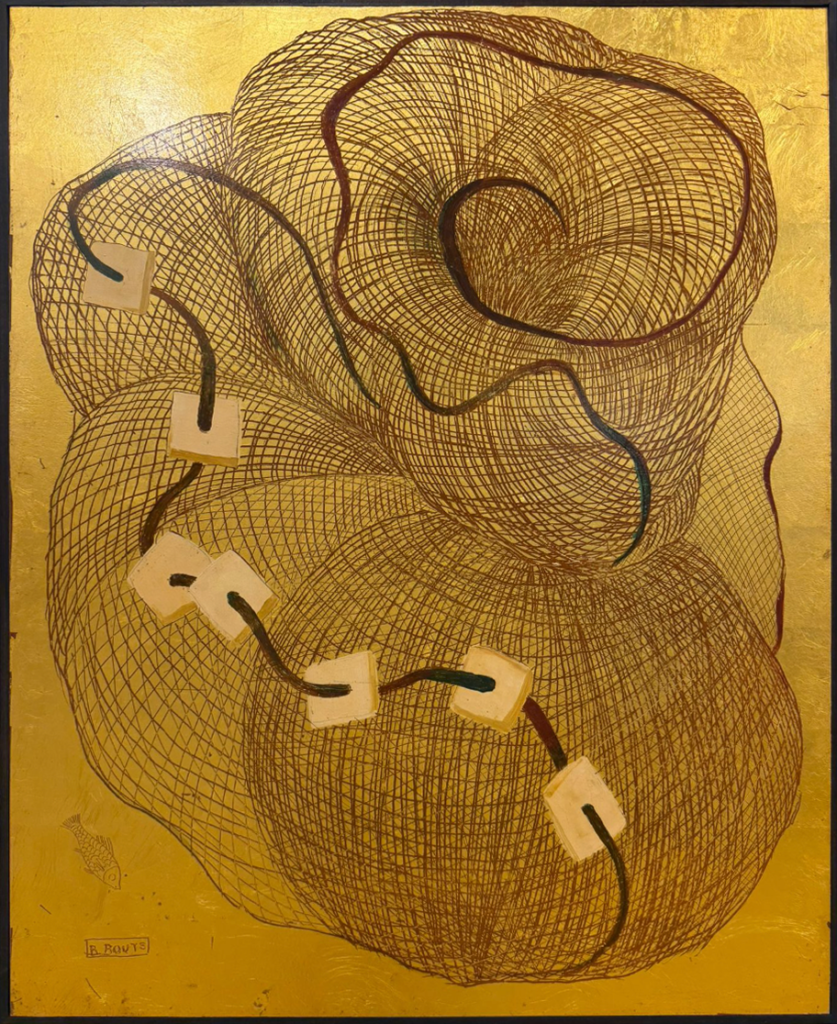
Bernard Bouts
Nature morte, n.d
Oil and gold leaf on eucatex
75 x 61 cm
Sold: R$120.000
Rafael Moraes
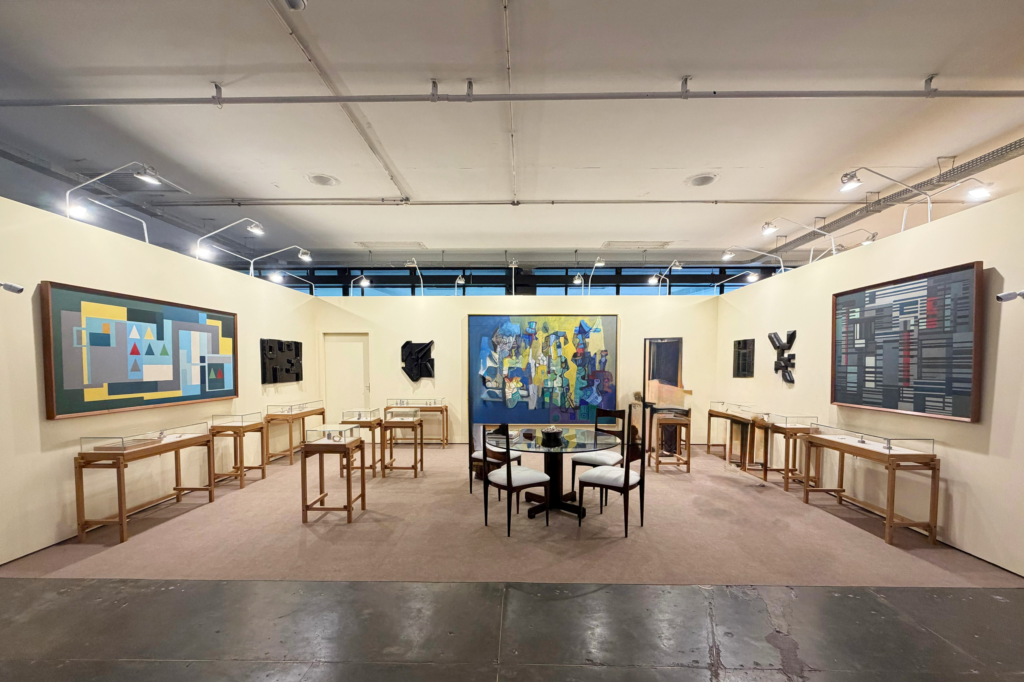
The booth by Rafael Moraes presents a dialogue between two fundamental figures of Brazilian art who explored jewelry as an extension of their practice: Liuba Wolf and Roberto Burle Marx. Through their works, jewelry emerges not merely as adornment but as a sculptural and conceptual field, bridging art, design, and material experimentation. Notably, Liuba Wolf’s pieces, primarily brooches and pendants, were originally conceived as editions but were never formally produced as such; today, they remain rare and largely unique works, preserved through the artist’s estate.
This dialogue is further reinforced through Burle Marx’s creations, including jewelry designed by the artist and executed by his brother Haroldo using Brazilian stones, alongside sculptures and paintings that expand this exchange across media. The presentation has generated strong engagement from both Brazilian and international audiences, with sales to European and North American collectors and growing institutional interest, reflecting an increasing global recognition of Burle Marx’s practice with upcoming exhibitions at the Paul Klee Center in Bern and at the Fundación Juan March in Madrid, the latter dedicated in part to his jewelry production.
Flexa
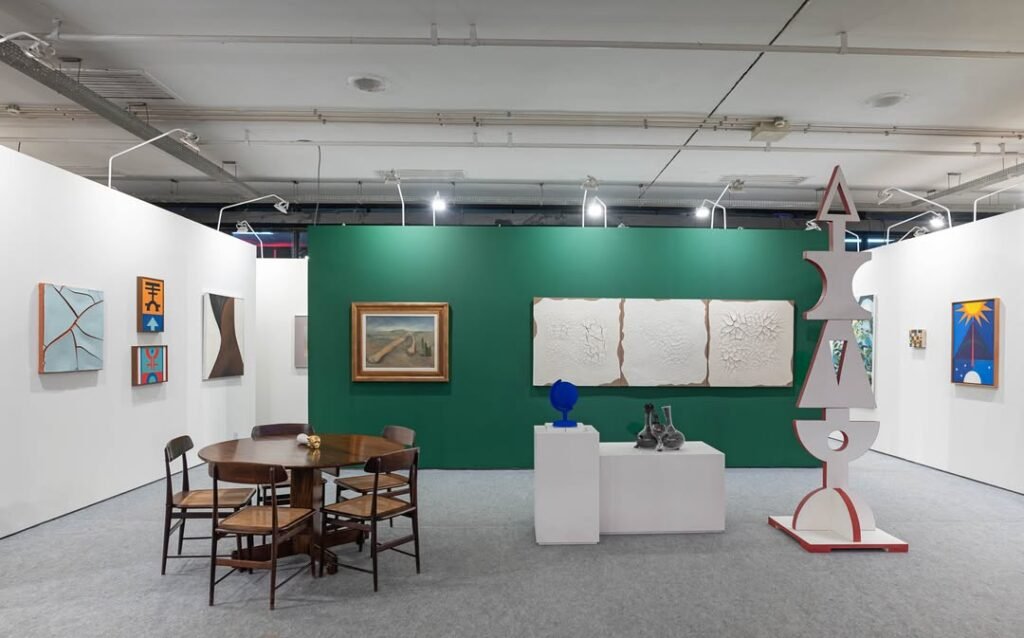
The Flexa reports strong sales, including works by Alfredo Volpi, two works by Tomie Ohtake, two by Adriana Varejão, as well as works by Abraham Palatnik, Ascânio MMM and Lygia Pape, among others, confirming sustained demand for both modern and contemporary masters.
A particular highlight is Tarsila do Amaral’s Terra, presented with an estimated value of R$19M, reinforcing both the historical significance and the continued strength of Brazilian modernism at the highest market level.
The gallery presents a curated selection that brings together key figures across modern and contemporary art, including Lucio Fontana, Yves Klein and Louise Bourgeois. The presentation reflects the gallery’s rigorous program, grounded in the plurality of approaches and in the strength of dialogues across historical periods and geographies.
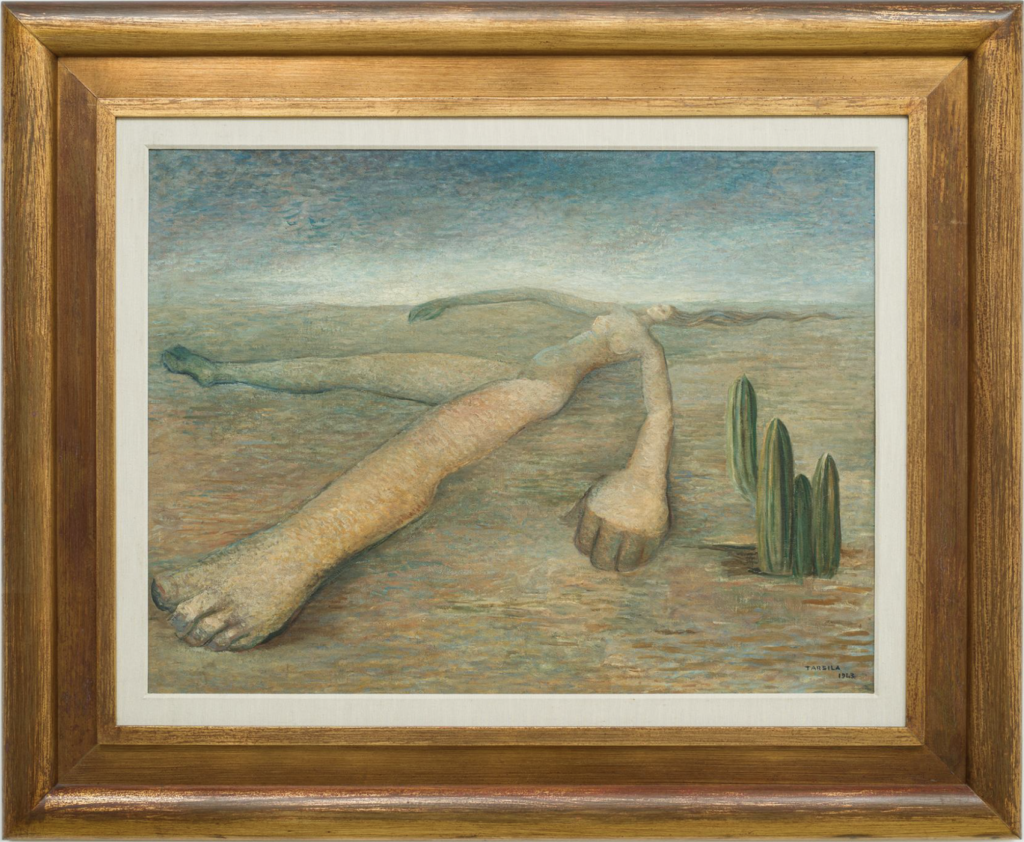
Tarsila do Amaral
Terra, 1943
Oil on canvas
61 x 80.2 cm
Asking Price: R$19M
Frente
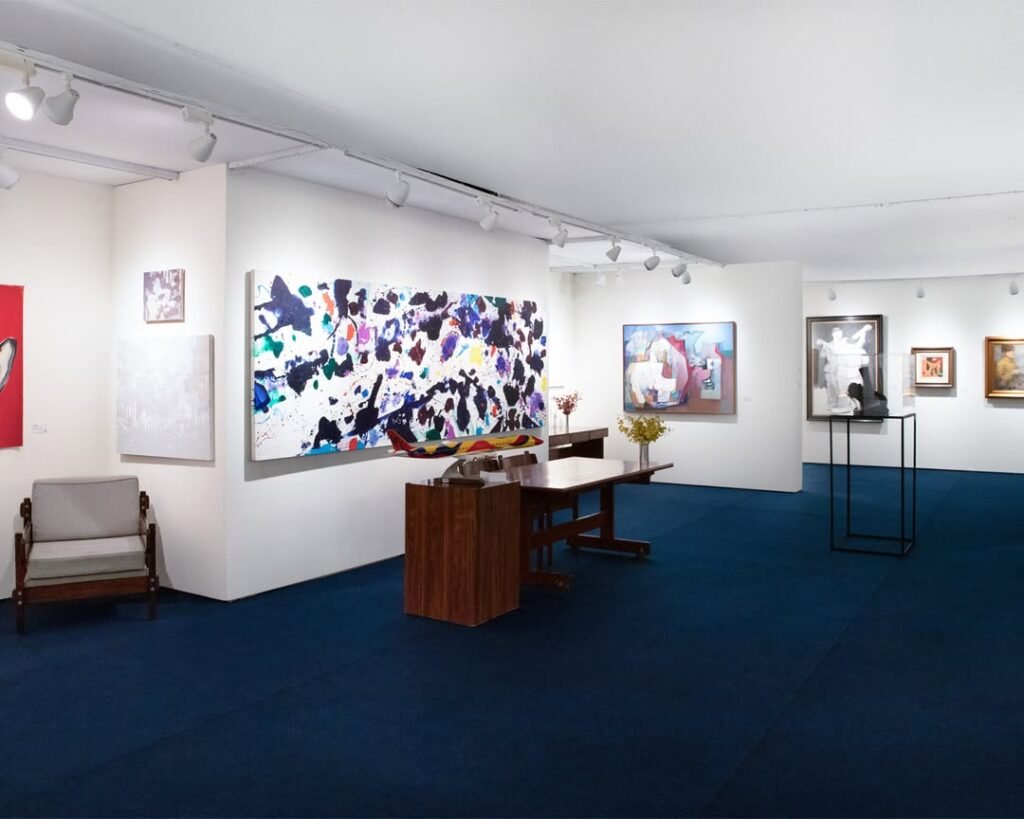
The gallery participates with a project that articulates history, market, and research, proposing a dialogue between artists such as Mira Schendel, Di Cavalcanti, and Eliseu Visconti. Within this framework, the presence of a monumental Sam Francis, priced at over $1.2M, foregrounds color as an autonomous phenomenon.
The presentation is further anchored by an exclusive space dedicated to the work of Amadeo Luciano Lorenzato, with three paintings sold in the range of R$600.000 to R$1M, extending a dialogue with the artist’s current exhibition at the gallery. The sale of a textile panel by Roberto Burle Marx further confirms sustained demand for key figures of Brazilian modernism.
II. Contemporary Art Galleries
Galatea
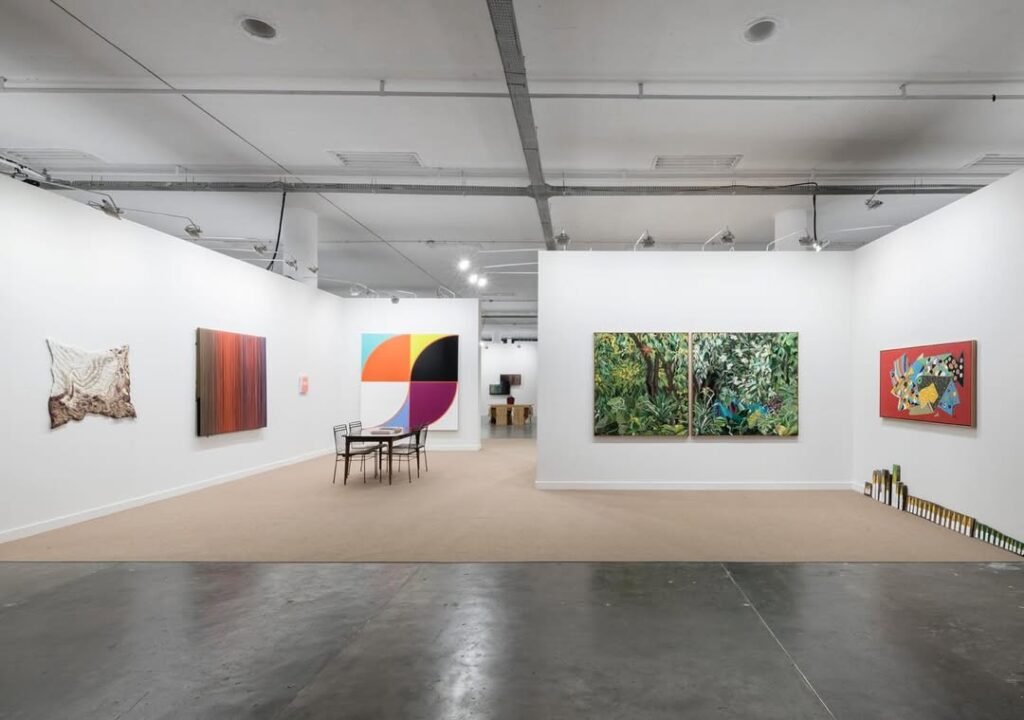
Reporting the sale of 27 works and an approximate total of R$4.4M, the Galatea confirms a strong commercial performance, with highlights including artists such as Rubem Valentim and Ivan Serpa. The gallery presents a curatorial proposal that brings together artists from its program alongside key figures of Brazilian modern and contemporary art, as well as practices developed outside the traditional canon. The display unfolds through distinct nuclei, notably Pop Art Brasileira: uma política de contrastes, dedicated to works from the 1960s and 1970s, where formal experimentation intersects with political and cultural tensions.
Particular attention is given to Paulo Roberto Leal and Allan Weber. Leal’s work is currently the subject of the exhibition Maleabilidades construtivas (March 28 – May 9, 2026) at Galatea (Padre João Manuel), reaffirming his role within the expansion of constructive practices in Brazil. Meanwhile, Allan Weber presents Existe uma vida inteira que tu não conhece at the Instituto Tomie Ohtake in 2026, consolidating his growing institutional presence and engagement with urban narratives and social memory.
Fortes D'Aiola & Gabriel
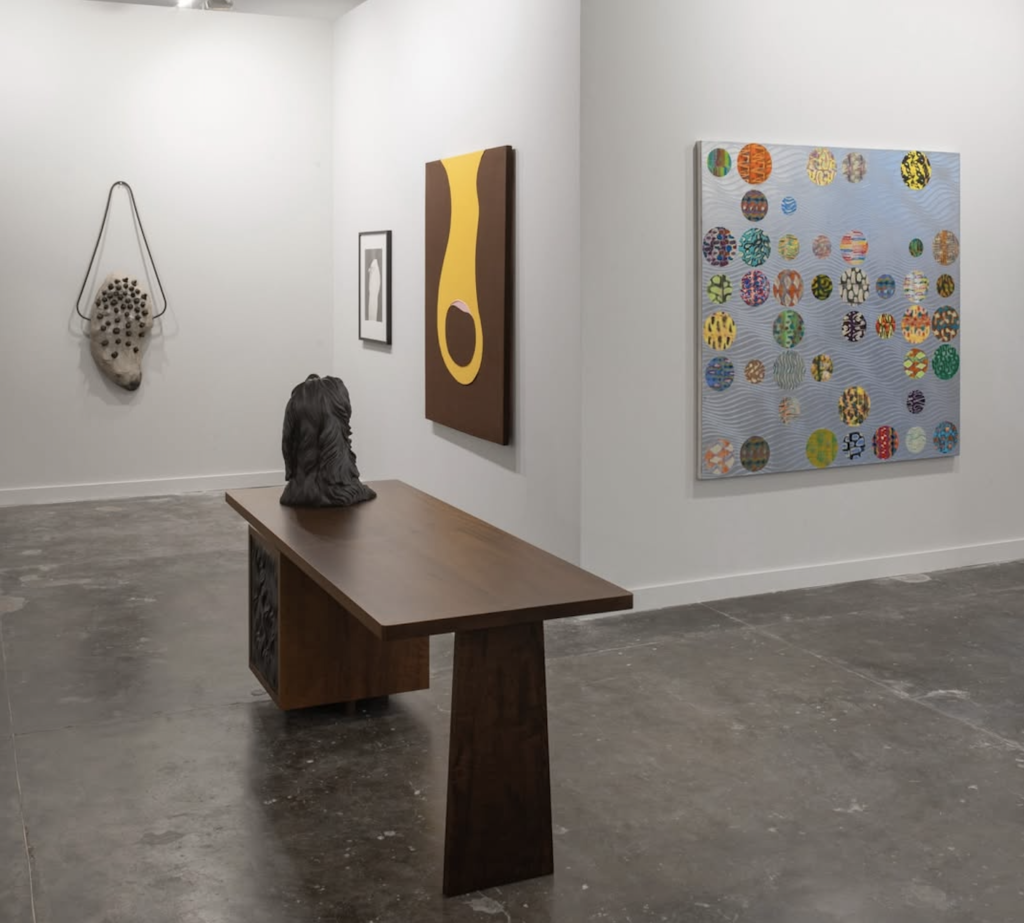
Opening with a highly dynamic first day, the Fortes D’Aloia & Gabriel celebrates its 25th anniversary with strong attendance and a positive reception from collectors, artists, and long-time supporters. The booth reflects both the gallery’s historical depth and its continued relevance within the contemporary scene.
Among the sales highlights are works by Iran do Espírito Santo, Mauro Restiffe, Leda Catunda, Sarah Morris, Robert Mapplethorpe, Tamar Guimarães, Barrão, Pélagie Gbaguidi and Erika Verzutti, among others, reinforcing the gallery’s ability to position both established and contemporary artists within a highly active market environment.
Estação
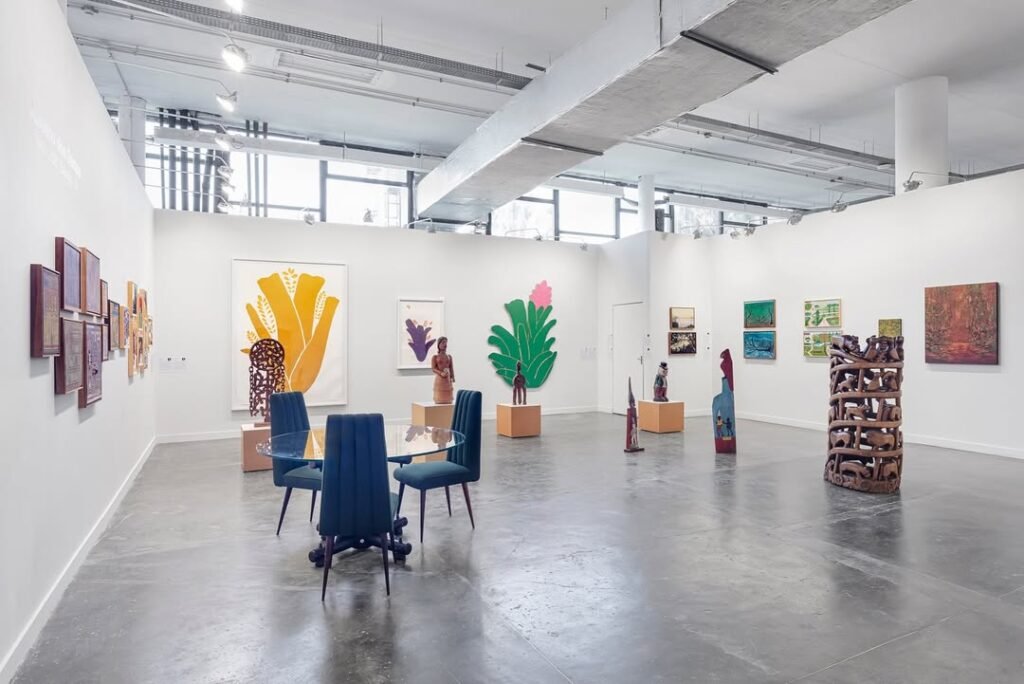
Reporting strong sales on the opening day of SP–Arte 2026, the Galeria Estação highlights the continued demand for self-taught Brazilian artists. Several works by Aurelino dos Santos, who passed away in January, were sold with a range price of R$180.000 including one acquired by collectors Tereza and Cândido Bracher and donated to the Pinacoteca de São Paulo. Additional highlights include the strong reception of Santídio Pereira, with nearly all works sold on the first day, with prices around R$175.000, notably in dialogue with a design collaboration with dpot objeto. The gallery also reports significant sales of Rafael Pereira, with works around R$19.000, currently the subject of a large-scale exhibition occupying two floors at the gallery, reinforcing a price range that spans from accessible entry points to more established market positions.
At SP–Arte, in collaboration with Cave Gallery, the gallery presents a solo booth dedicated to Navegante Tremembé, curated by Lucas Dilacerda. Titled Arquivos da Terra, the project brings together paintings that express Tremembé cosmology through ancestral and dreamlike landscapes, produced using toá, a natural pigment technique rooted in her territory in Ceará. The presentation received a strong response at the fair, with the booth fully sold out, confirming both institutional and market momentum.
Simões de Assis
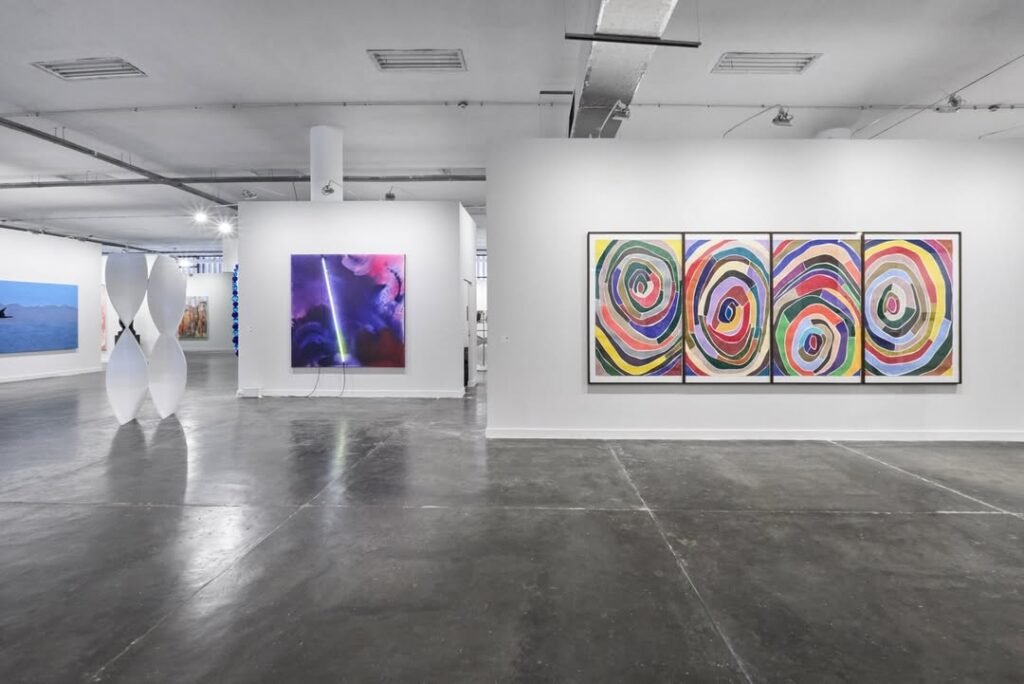
Simões de Assis reports a highly successful edition in the secondary market for high-value works. Within the contemporary segment, let’s highlights a significant institutional sale: a work by Zé Palito, whose practice is included in the collection of Instituto Inhotim, was acquired by a museum in China for approximately R$200.000, underscoring the growing international circulation of Brazilian artists.
In parallel, the gallery confirms the strong market reception of Thalita Hamaoui’s current exhibition, now fully sold out, with 12 works placed in the range of $15.000 to $90.000. The artist is already part of the Pérez Collection at Espacio 23, further reinforcing her institutional visibility.
This momentum unfolds within a broader international context, marked by the closing of Bees Beings Beans by Diambe at Kunsthalle Basel this weekend, as well as the recent opening of an exhibition by Jean-Michel Othoniel in Belgium, ahead of his upcoming solo show at Casa de Vidro in May.
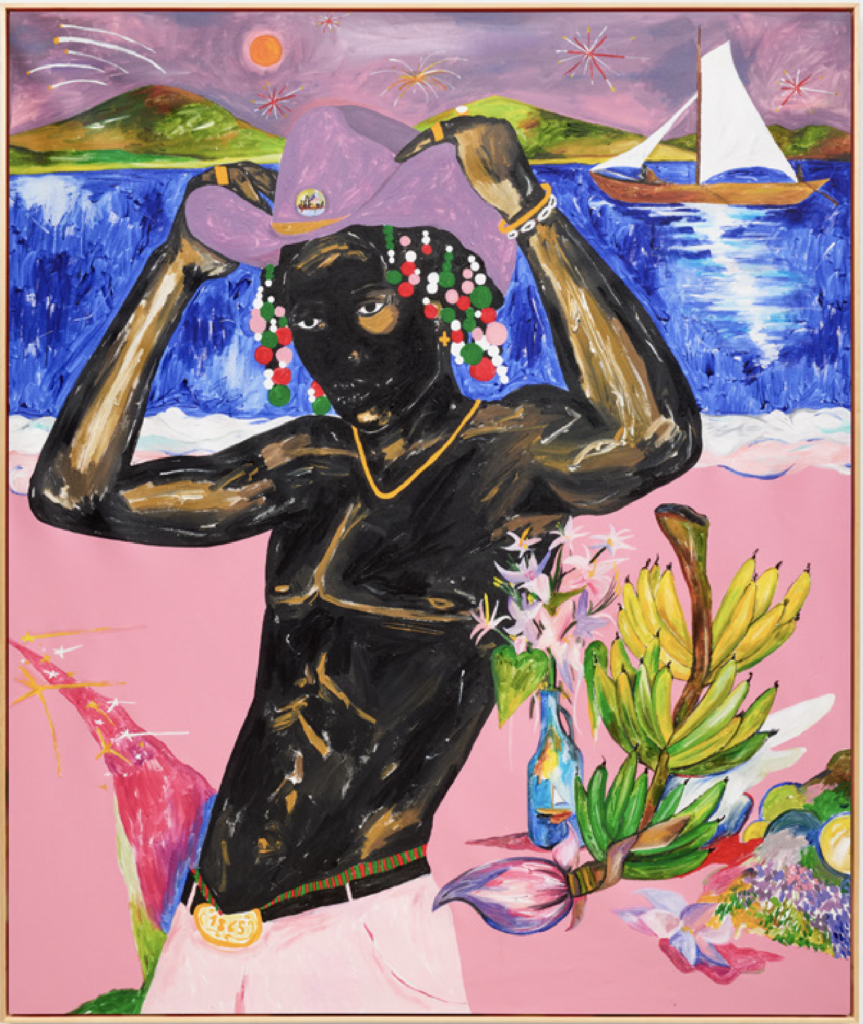
Zéh Palito
We crossed the Cais do Valongo, 2026
Acrylic and oil on canvas
160 x 130 cm
Sold: R$200.000
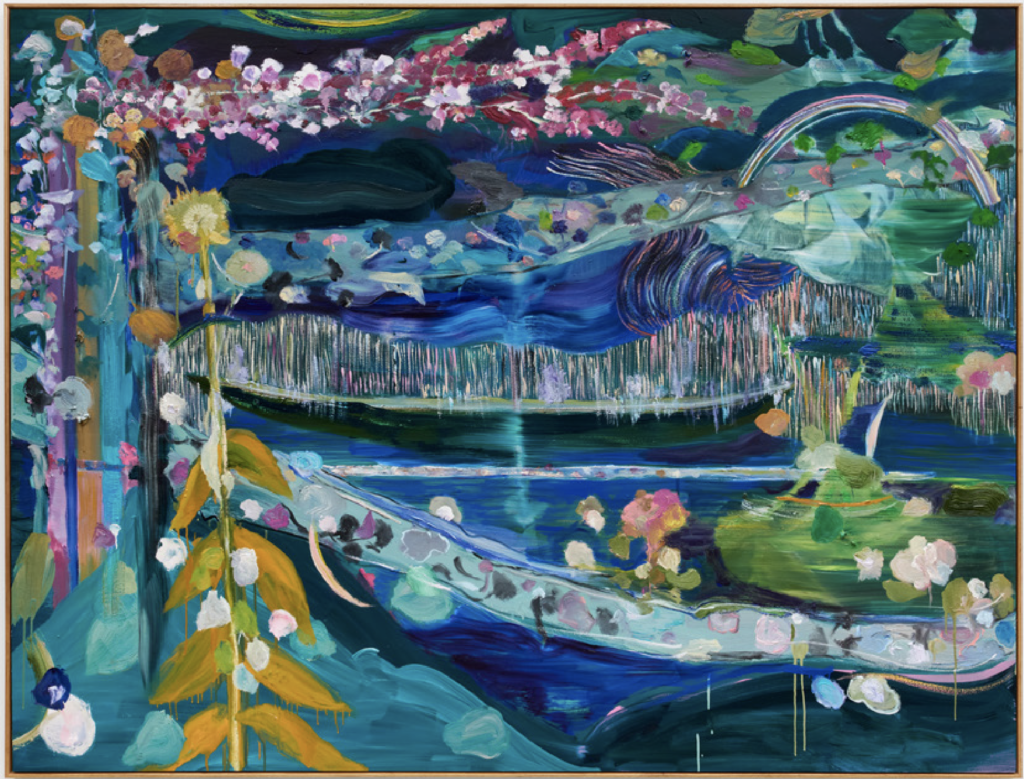
Thalita Hamaoui
Nascer Manacá, 2026
Oil and oil stick on canvas
160 x 210 cm
Sold
Raquel Arnaud
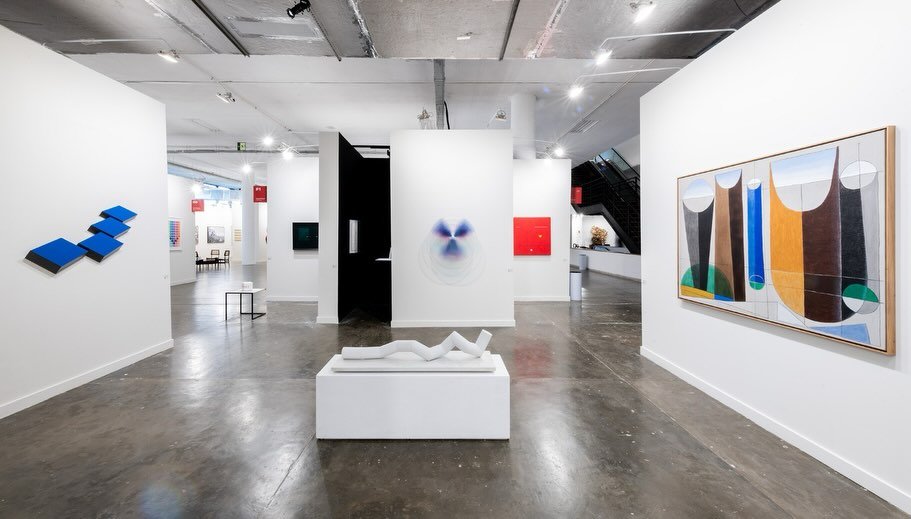
Raquel Arnaud reports significant results on the opening day, with sales ranging from R$60.000 to over R$200.000. Highlights include works by Amilcar de Castro, Célia Euvaldo, Elizabeth Jobim and Iole de Freitas, confirming strong demand for artists working within abstraction and spatial investigation.
The booth brings together a wide-ranging selection of artists whose practices have shaped the development of abstraction and spatial research in Latin American art. The presentation includes names such as Carlos Cruz-Diez, Ding Musa, Julio Villani, Jesús Rafael Soto, Luis Tomasello, Sergio Camargo, Sérvulo Esmeraldo, Tuneu, Waltercio Caldas among others reinforcing a dialogue across generations and geographies.
Continua
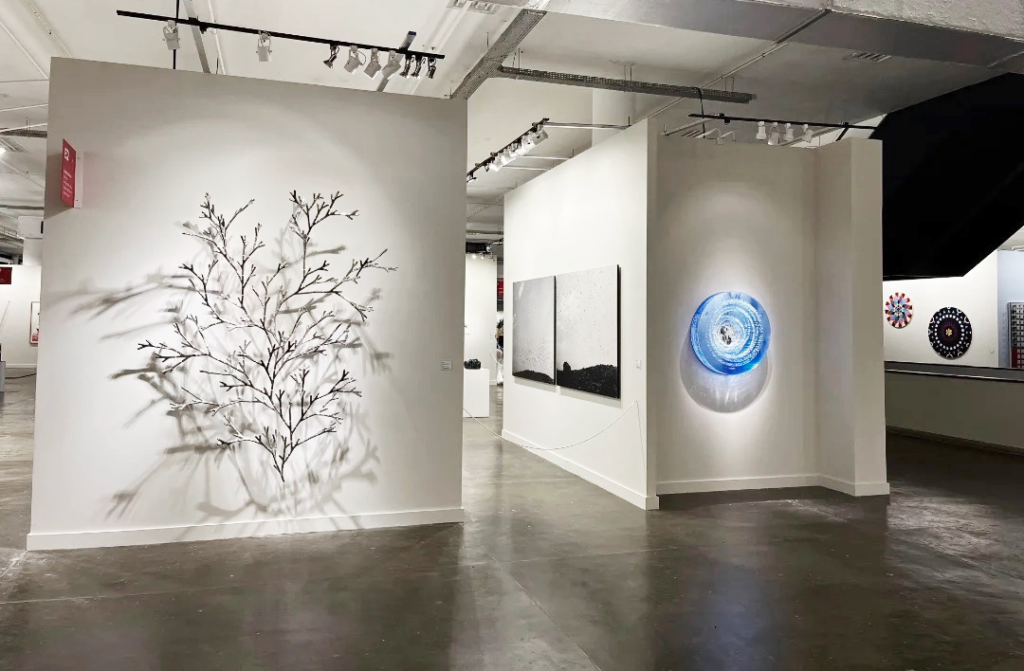
The Galleria Continua reports strong sales, with a near sell-through of works by Oswaldo Gonzalez, priced around $30.000, and multiple placements of Ana Tavares, including recent 2026 works. The gallery also placed several key works by Anna Maria Maiolino, Mira Schendel and Paulo Monteiro, alongside editions and unique works from the Plateia series, reinforcing strong collector demand across both modern and contemporary segments.
In parallel, the booth highlights a conceptual project by Yhuri Cruz, currently the subject of a solo exhibition at the gallery. Centered on a performative installation structured around a fictional family inheritance, the work explores themes of memory, legacy, and absence through objects, narrative, and ritualized actions. With ongoing discussions with the Pinacoteca de São Paulo regarding a potential acquisition, the project underscores the gallery’s ability to bridge strong market performance with ambitious, institutionally oriented practices.
Zielinsky
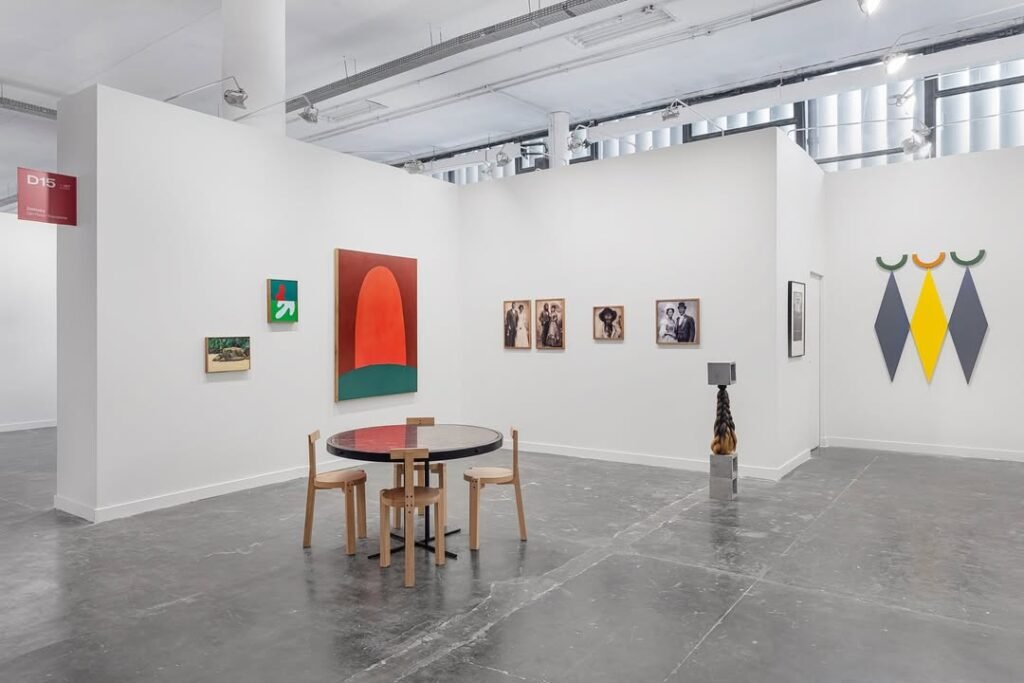
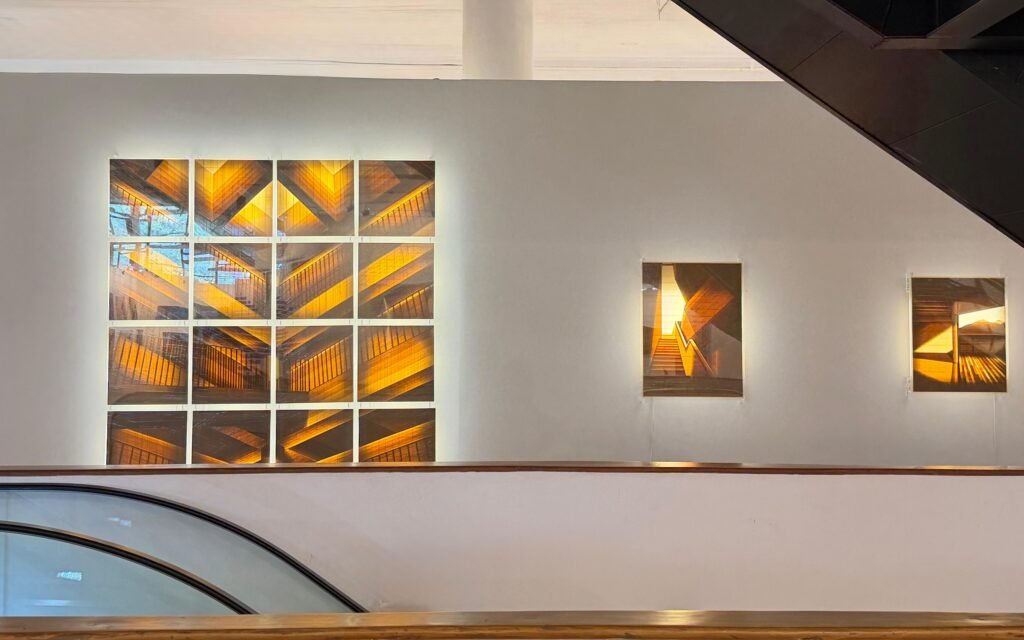
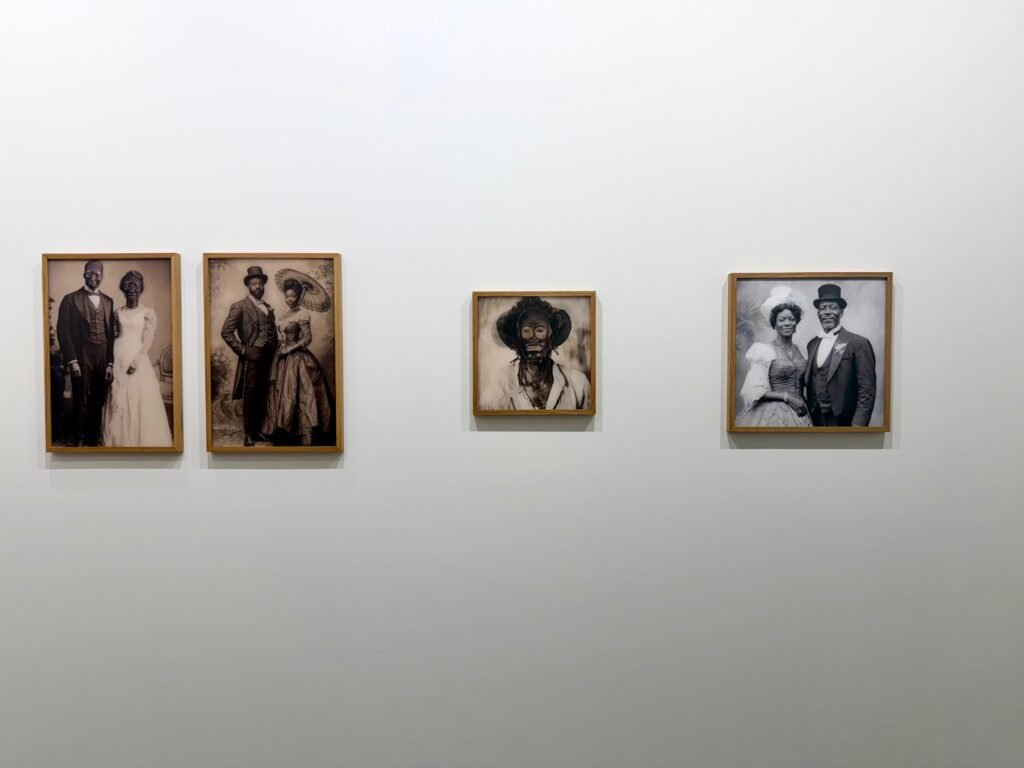
Zielinsky reports strong sales, with a high volume of works placed, albeit at more accessible price points, reflecting a shift toward broader collector engagement. Among the highlights is Dennis Moreira, part of the Coletivo Vilãnismo, whose series, originally presented at the São Paulo Biennial, has seen significant demand, with works priced between $10.000 and $18.000 in editions of five. The series, which reconstructs the artist’s ancestry through AI-generated portraits combined with African masks, was acquired by both private collectors and institutions, including placements in São Paulo-based collections.
Other strong sales were recorded across emerging artists such as Rodrigo Bivar, Rodrigo Tenis, Daniel Ramos and Diego Cruz. Notably, Diego Cruz launches an open-edition wearable work, a T-shirt priced at R$500, expanding the gallery’s reach to new audiences. The piece appropriates the phrase calado 1 poeta, referencing a controversial statement made to Pelé during the 1994 World Cup, recontextualizing it within a critical reflection on race, silencing, and power structures. Positioned as an “unofficial” Brazilian national team jersey, the work engages directly with current political and cultural tensions, including the global visibility of football, electoral cycles, and contemporary geopolitics.
Blurring the boundaries between art, fashion, and social commentary, the project reflects a broader shift toward hybrid practices and expanded audiences. The activation of the work extends into the fair itself, with the artist scheduled to be present on Saturday to sign the T-shirts, reinforcing its performative and participatory dimension.
Casa Triângulo
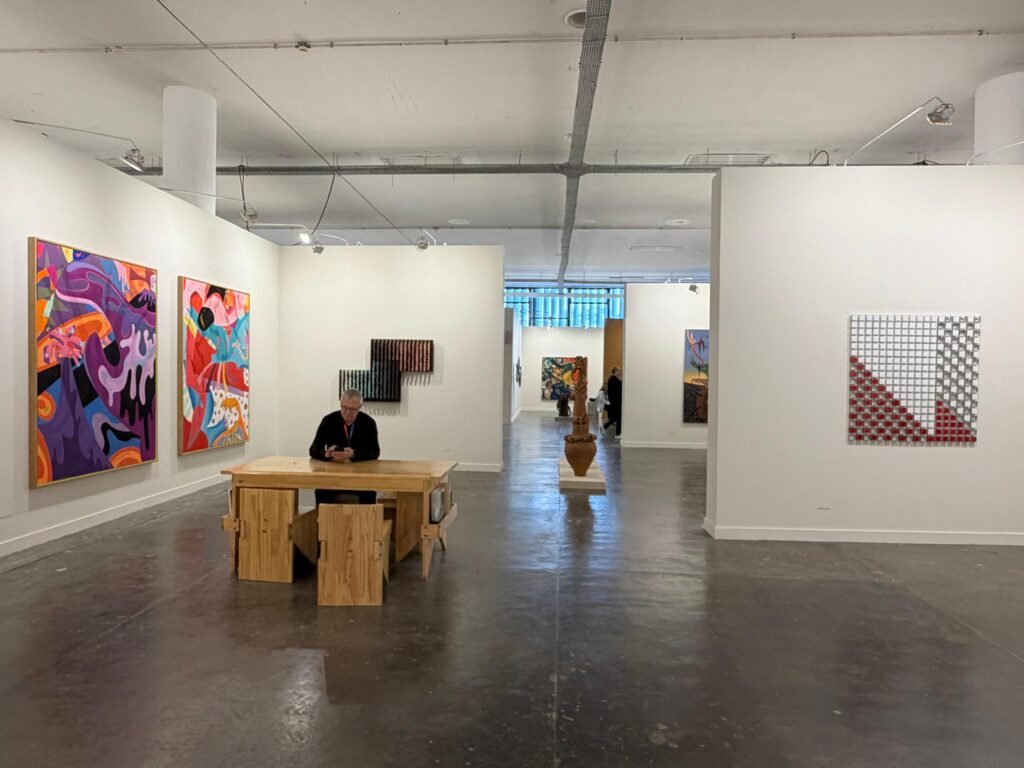
Following an exceptionally strong opening day, the Casa Triângulo reports near-total sell-through of its booth, marking one of its most dynamic performances in recent years. The gallery placed all works by Joana Vasconcelos, who is currently presenting the exhibition Jardim do Éden at the Farol Santander, on view through mid-2026, and Sandra Cinto, whose presentation at the fair reinforces the trajectory of her current solo exhibition Dois Infinitos (March 28 – May 16, 2026), her eleventh with the gallery, entirely sold out and confirming both institutional recognition and sustained collector demand.
This strong commercial response extends across the booth, with multiple placements of works by Vânia Mignone, Assume Vivid Astro Focus, Lucas Simões, Eduardo Berliner, Rafael Chaves and Antonio Henrique Amaral, underscoring the gallery’s ability to position artists across generations within a highly responsive market.
Portas Vilaseca
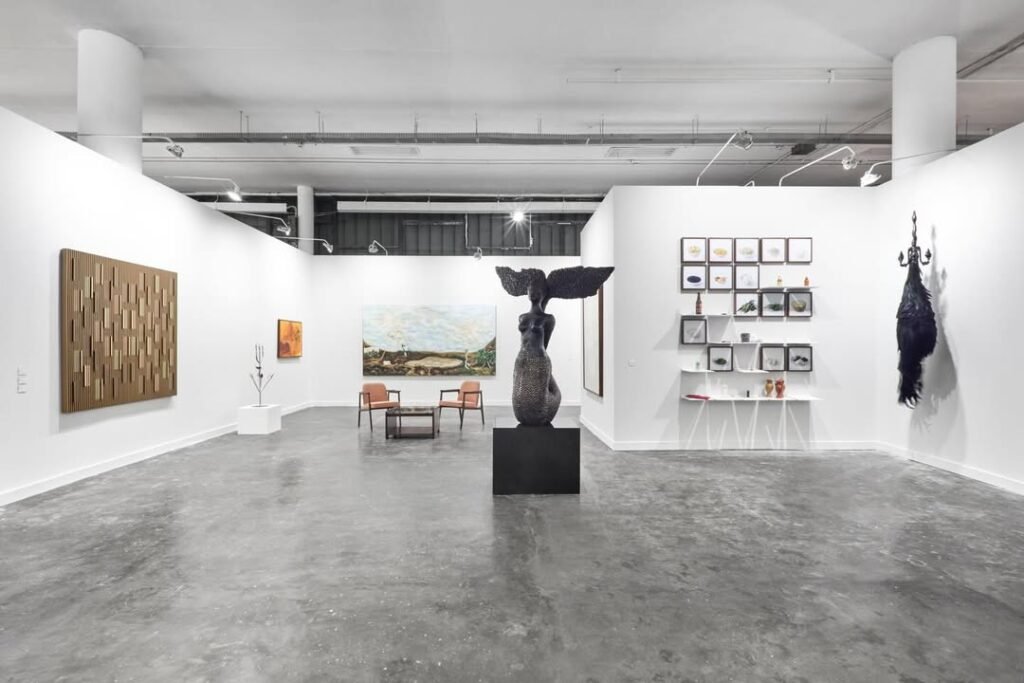
The Portas Vilaseca presents a booth oriented toward institutional dialogue at SP–Arte 2026, with several works already in negotiation and strong interest from collectors. Sales have been steady, including a bronze sculpture by Nádia Taquary, for R$430.000, which has generated strong interest from collectors, with six clients currently considering the final edition, reinforcing the demand for the artist’s work at the fair. The gallery also mention discussions are underway with the Pinacoteca de São Paulo regarding a work by Íris Helena, currently in the process of securing a donor for acquisition.
The booth also highlights Ayrson Heráclito, with one work sold and a significant institutional presence marked by over 200 works currently on loan to the Venice Biennale 2026, including sculptures and works on paper. Rooted in ritual, memory, and Afro-Brazilian cosmologies, his practice reinforces a strong dialogue between market visibility and major international exhibitions.
Alongside this, emerging artist Amorí, recently represented by the gallery since 2026, presents a new body of paintings and sculptural works exploring the landscapes of Pernambuco through a lens that merges cosmology, memory, and environmental transformation. With an upcoming institutional project in São Paulo and participation in Panorama at the Museu de Arte Moderna de São Paulo, her practice signals a growing trajectory within the contemporary Brazilian scene.
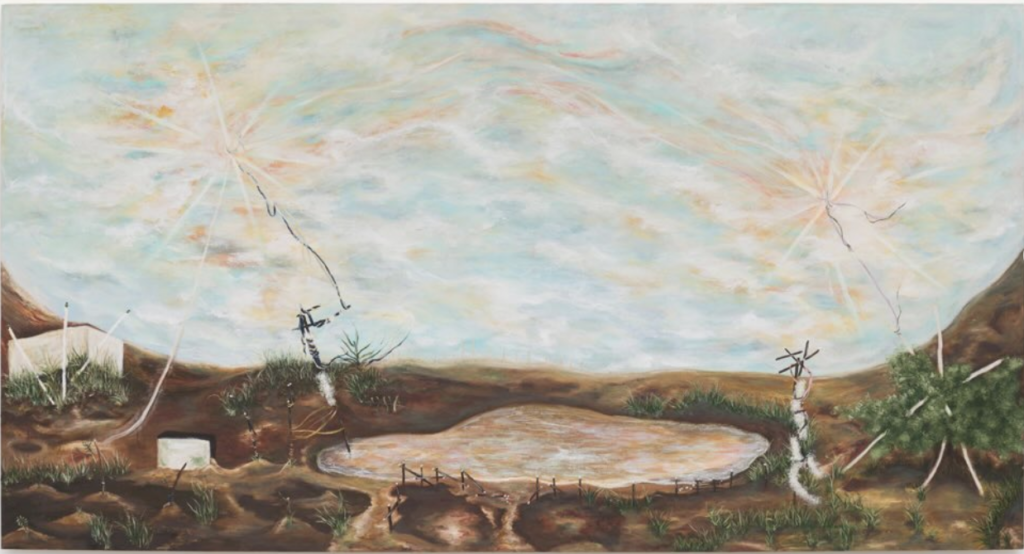
Amorí
Peleja, 2026
Oil on canvas
160 x 300 cm
Anita Schwartz
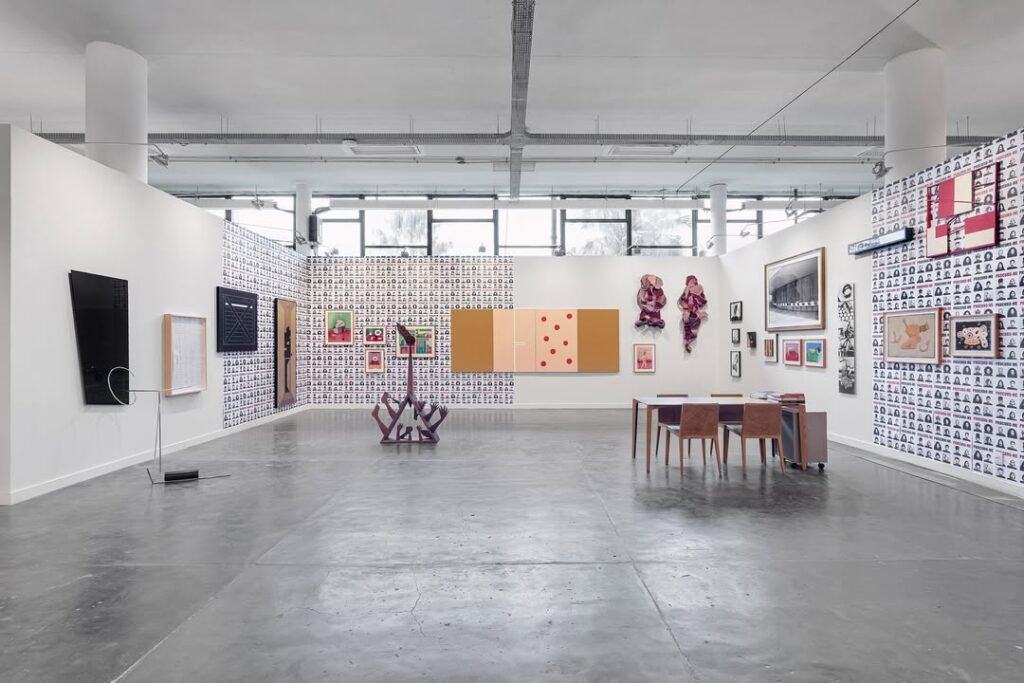
Curated by Ulisses Carrilho, the gallery presents a historically grounded booth, bringing together works that traverse generations, including significant historical pieces by Wanda Pimentel. Centered on the body as a symbolic and political field, the display is marked by a standout installation by Lenora de Barros, whose Procuro-me (2001) envelops the space and activates a tension between presence, identity, and language. Notably, the gallery introduced a curatorial shift on Friday, reconfiguring the booth’s presentation and reinforcing its dynamic approach throughout the fair.
With significant sales during the preview, the gallery confirms a solid performance. Highlights include Exercício sobre jornal, 1973 by Yolanda Freyre, acquired by the Pinacoteca de São Paulo through a donation by collectors Alfredo and Rose Setúbal, alongside works by Cristina Salgado, Bruno Lyfe, Gabriela Machado and Antonio Manoel placed in major private collections, including internationally. This momentum extends into the gallery’s 2026 program, beginning with the group exhibition Veludo (April 14–25, 2026), presented in the context of Rio Fashion Week and curated by Ulisses Carrilho, followed by solo exhibitions, notably Cristina Salgado, currently on view at the Pinacoteca de São Paulo.
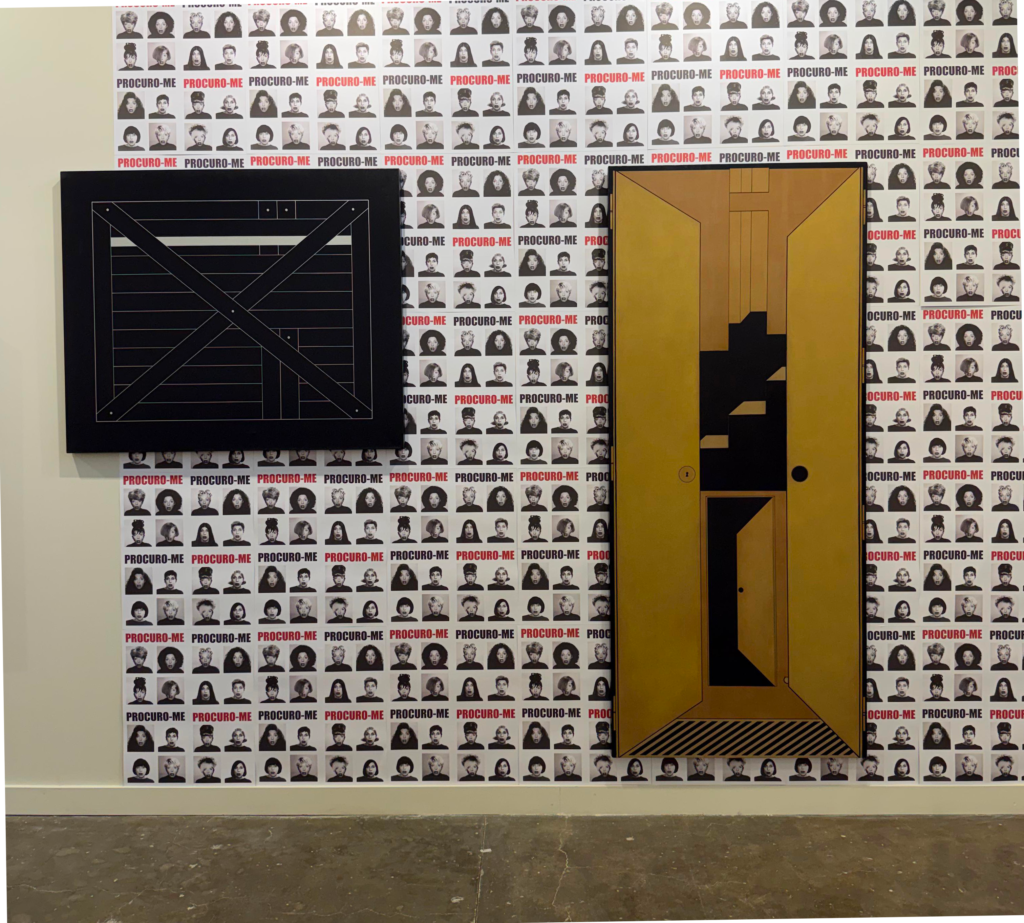
Wanda Pimentel artwork on the left: R$450.000; artwork on the right: R$1.1 M.
Eduardo Fernandes
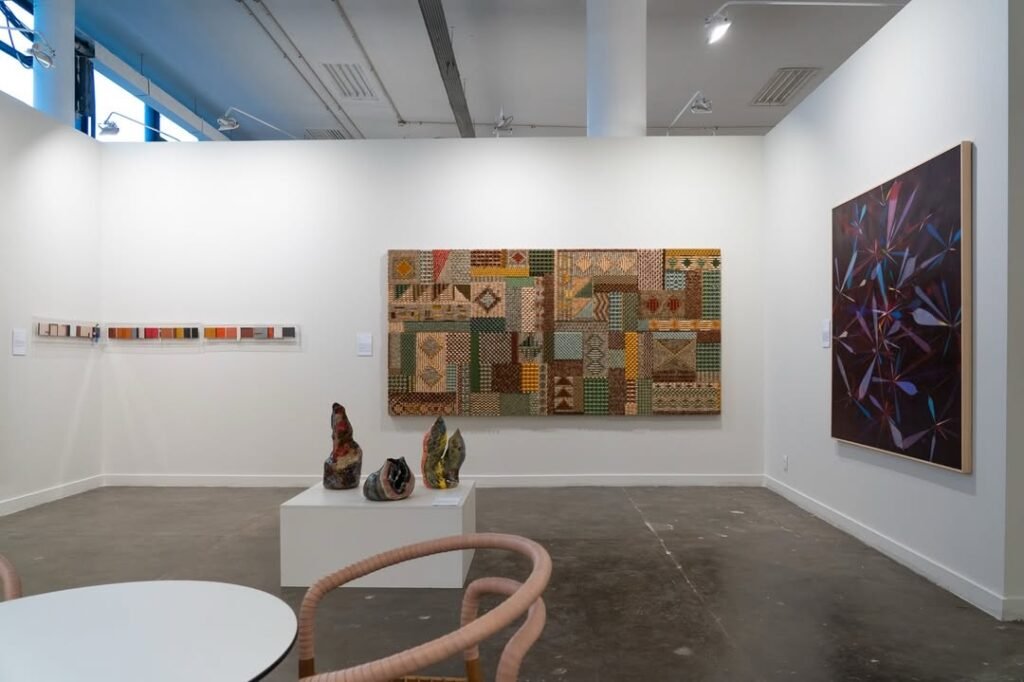
Opening with strong sales the gallery Eduardo Fernandes reports placements across multiple artists, including works by Eloísa Crocco for R$120.000, Rosana Nady for R$70.000, Renata Egreja R$18.000 and Jaqueline Duncan for R$9.000, alongside a strong volume of sales of Shu Lin, with five works placed at around R$5.000 each. The gallery also notes interest from São Paulo-based collectors in works by Fernando Arias, whose pieces are priced around R$90.000.
A particular highlight is Eloísa Crocco, whose practice engages with material reuse and environmental narratives, transforming reclaimed wood into geometrized compositions rooted in research on Amazonian landscapes. Her recent trajectory includes participation in the Bienal do Mercosul and a solo presentation at the Farol Santander, where she was featured among a select group of artists exploring elemental themes. This institutional visibility reinforces the gallery’s positioning in bridging emerging practices with broader curatorial and museum contexts.
Athena
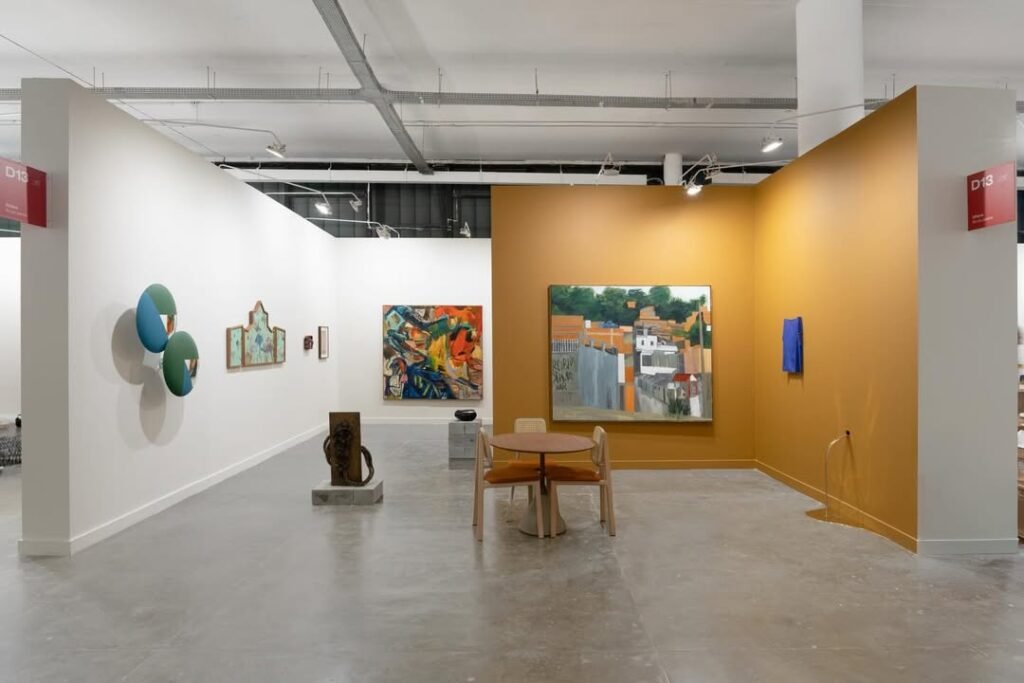
Athena Gallery reports strong engagement from São Paulo based collectors. Highlights include works by Renata Leoa, placed around R$60.000, alongside three works by Ayla Tavares from a series developed in Paris during her presentation at Hatch Gallery, for €6.000 each. The gallery also placed works by Wanderlei Lopes, around R$80.000, confirming a steady demand across its program.
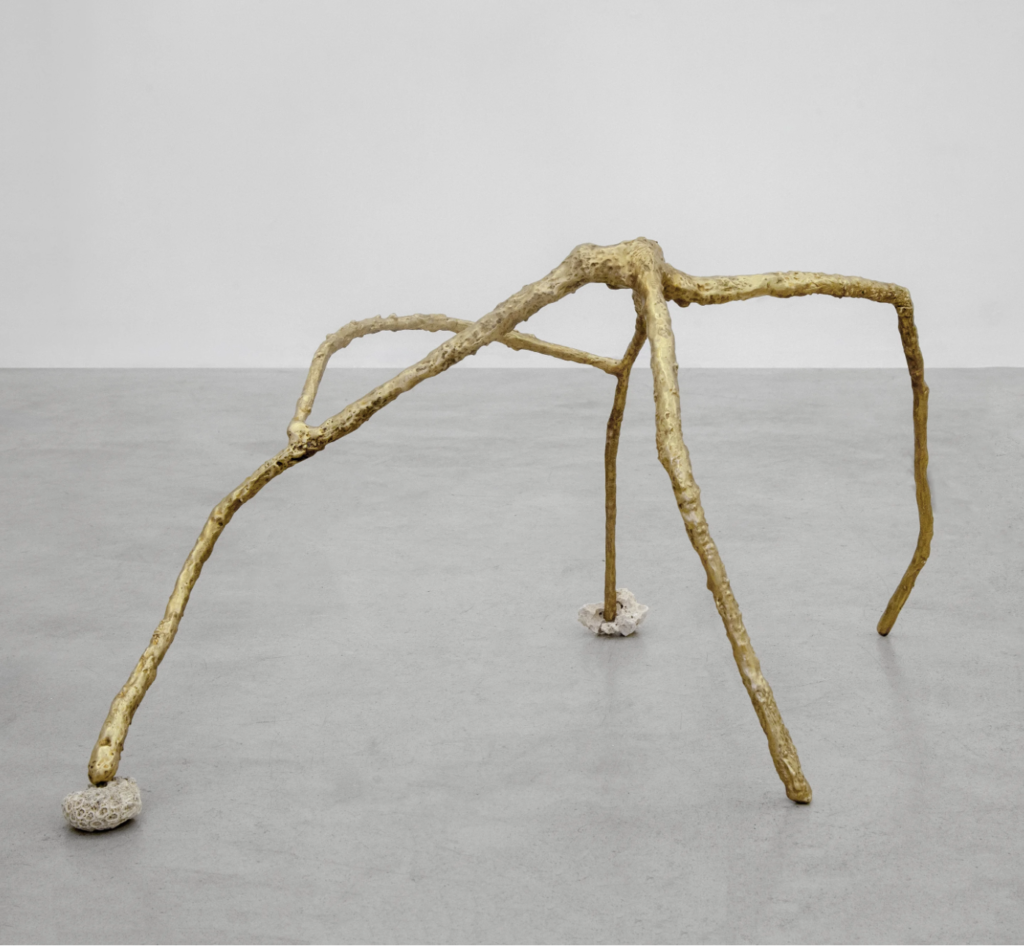
Among the emerging names, Jonas Arrabal stands out for his investigation into the relationship between organic and industrial materials, combining elements such as bronze and coral in sculptural compositions that evoke tension between nature and fabrication. Originally from Cabo Frio and currently based in São Paulo, his practice reflects a growing interest in material hybridity and environmental dialogue, positioning him within a new generation of Brazilian artists exploring expanded sculptural languages.
Verve
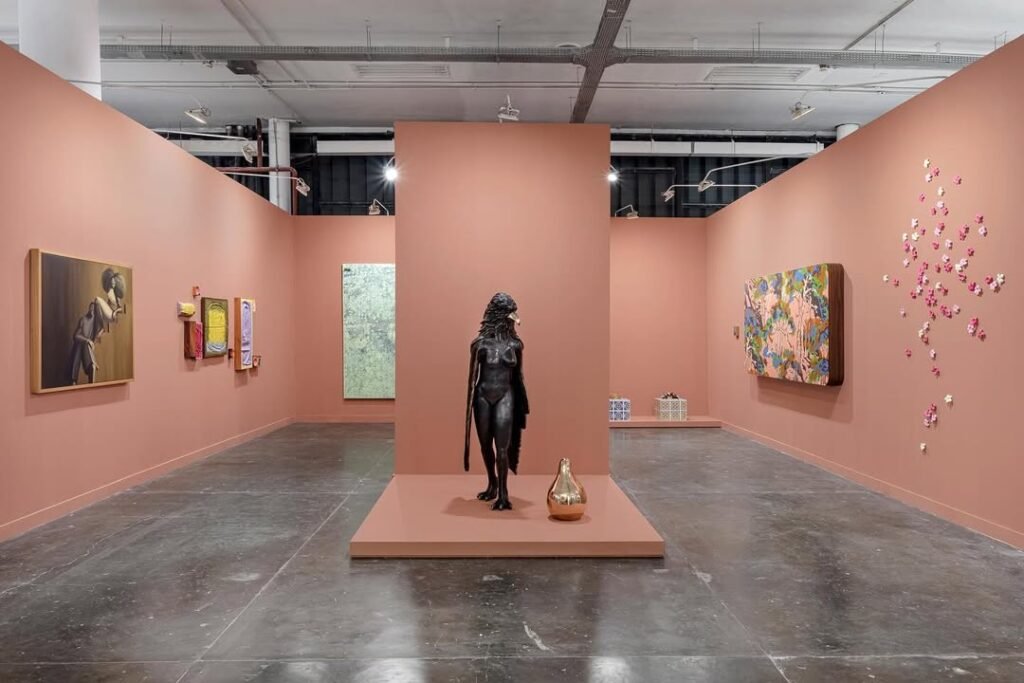
The Verve reports strong sales performance, with multiple placements during the opening, including works by Otto Ferreira, Victor Fidelis, Leticia Lopes, Daniel Mello, Francisco Hertz, Moises Patricio and the artistst Adriel Visotto whose works were fully sold out. The booth is structured around a central sculpture by Nadia Taquary, previously presented in her installation at the São Paulo Biennial, with ongoing interest suggesting a potential sale by the end of the fair.
Beyond the fair, the gallery’s program reflects growing institutional visibility, with recent acquisitions including works by Victor Fidelis for the Centre Pompidou and by Mayara Ferrão for the Museum of Modern Art, alongside placements in U.S. collections and recognition at international fairs such as Expo Chicago. This trajectory underscores Verve’s positioning within a new generation of Brazilian galleries connecting emerging practices to global institutional networks.
A Gentil Carioca
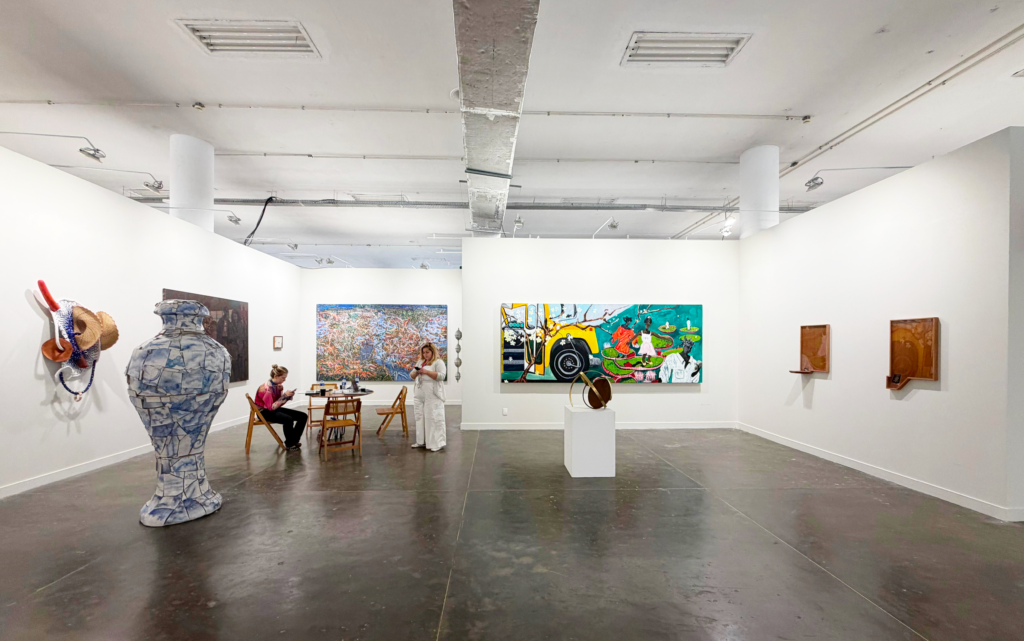
A Gentil Carioca presents a dynamic booth, highlighting a new generation of artists alongside established names from its program. Among the standout figures is Rose Afefė (35), whose practice is rooted in the construction of a micro-community in Chapada Diamantina was donated to Pinacoteca do Estado de São Paulo. Developed as a long-term, site-specific project, her work draws from vernacular architecture and everyday materials, translating fragments of this lived environment into sculptural compositions that evoke a form of contemporary archaeology. Recently in residence in São Paulo, her trajectory reflects a growing visibility following her participation in Abre Alas and subsequent exhibitions with the gallery.
The booth also reflects strong institutional and collector interest across its program. Agrade Camiz and Vivian Cacuri achieves notable visibility with her works entering important collections, including a forthcoming donation to the Solomon R. Guggenheim Museum of NY for both. Vivian Caccuri is also in discussion for a museum placement in Germany, while Laura Lima continues her institutional trajectory following recent international exhibitions at ICA London. The program further includes Ana Silva, recently exhibited in Bergamo was adquired last year by the El Espacio 23 from the Perez colelction in Miami.
Miguel Afa, returning from a residency in Rome, is currently presenting an exhibition at A Gentil Carioca’s new space in the city, located in a building designed by Jean Nouvel for the Fendi family.
Arjan Martins, who has recently opened an exhibition at Olney Gleason Gallery in New York and is expanding his international representation.
With works ranging between R$20.000 and R$60.000, the booth underscores the gallery’s role in fostering emerging practices while strengthening their institutional and global presence.
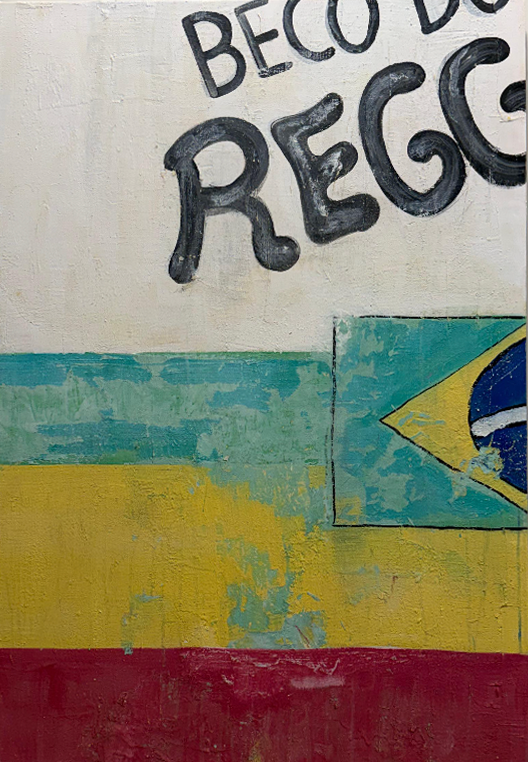
Rose Afefė
Beco do Reggae, 2026
Acrylic, acrylic putty, sand, plaster and glue on canvas
87 x 63 x 4 cm
Donated to Pinacoteca of Sao Paulo
Luciana Brito
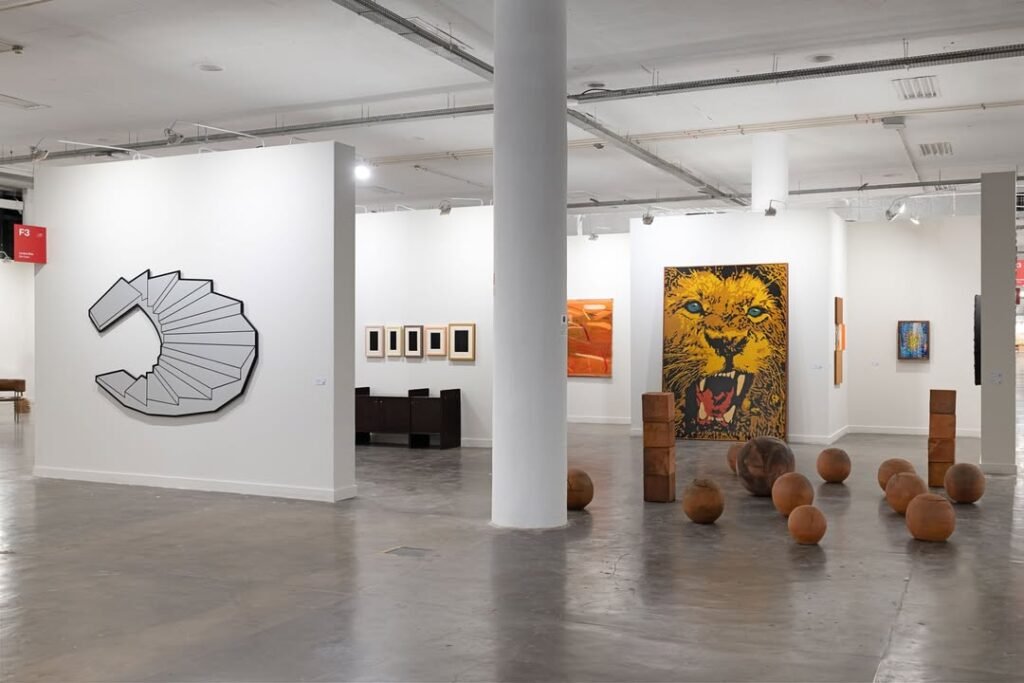
Luciana Brito presents a curatorial framework that bridges historical depth and contemporary perspectives. The booth notably includes two historical paintings by Waldemar Cordeiro, one of the leading figures of Brazilian Concrete art, represented by the gallery: a Spirale from 1951, belonging to the Ruptura period, and a work from the Geometria Intuitiva series, 1960. These works anchor the presentation within the foundational narratives of Brazilian abstraction.
Alongside this historical axis, the gallery reports multiple sales of works by Rob Wynne, placed in Brazilian collections, with prices around $120.000 of his unique works attracting consistent attention from local collectors.
The booth also includes works by Caio Heiserwitz, whose photographic practice engages with natural landscapes and perceptual dynamics, with sales around R$190.000. Together, these presentations reflect the gallery’s strategy of expanding its international roster while maintaining a strong connection with the Brazilian collector base.
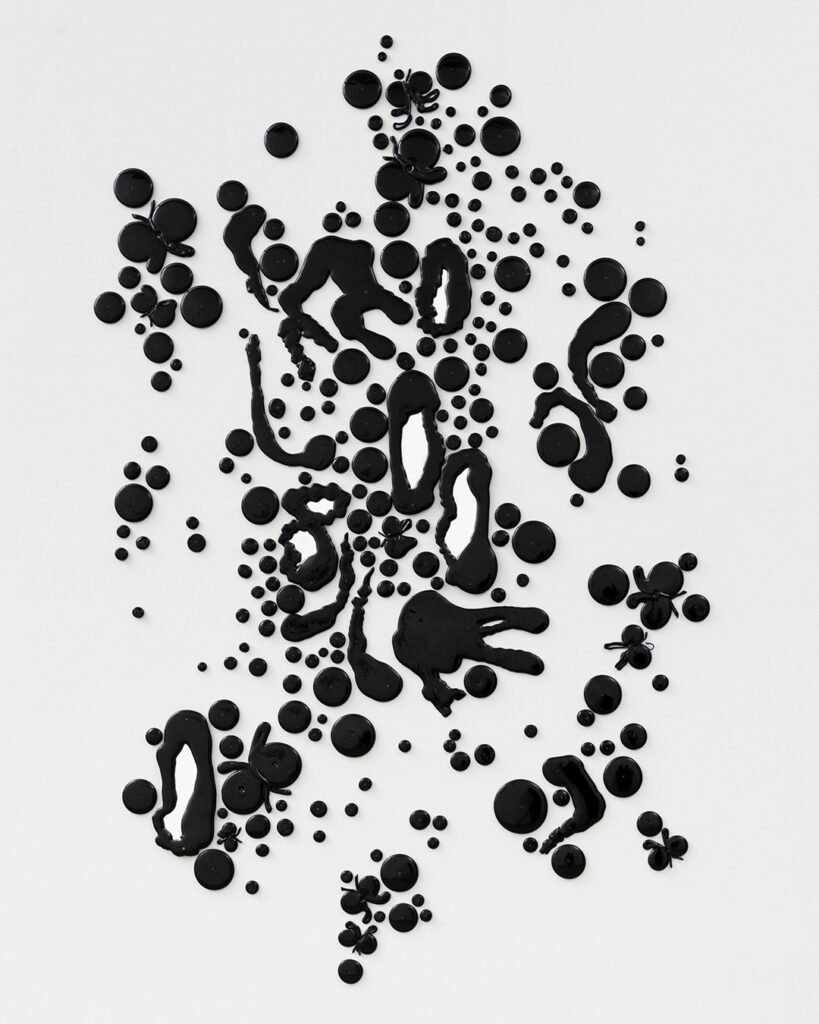
Rob Wynne
Up, 2025
Spilled and mirrored glass with mirror inserts
302 x 135 cm
Sold: $120.000
Janaina Torres
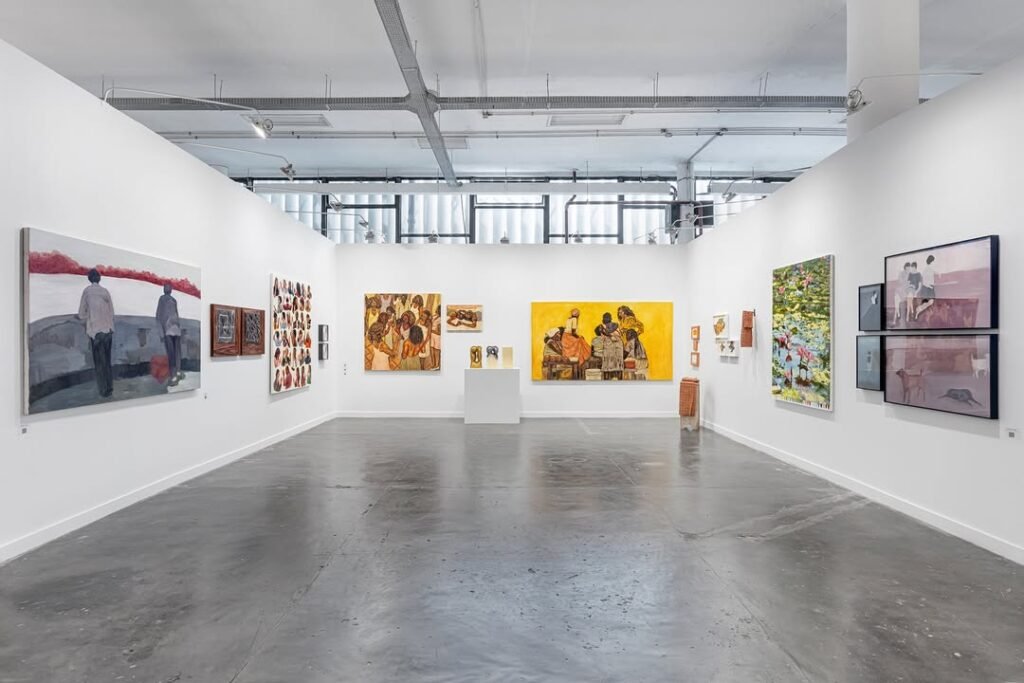
The Janaina Torres Galeria, approaching a decade of activity, presents a focused selection that reflects its trajectory and commitment to emerging Brazilian artists.
Manuela Navas, based in Caraguatatuba (São Paulo state), is a self-taught artist whose practice explores the feminine universe as a central theme. She is featured with works ranging between R$20.000 and R$65.000. Her interdisciplinary practice spans painting, illustration, and collaborations with the fashion industry. She was recently featured in Vogue and collaborated with the Marco and Miranda brand, linked to the Valentino family, on a new collection presented in Milan. In parallel, her work in literature has gained recognition through her illustrations for Do Chupinho, by Itamar Vieira Júnior, for which she received the Revelation Award in Illustration last year. Her work continues to gain visibility, with a solo exhibition scheduled for next year at the Museu de Arte do Rio (MAR).
The presentation also includes Caio Pacella, based in Rio de Janeiro, whose works are positioned around R$75.000. Recently acquired by the Pinacoteca de São Paulo, his practice is further shaped by a residency at the MECA (Instituto McLaren) in Niterói, an experience that informs his engagement with religious and cultural narratives in Brazil. Together, the artists reflect the gallery’s balanced approach between market accessibility and growing institutional recognition.
Inox
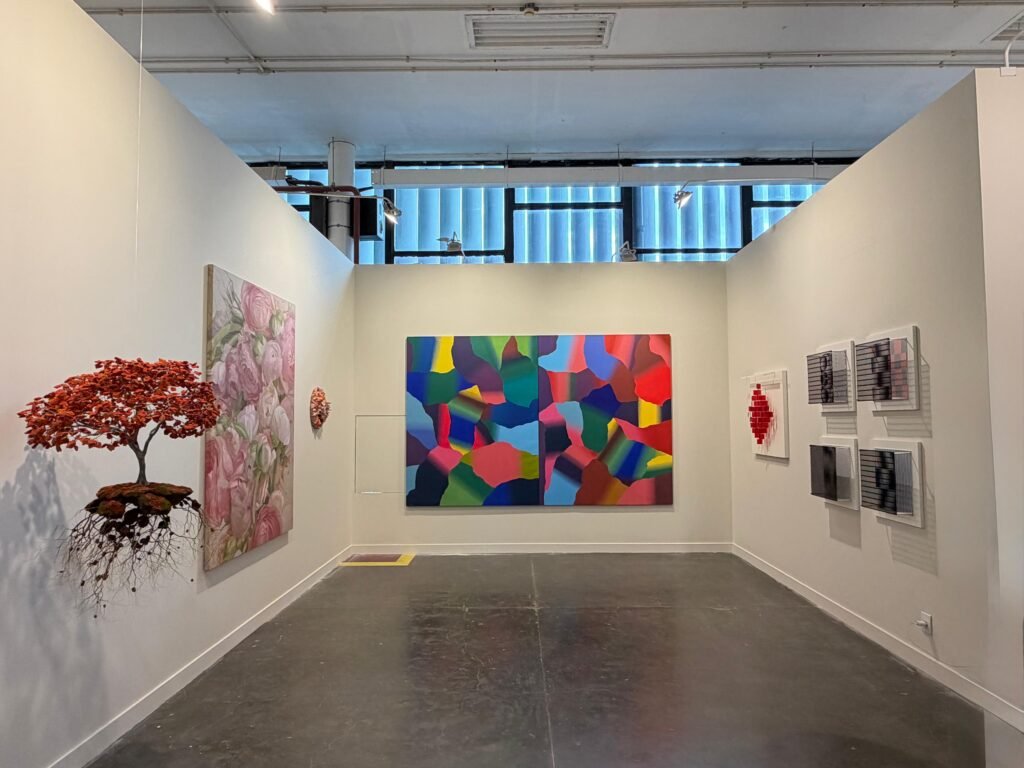
Opening with a focused group of transactions, the Inox reports the sale of three works by Jorge Mayet,ranging between R$160-170.000 including large-scale paintings, a unique work by Lívia Moura was sold at approximately R$80.000 alongside one work by Antonio Asís for R$35.000 and an installation by Zé Angel.
Beyond the fair, the gallery had already secured an institutional placement prior to SP–Arte, with three works by Lívia Moura acquired by the VIK hotel-museum project in São Paulo state. While the number of transactions remains selective, the booth reflects consistent collector interest, particularly around Jorge Mayet’s works, which continue to attract demand at higher price points, with ongoing negotiations extending beyond the initial sales.
Cavalo
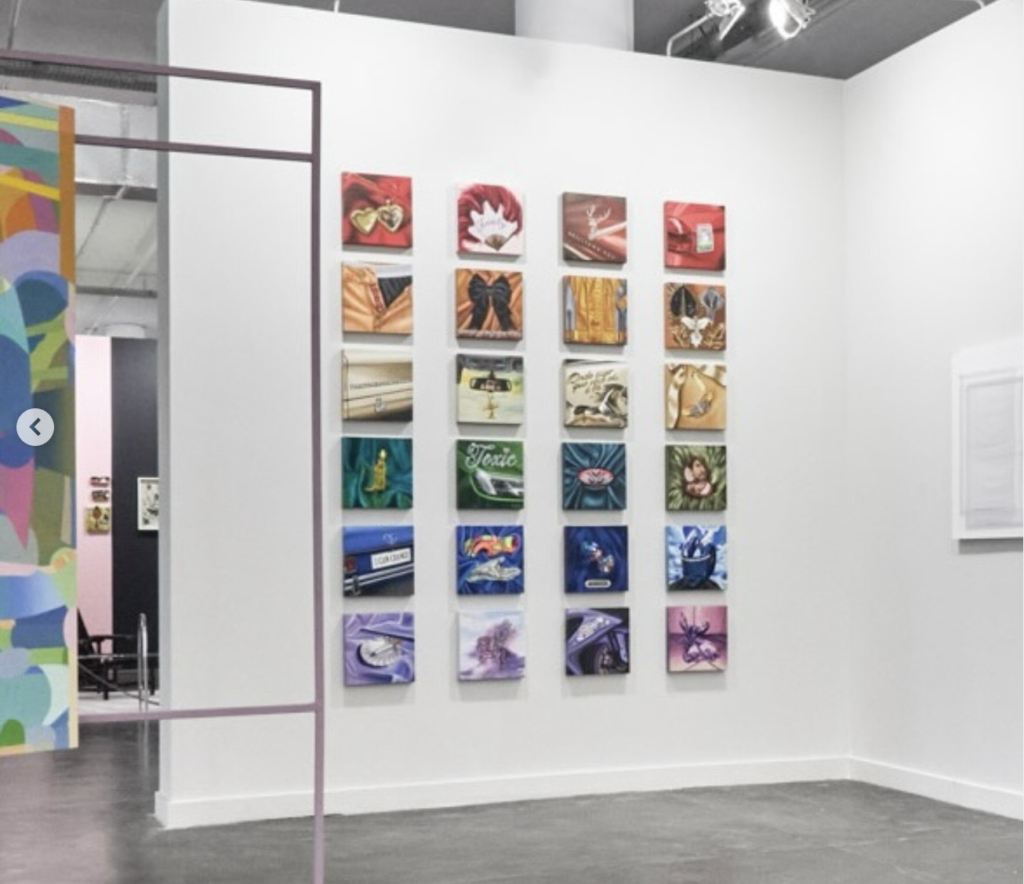
The Galeria Cavalo highlights strong interest at the fair, particularly around Eustáquio Neves, whose work has attracted significant attention ahead of his participation in the Venice Biennale 2026, reinforcing his growing international visibility.
Among the emerging names, Tainan Cabral stands out as a key highlight of the booth, with an upcoming solo exhibition scheduled at the Museu de Arte do Rio later this year, further consolidating his institutional trajectory. Douglas de Souza also draws strong attention with a large-scale installation composed of 24 paintings, each corresponding to a musical track, forming a visual “playlist” that expands the dialogue between image, rhythm, and narrative.
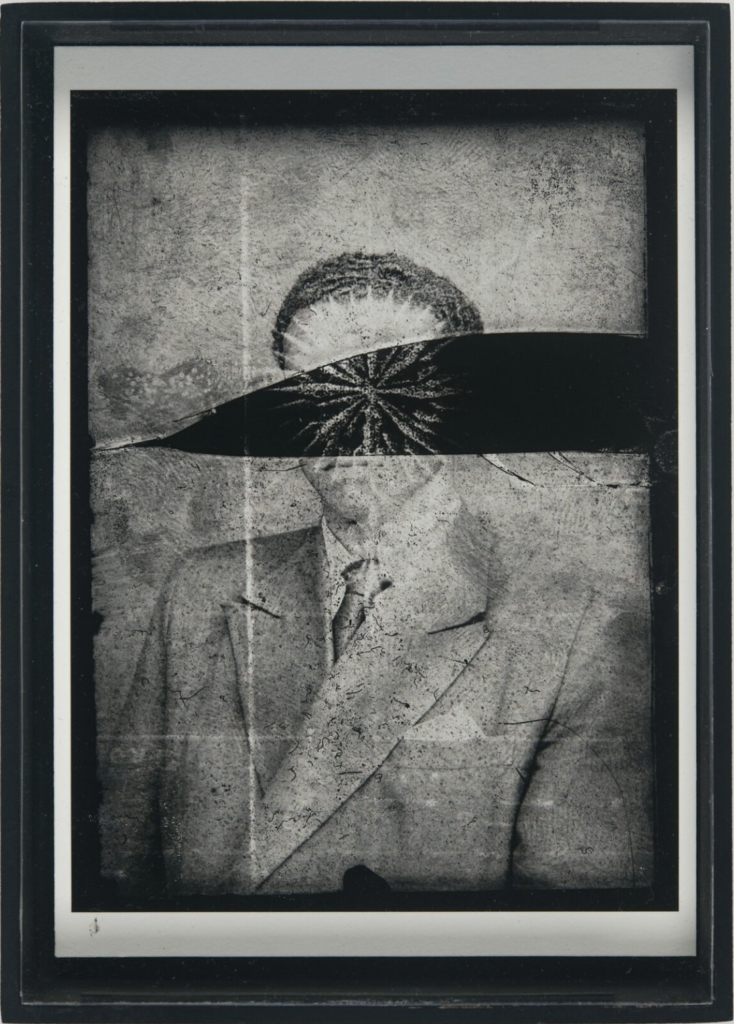
Eustáquio Neves
Retrato Falado, Eustáquio Neves, 2020
Wooden boxes with images printed on rice paper and cotton paper
19 x 14 cm
Yehudi Hollander-Pappi
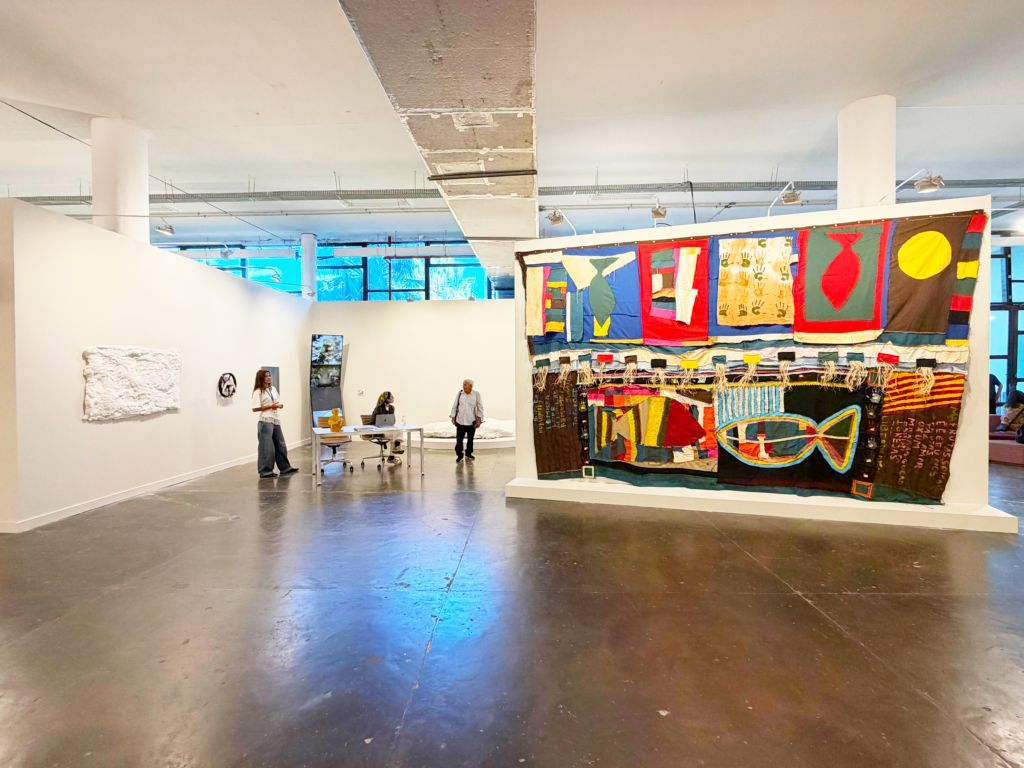
The gallery, founded just one year ago, presents a booth focused on supporting young and experimental practices, with a strong emphasis on production and conceptual development. Despite its recent formation, it reports significant milestones, including the acquisition of a video work by Gabriel Massan by the Pinacoteca de São Paulo. The work, part of an interactive video game edition, reflects the artist’s growing international recognition following his major exhibition at the Serpentine Galleries in 2020.
Additional sales include works by Castiel Vitorino Brasileiro and Adriana Amaral, alongside multiple placements across the booth, confirming interest in emerging Brazilian artists. Price points vary significantly depending on the artist, with works such as those by Renata Haar reaching around R$180.000. The presentation brings together a new generation of artists engaging with painting, sculpture, and installation, often through experimental and process-driven approaches, reinforcing the gallery’s role in fostering early-career trajectories and institutional visibility
Luisa Strina
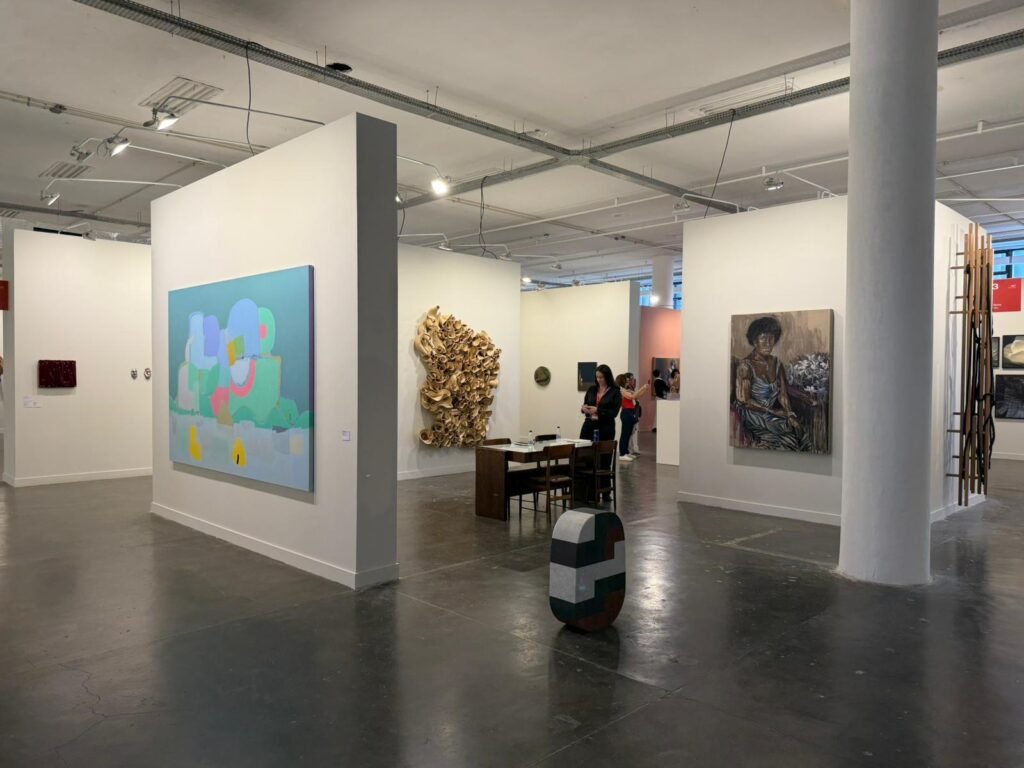
The booth brings together artists from different generations and geographies, including Alexandre da Cunha, Anna Maria Maiolino, Clarissa Tossin, Fernanda Gomes, Leonilson, Leonor Antunes, Marcius Galan, Marepe, Pedro Reyes and Renata Lucas, among others, reflecting the gallery’s ability to articulate historical depth with contemporary experimentation across Latin America and beyond.
Following the recent institutional visibility of Cinthia Marcelle, notably through her participation in major international exhibitions such as the Venice Biennale 2022, Galeria Luisa Strina reports the sale of three works by the artist during SP–Arte 2026, confirming sustained demand for her practice. Known for her engagement with systems, labor, and collective processes, Marcelle continues to consolidate her position within the global contemporary art scene.
Laura Lima is currently featured at the ICA London, while Clarissa Tossin has recently entered the LACMA collection. Alexandre da Cunha is currently on view in a dialogue exhibition with Dudi Maia Rosa at Gomide&Co, and Marina Saleme prepares an upcoming exhibition alongside a book publication launch.
This international momentum extends to Brisa Noronha, currently exhibiting in Turin at the Società Interludio, and Anna Maria Maiolino, who presents a solo exhibition at the MAAT Lisbon. The gallery also highlights Juliana dos Santos, whose recent presentations during the Biennial and at the Pinacoteca de São Paulo have led to acquisitions by Latin American collections, reflecting a growing recognition of her work within the region.
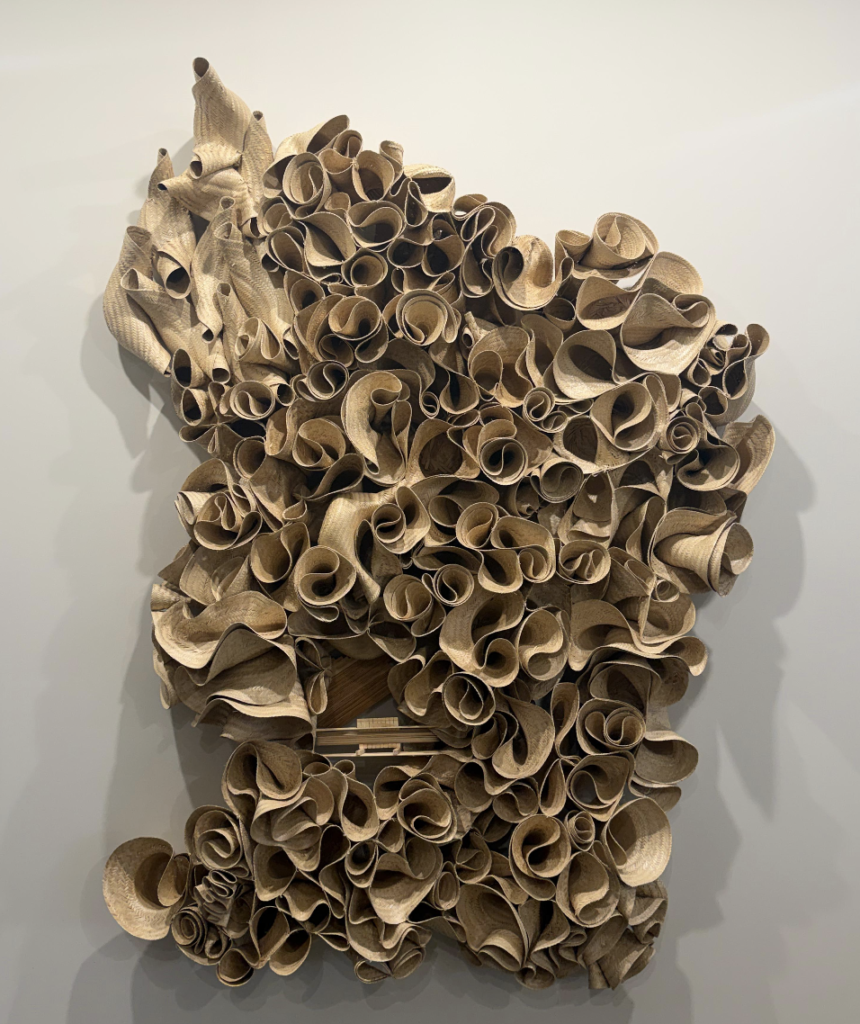
Laura Lima
Ninho comunal #14, 2026
Straw, sisal and wood
204 x 104 x 35 cm
Carmo Johnson Projects
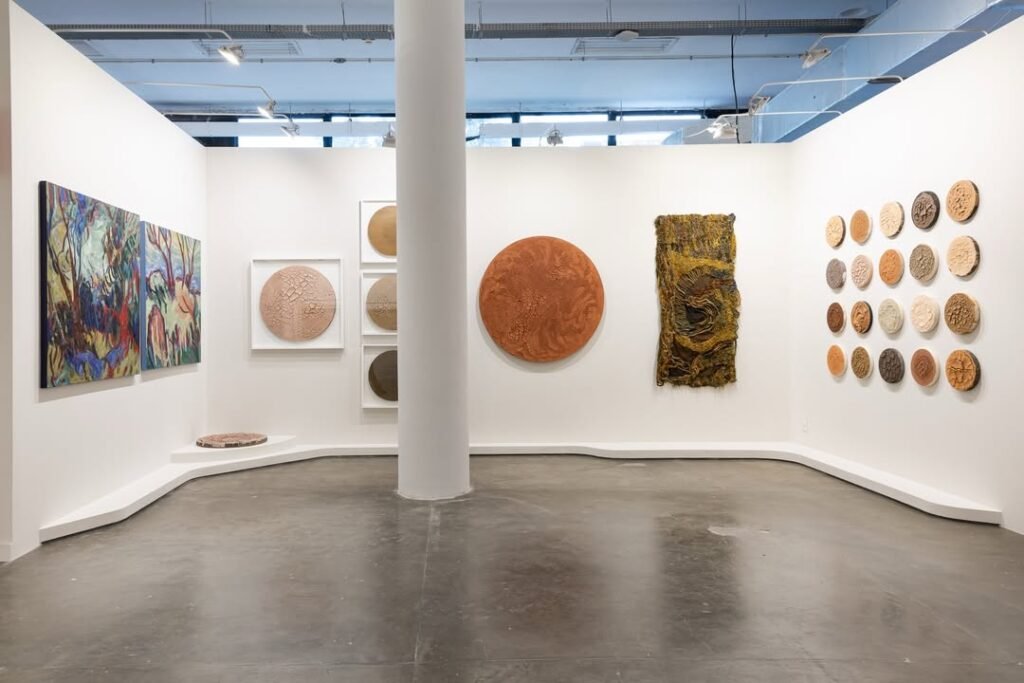
The Carmo Johnson Projects booth brings together Belony Ferreira, Nara Guichon, and Bea Balen Susin in a curatorial proposal by Paula Ramos that emphasizes their shared roots in Rio Grande do Sul and their deep engagement with materiality, memory, and environmental contexts, spanning generations.
The exhibition design by Miguel Croce introduces a fluid, curvilinear spatial logic that echoes Oscar Niemeyer, reinforcing an organic dialogue between the works and the viewer.
Belony Ferreira, now 90 years old, began her artistic practice after a life as a farmer. Working exclusively with earth in its various forms, ranging from translucent pigment applications to dense, material surfaces, she has, since the 1980s, developed a practice that transforms soil into a language of memory and gesture. Her works are presented in a price range of approximately R$12.000 to R$80.000 for historical pieces.
The gallery also signals a growing market trajectory, with early acquisitions by major São Paulo collectors and increasing institutional interest, positioning Belony Ferreira at the beginning of a broader cycle of recognition.
Cave + Estação
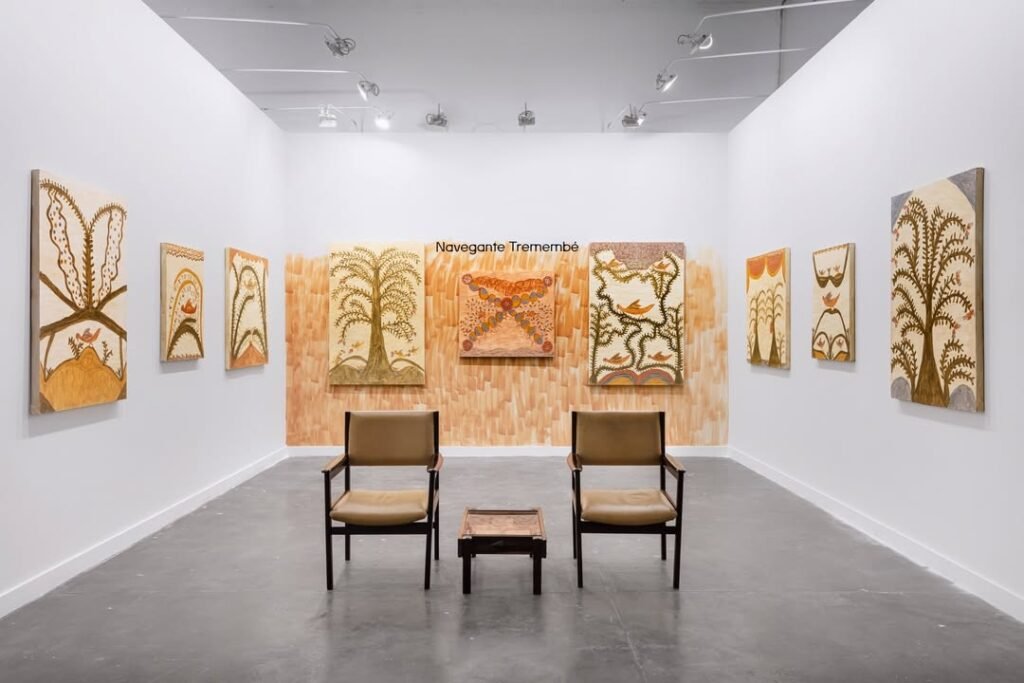
The collaboration between Estação and Cave presents a solo booth dedicated to Navegante Tremembé, confirming both strong sales and growing institutional visibility. Of the 20 works presented, 15 were sold, primarily to collectors from Minas Gerais, within a price range of R$10.000 to R$35.000. This commercial performance reinforces the rapid consolidation of the artist’s market, following her Prêmio PIPA recognition in the previous year and her three-year collaboration with the gallery.
Beyond the market, Navegante Tremembé’s trajectory is marked by increasing institutional presence, with recent entries into collections such as the Pinacoteca de São Paulo and the Museu de Arte Contemporânea do Ceará, alongside international articulations spanning Macau and Marrakech, and potential future inclusion in the Los Angeles County Museum of Art. Upcoming highlights include a solo exhibition at Estação at the end of April and participation in the Ceará Biennial, coinciding with the opening of the Holanda and Edson Queiroz Museum, consolidating her position within both national and global contemporary art circuits.
Solar dos Abacaxis
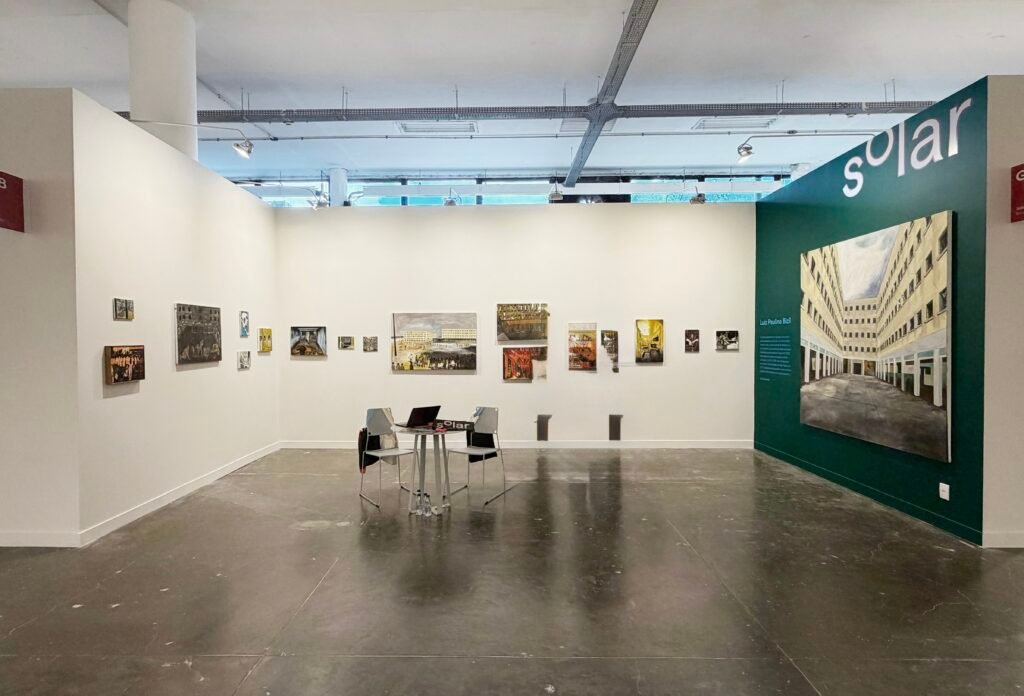
The Solar dos Abacaxis presents Luiz Paulino Bizil, reporting strong sales and institutional interest, with approximately 8 to 10 works placed, including a significant acquisition of five works by Instituto Bernardo Paz. With prices ranging from R$2.500 to R$25.000, the booth reflects a wide accessibility while attracting a diverse collector base, primarily from São Paulo.
Bizil’s practice, deeply rooted in his personal history, unfolds as a visual inventory of memory and lived experience, drawing from his time in the Carandiru prison. His growing institutional trajectory includes exhibitions at Solar dos Abacaxis and acquisitions by the Museu Nacional de Belas Artes through Paulo Herkenhoff and the Pinacoteca de São Paulo, alongside presentations at the Itaú Cultural, positioning his work within an expanding dialogue between social history and contemporary Brazilian art.
International Galleries
For the third consecutive year, SP–Arte has been unable to apply the ICMS tax exemption on imported artworks, a structural constraint that has significantly impacted the international presence at the fair. This fiscal barrier continues to limit the participation of foreign galleries, reshaping the ecosystem of the event and reinforcing its predominantly local dynamic.
Despite these challenges, a number of international galleries have maintained a strategic commitment to the fair, choosing to present their artists and engage with the Brazilian market. However, for first-time participants in particular, the reception has proven to be complex. Brazilian collectors remain strongly focused on national artists, driven by a combination of cultural affinity, market familiarity, and the current tax framework, which does not incentivize the acquisition of foreign works.
This situation reveals a dual tension. On one hand, international galleries face structural and commercial obstacles that discourage sustained participation. On the other, international collectors visiting the fair express surprise at the relatively limited global representation, which can affect the perception of São Paulo as a fully integrated node within the international art circuit.
Ultimately, this dynamic points to a broader systemic issue, one that is deeply rooted in political and fiscal policies, and which tends to perpetuate itself. While SP–Arte remains a powerful platform for Brazilian art, the question of international integration remains unresolved. Against this backdrop, it becomes essential to examine the results of the fair more closely, in order to understand how these constraints are concretely reflected in sales, visibility, and institutional engagement.
Baró
Spain
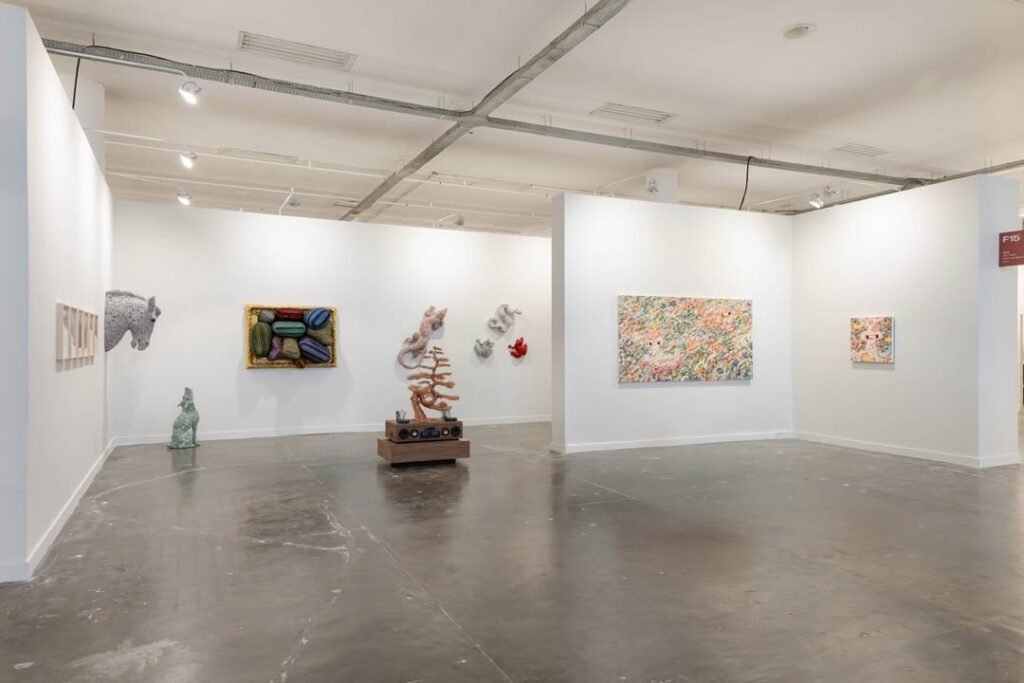
Baró Galeria, which has been regularly participating in SP–Arte and was previously based in Brazil, does not face the same challenges as newly arriving international galleries. This is largely due to its longstanding relationship with Brazilian collectors and a program that is well adapted to the interests of the local scene, even while introducing international artists. There has been particularly strong demand from collectors across São Paulo, Goiás, and Brasília for works by Joana Vasconcelos and Ayako Rokkaku.
The booth places a strategic focus on artists such as Mamali Shafahi and Domenico Gutknecht, whose works priced between $6.000 and $10.000, are increasingly sought after by prominent international collectors, including Urs Fischer, Jerry Saltz and Luc Tuymans, highlighting the gallery’s role in connecting emerging practices with global collecting networks.
RGR
Mexico
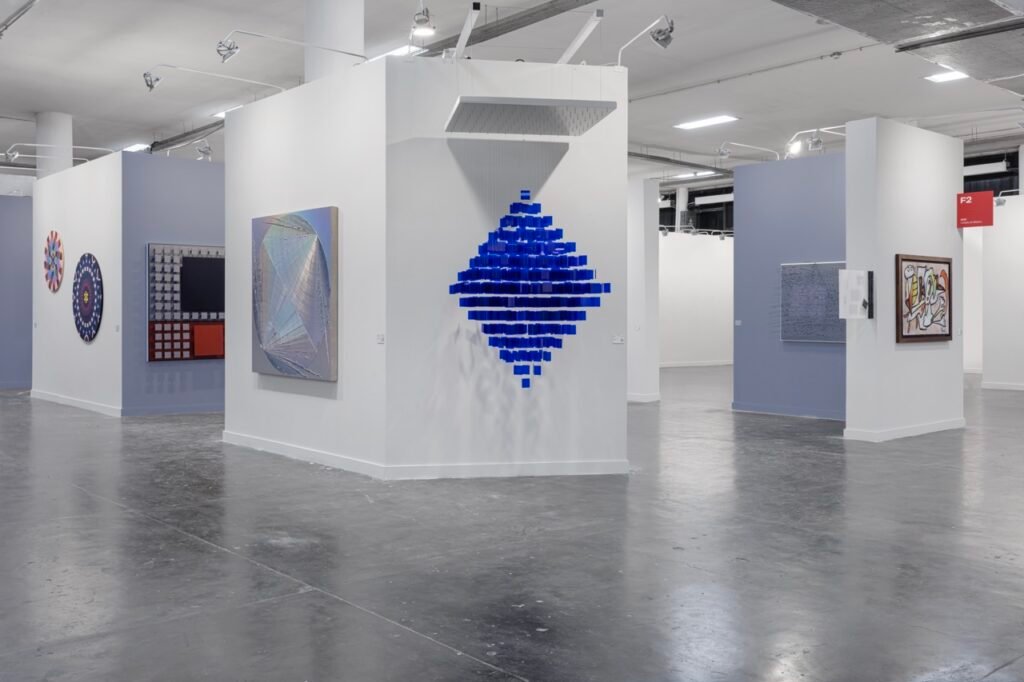
RGR presents a curated project, centered on Jesús Rafael Soto, exploring key series from the 1970s to 2000. Conceived as a prelude to the artist’s upcoming institutional exhibition at the MASP, the booth creates a dialogue between historical kinetic art and contemporary abstraction across geographies, including artists such as Julio Le Parc and Carlos Cruz-Diez.
Sales include Ambivalence by Jesús Rafael Soto around $150.000, one by Julio Le Parc from the alchemy series sold for $150.000, a work by Carlos Cruz-Diez (edition), and another major piece around $100.000, reflecting strong demand for key figures of Latin American kinetic art. Collectors have been primarily Brazilian, with additional institutional interest linked to upcoming exhibitions, reinforcing the continued relevance of kinetic art within both market and institutional contexts.
ORMA
Italy
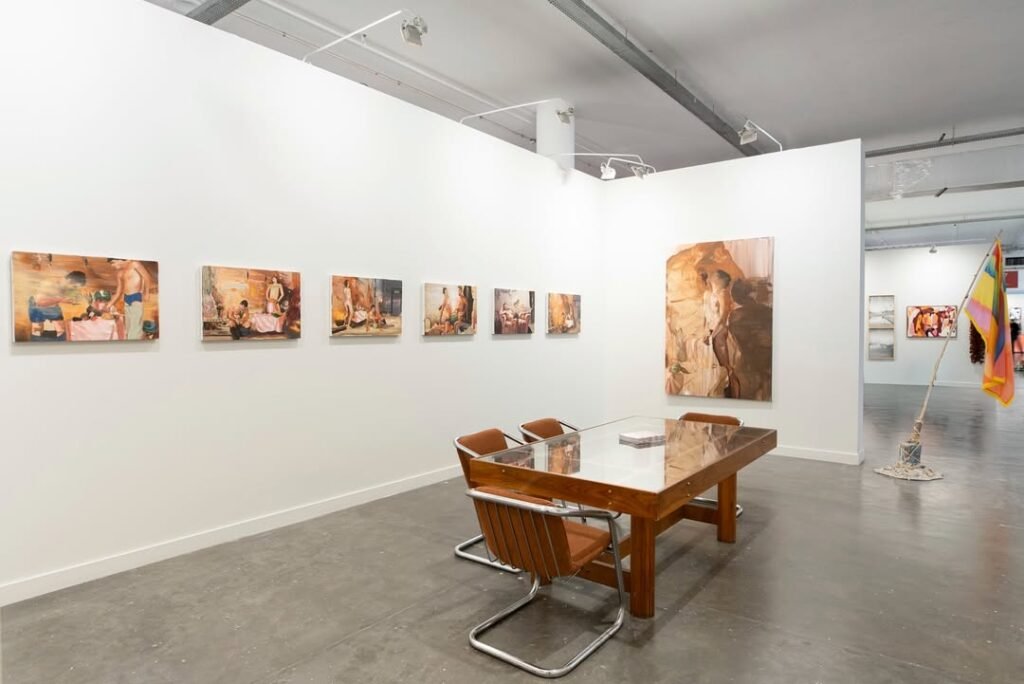
Orma Gallery reports strong early results with around 15 works sold in the first two days of the fair. Sales include works by Daniel Lannes, Luciano Maia, Giulia Mangoni, Paulo Agi and Andrea Galvani, reflecting a balanced engagement across the gallery’s program.
The gallery presents a project conceived between Milan and São Paulo, reflecting an ongoing cultural exchange between Italy and Brazil. Among the highlights are works by Giulia Mangoni, whose trajectory bridges both contexts, including participation in the Milan Triennale and a work held in the Museu da República. At the core of the booth is the new series Safe Sex by Daniel Lannes, curated by Victor Gorgulho, launched during the fair alongside a special catalogue published by Cosac Naify.
Atelier Hugo
France
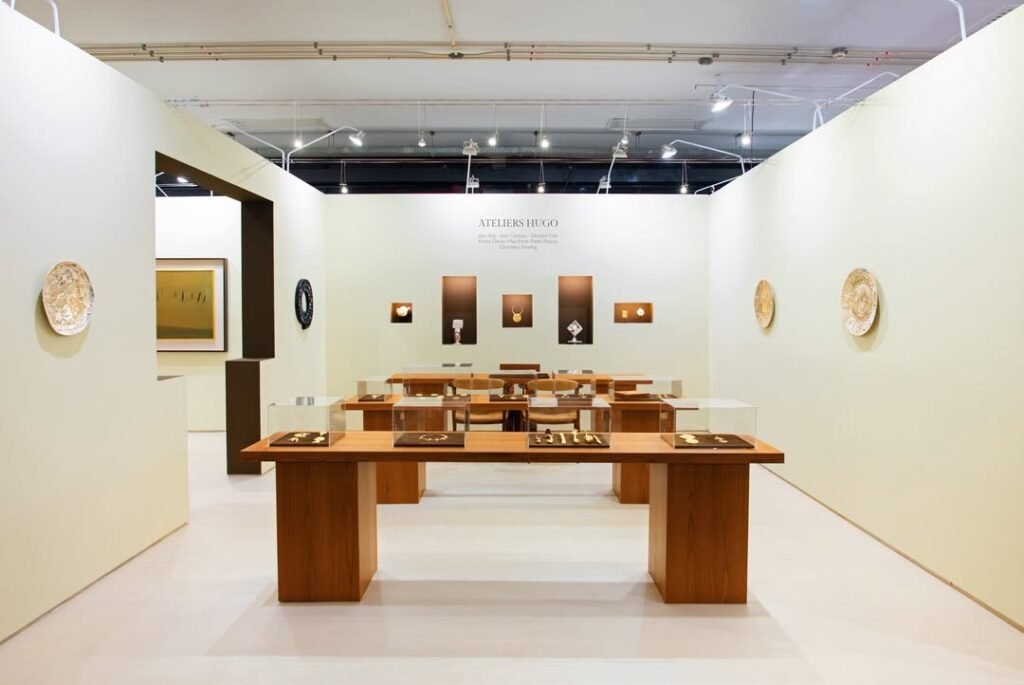
Participating for the first time at SP–Arte, the Ateliers Hugo reports a strong commercial debut, with approximately 30 pieces sold, primarily to Brazilian collectors. Prices ranged between €5.000 and €50.000, with a median around €20.000, reflecting both accessibility and strong demand across the presentation.
The booth highlights artist-designed jewelry by figures such as Pablo Picasso, Jean Cocteau and Salvador Dalí, with particular interest in Cocteau’s works and Dalí’s objects, including a silver cutlery set that attracted strong attention Brazilian collector who lives in New York. The presentation, conceived in dialogue with the history of modern art, also generated institutional interest, with Brazilian museums engaging with the project, underscoring the relevance of artist jewelry as a field bridging fine art, design, and collectible practice.
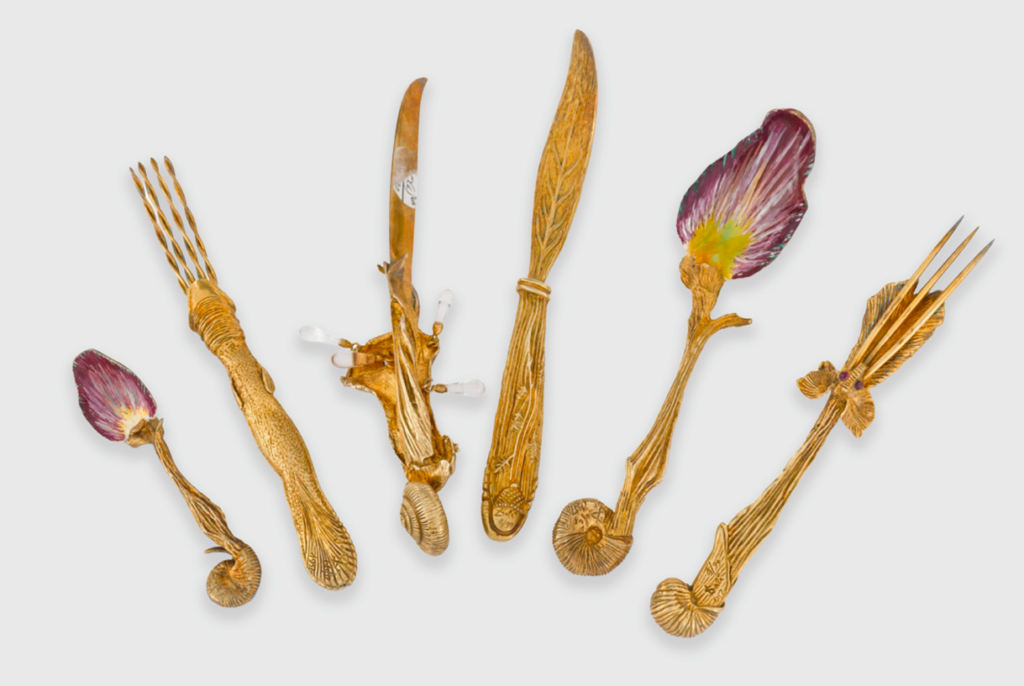
Salvador Dali
Ménagère Surréaliste, 1957
Sterling silver, 24 Karat gold, enamel and crystals
Set of 6
Asking Price: €49.500
Ruth Bencazar
Argentina
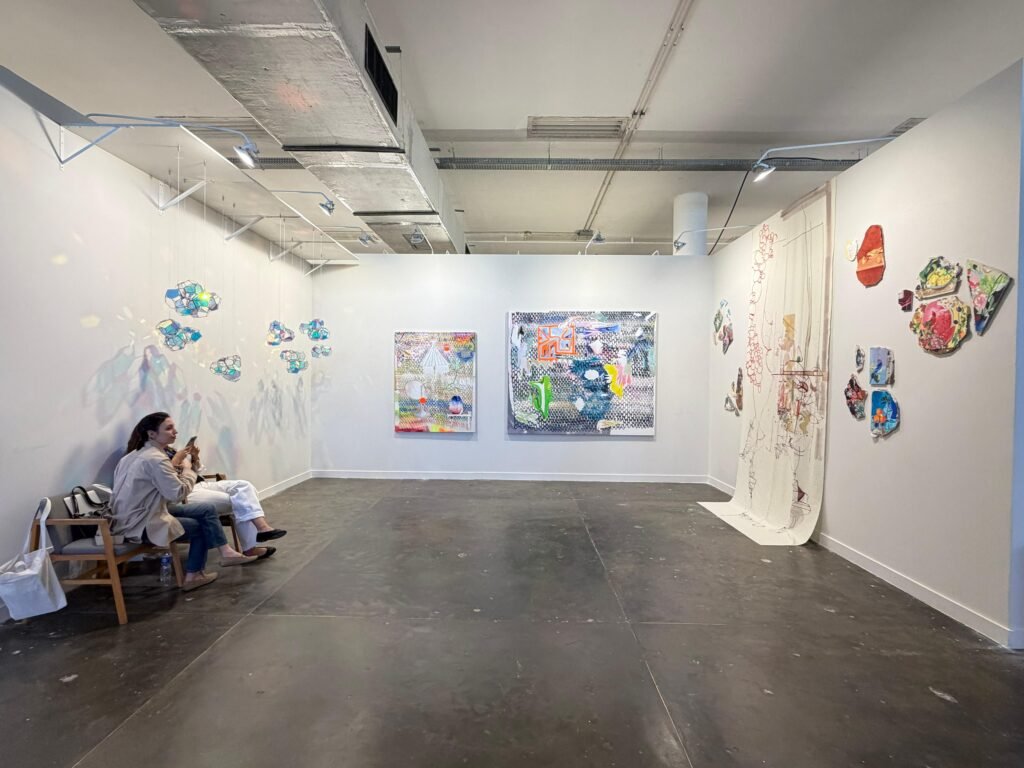
The gallery reports sales across all presented artists, primarily to São Paulo–based collectors. Price ranges vary between approximately €9.000 and €35.000 for works by Catalina León and Alejandra Seeber, while works by Tomás Saraceno are positioned around €30.000, reflecting a consistent engagement across different price segments and practices.
The booth emphasizes artists with strong ties to Brazil and Latin America, reinforcing regional dialogue. On the institutional side, Alejandra Seeber recently exhibited at the Americas Society NY, while Catalina León has presented work in Barcelona at Serpentine Gallery and is currently developing a large-scale site-specific installation project in Los Valles Calchaquíes, in the province of Salta, Argentina, conceived as a community-oriented initiative. These trajectories highlight the growing institutional and cross-regional visibility of the gallery’s program.
Foco
Portugal
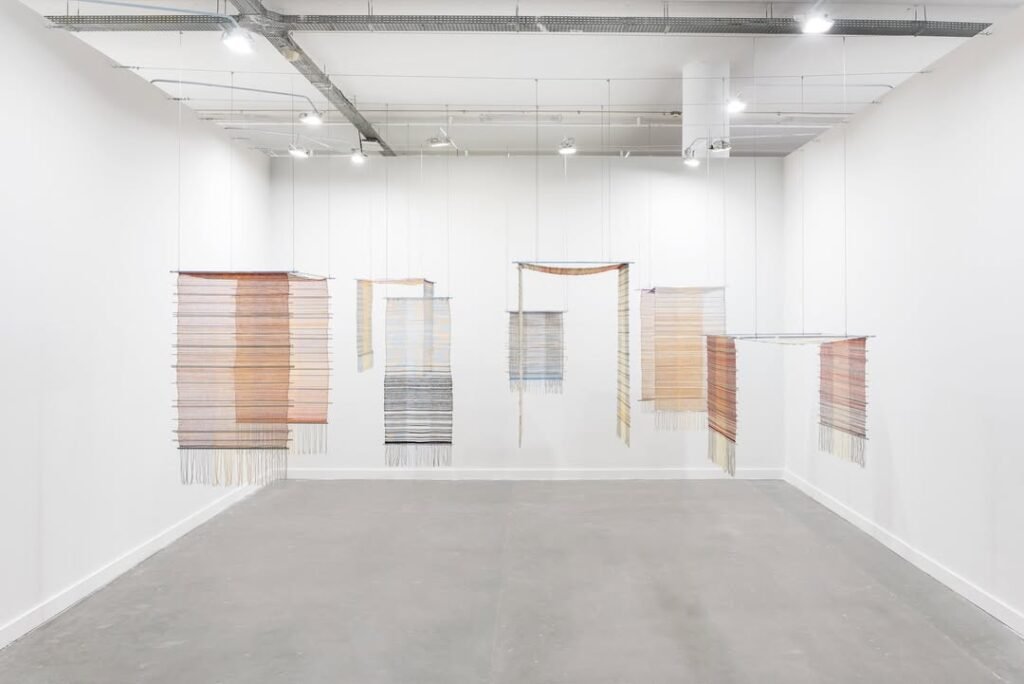
Foco Lisboa presents a solo installation by Maria Appelton (27), marking the gallery’s first participation with a focused curatorial approach. Composed of seven suspended textile-based structures, the installation explores processes of hyper-materiality, combining traditional weaving techniques with unconventional materials such as wood, plastic, and organic elements. The result is an immersive spatial experience that invites audience interaction.
The ensemble is offered as a complete installation at $52.000, reinforcing its conceptual integrity, while individual works are priced between $7.000 and $9.000.
Despite a more limited commercial response at the fair, the artist’s trajectory reflects strong institutional recognition, with recent acquisitions by the Portuguese State Collection and the Fundação La Caixa (António Cachola Collection), alongside her presence in major private collections such as the CAB Foundation in Brussels and collections in Latin America, including that of Juan Vergez in Argentina.
Having previously sold out presentations at international fairs such as ARCO Madrid in 2024, where works were placed during the preview, Appelton’s participation at SP–Arte signals a strategic introduction to the Brazilian market. While the gallery notes a more reserved response from local collectors toward this type of experimental practice, which tends to resonate more strongly with international audiences, the presentation positions her work within a global network of emerging contemporary artists.
Crisis
Peru
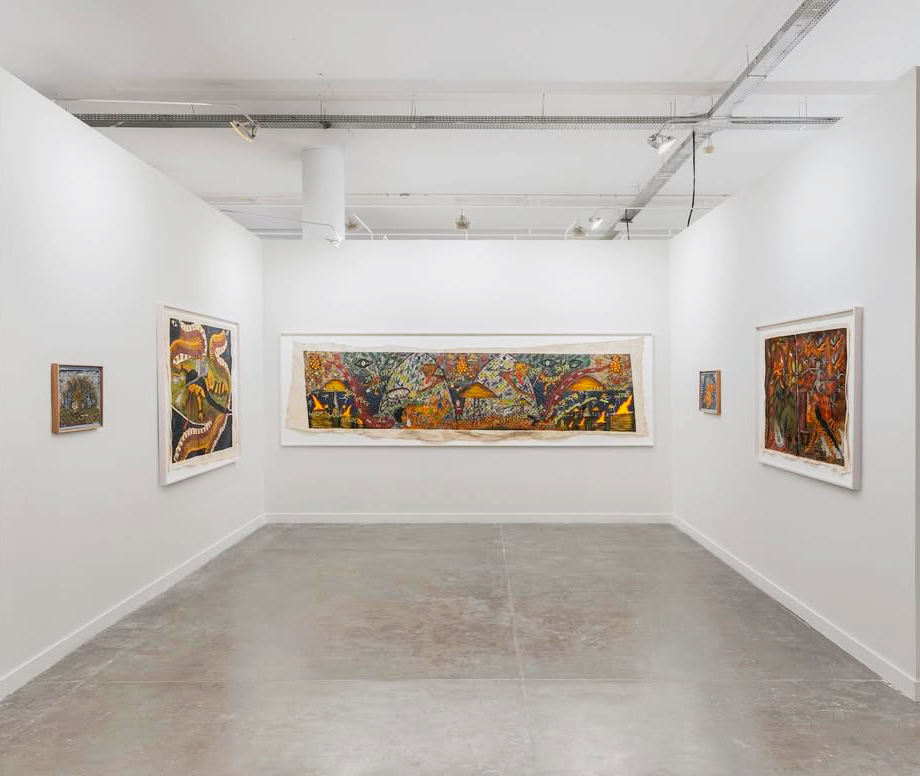
The Crisis participates for the first time in SP–Arte with a solo presentation by Santiago Yahuarcani. Following the opening of his institutional exhibition Santiago Yahuarcani: o princípio do conhecimento (April 2 – August 2, 2026) at the Edifício Pietro Maria Bardi, the booth presents a focused group of recent paintings on llanchama, also known as tururi in parts of Brazil. The gallery brought a concise selection of five major works, with prices ranging approximately from $20.000 to $80.000, reporting early sales alongside multiple ongoing negotiations, primarily with São Paulo–based collectors. However, it also notes a broader lack of curiosity and engagement from Brazilian collectors toward a non local artists.
Institutional exposure has played a key role in supporting interest, particularly through the MASP exhibition, which have helped strengthen recognition and identification. For some collectors, more recent presentations, such as the exhibition of Indigenous artists at Flexa Gallery, including works by Yahuarcani, have also contributed to building familiarity and confidence around these practices. His growing international recognition is reflected in acquisitions by major institutions such as the Solomon R. Guggenheim Museum, Museum of Modern Art, Tate and the Museo Reina Sofía, as well as strong collector engagement in the United States and Europe, reinforcing the increasing institutional and market visibility of Indigenous contemporary practices within the global art scene.
International Curators and Collectors on Brazil’s Artistic Momentum

Lorena Pérez-Jácome
Collector — Co Founder of Collegium in Avarelo Spain with Javier Lumbreras.
“SP–Arte strikes me as having an incredible level of quality, with a fresh and very compelling proposal. There is a very strong identity within Brazilian art, which sets it apart from what we usually see at other international fairs we are accustomed to attending.We discovered new galleries, artists, and also very interesting collectors. It has been a highly intense experience, with an abundance of information and stimuli, so we are still in the process of absorbing everything and drawing conclusions.
For the moment, the only work I am taking with me is a small piece by an artist I particularly loved, Lucas Dupin, for Collegium, from Lume gallery, and we are also considering acquiring works by Hal Wildson. We were also delighted to encounter the work of Ayla Tavares, who was our first resident in Arévalo. Seeing her evolution is truly remarkable.
Works that particularly caught our attention and that we are still considering: At Luisa Strina, Sidival Fila’s work struck me as particularly beautiful. We appreciate Vermelho’s program and have had a relationship with them for years, but André Komatsu was not previously so strongly on our radar, we both fell in love with one of his works at the fair. Detanico Lain also stood out. We are considering Aiswaju Lima for a possible commissioned work or a residency at Collegium. At A Gentil Carioca, the work of Denilson Baniwa particularly caught our attention. Among emerging artists, we were very impressed by David de Jesús do Nascimento, from Galeria Mitre. The same goes for Érika Magalhães, from Galeria Aura in fact, we considered acquiring one of her pieces.”

Jordan Pieper
Director — Delancey and Greene (New York).
Works with collectors across Detroit, Houston, Los Angeles, Philadelphia, and New York, many of whom have already acquired works by Brazilian artists such as Marina Weffort, Thalita Hamaoui, Bruno Dunley, Diambe, and Felipe Suzuki.
“SP–Arte was warm and inviting. For me, learning about lesser-known modernist Brazilian artists was a highlight. The fair was full of new, fresh material, artists, and ideas. It was incredibly refreshing and gave me a lot of new ideas to bring to my work with collectors in the United States.
We are currently considering a work by Vanderlei Lopes, as well as multiple works by Dani Lanz from Estação, and we will continue to include these artists in our conversations moving forward.”

Alfonso Castor
Board Member of the Curatorial Council of the Museo Tamayo and Patronato de Arte Contemporáneo (PAC), curator and advisor of SOMA México.
“The fair could bring a bit more of international galleries for the Sao Paulo collectors. Regarding international foreign collectors, it’s a great opportunity to understand what is happening in the Brazilian art scene and what Brazil artists have to offer.
In my opinion, Brazilian galleries bring wonderful works to the fair. I was able to buy some artwork from Denis Moreira, Vilanismos collective from Zielinsky Gallery for my personal collection.
What happens around the fair, in the galleries, art spaces, artist studios during these days is also wonderful and I believe that is credited mostly to the fair. Latitude and the association of galleries do a wonderful job showing us around and explaining to us what is happening in the art scene. It was definitely a great benefit for me to visit SP Arte and Sao Paulo’s art scene during this dates.”
Conclusion — SP–Arte 2026
SP–Arte 2026 ultimately confirms a structural shift within the Brazilian art market. While transactions above the $500.000 threshold remained relatively limited, and million-dollar sales either rare or undisclosed due to confidentiality, the fair’s true momentum lies elsewhere. The center of gravity has clearly moved toward the contemporary segment, where both internationally established artists and a rising generation of Brazilian talents are driving demand.
This dynamic is further reinforced by strong institutional validation. Many of the most sought-after artists presented during the fair are already embedded in museum collections or engaged in upcoming institutional programs, signaling a market increasingly aligned with curatorial recognition rather than purely speculative acquisition.
Notably, the prominence of Afro-Brazilian voices continues to shape the narrative of the fair, alongside the sustained and growing visibility of women artists and regionally rooted practices. These segments are no longer peripheral, they are central to both the critical discourse and market performance, reflecting broader global shifts in collecting practices and institutional priorities.
Looking ahead, SP–Arte appears firmly anchored in a trajectory of continuity and expansion. Its ability to attract an increasingly diverse and international audience, curators, collectors, and institutions alike, reinforces São Paulo’s role as a key platform for engaging with Brazilian art on a global scale. This growing visibility is echoed across international fairs, gallery representation, museum acquisitions, and auction results, all contributing to the consolidation of a market that remains uniquely resilient.
Driven by a strong domestic collector base and now amplified by a new wave of international interest, the Brazilian art market stands out for its singular energy, complex, diverse, and increasingly influential on the global stage.
Auctions
Arte para Arte Auction
To assert its structural resilience, the fourth edition of the Arte para Arte charity auction, held on April 9, 2026, emerges as a strategic platform reinforcing the ecosystem that sustains the country’s artistic future.
This year’s edition reached a significant milestone, with total sales reportedly exceeding R$5.2M, marking a record for the initiative. Organized with a clear institutional vision, the auction brought together a carefully curated group of leading contemporary artists, whose contributions reflect both strong market recognition and a shared sense of responsibility toward the broader cultural landscape.
Among the highlights, a 110 × 110 cm azulejo painting by Adriana Varejão, estimated at R$1.6M, achieved an impressive R$2.7M. A work by Alex Cerveny (60 × 30 cm), initially valued at R$200.000, reached R$310.000.
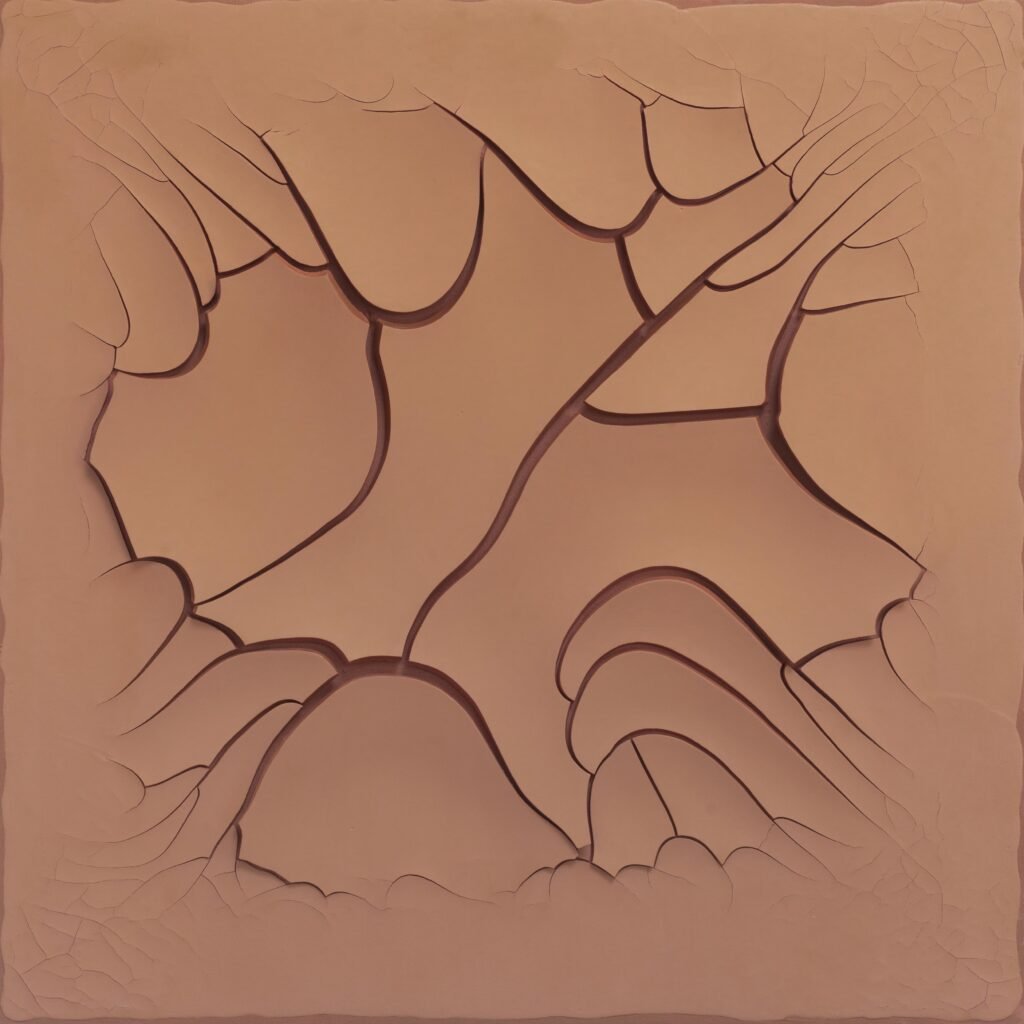
Adriana Varejão
Maragogipinho barro, 2025
Oil and gesso on canvas
110 x 110 x 6 cm
Sold: R$2.700.000

Alex Cerveny
Ne me quitte pas, 2026
Acrylic and oil on canvas
60 x 30.5 cm
Sold: R$310.000
Alongside these established figures, a new generation of voices demonstrated remarkable momentum: a painting by Marcela Cantuária, estimated at R$50.000, sold for R$135.000; Dalton Paula estimated at R$200.000 achieved R$570.000; and Rosana Paulino sold a 50 × 55 cm painting from an initial bid of R$120.000 to R$340.000 and Rayana Rayo oil on canvas estimated at R$50.000 reached a notable R$300.000.
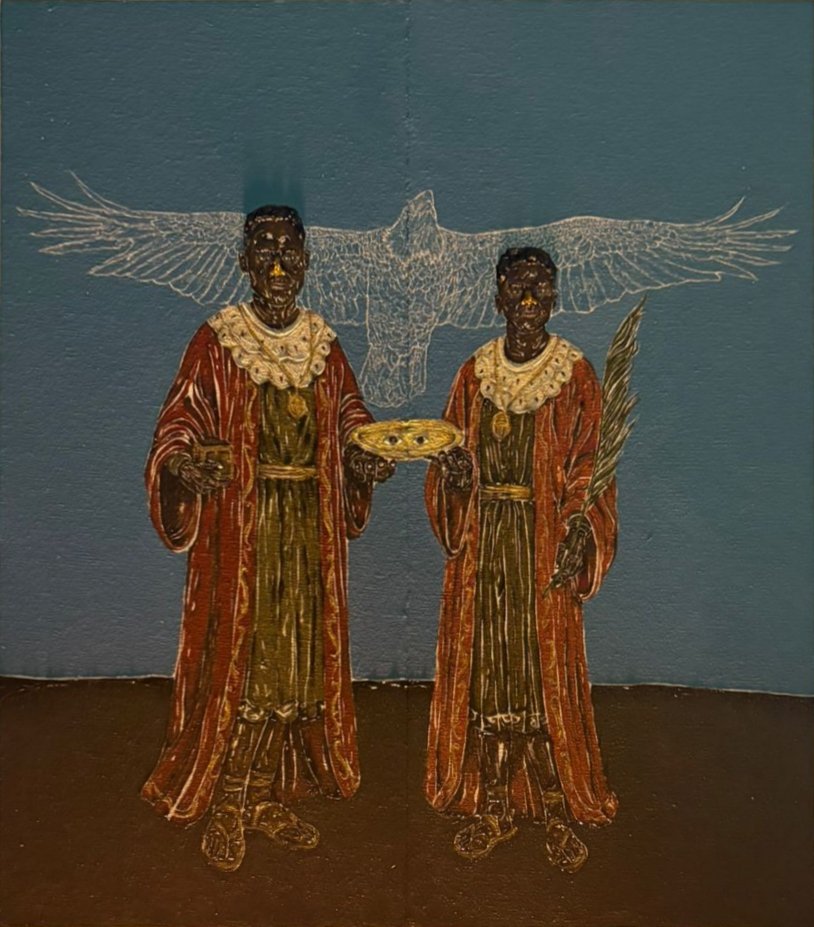
Dalton Paula
São Cosme, São Damião e Santa Luzia, 2026
Oil on canvas
61 x 54 cm
Sold: R$570.000
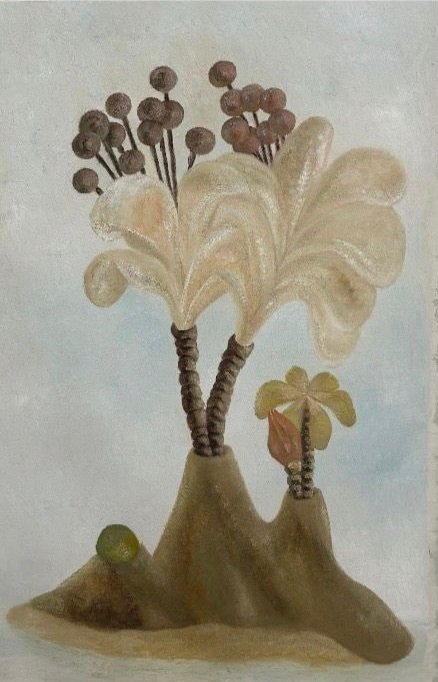
Rayana Rayo
Tempo de qualidade, 2026
Oil on canvas
88 x 55 cm
Sold: R$300.000
Beyond the act of donation, the auction signals a growing collective awareness within the Brazilian art scene: that the sustainability of the market depends not only on commercial performance, but on the continuous nurturing of its future protagonists.
The artworks were generously donated directly by artists and galleries, including Nara Roesler, Almeida & Dale, Cerrado, Flexa, Marco Zero, Martins & Montero e Nara Roesler, among others. The funds raised are directed toward institutions operating at the forefront of artistic education and social impact, including Ali.Leste, Bela Maré, Casa do Povo, Fundação Casa Grande, Fundo Elixir, Sertão Negro, Solar, and Spectaculu.
Bolsa de Arte Auction
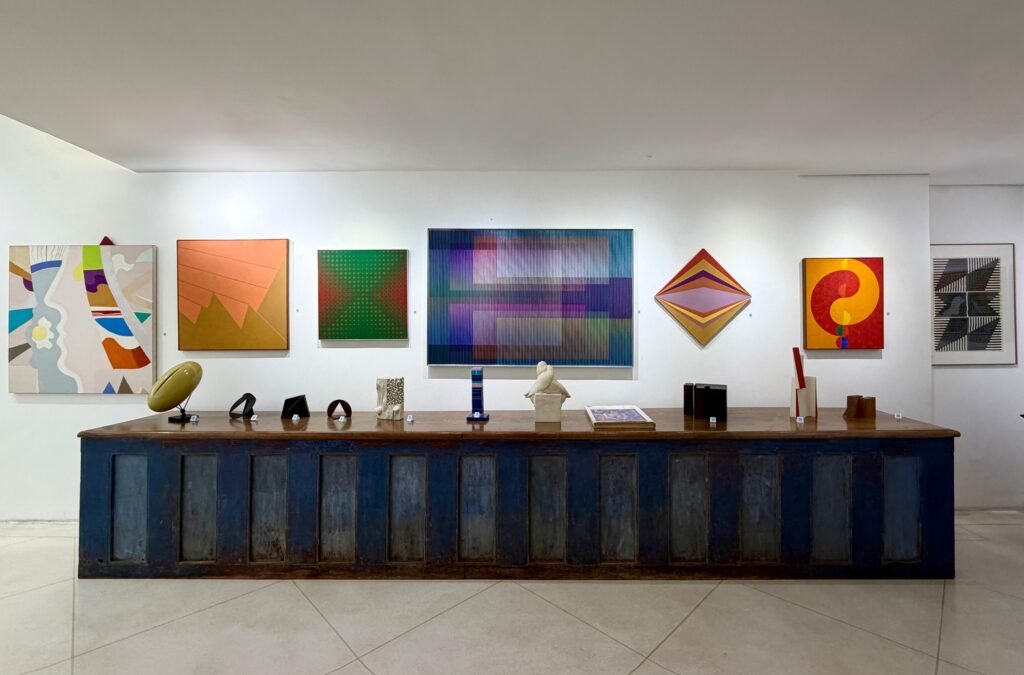
Next Tuesday, April 14, Bolsa de Arte will also hold a major auction, further reinforcing the momentum of the Brazilian art market during this week.
The sale will feature important historical names, including Di Cavalcanti, Antonio Bandeira, Tunga, Roberto Burle Marx, Jesús Rafael Soto, Carlos Cruz-Diez, Sergio Camargo, and Lucio Fontana, among others.
Let’s note that works are presented with particularly attractive estimates, offering compelling opportunities for collectors to acquire significant pieces at competitive price levels.
You can consult the full auction catalogue at the following link:
View the auction catalogue
If you would like to bid during the auction, our advisory team is available to support you with real-time strategic insights. Please feel free to contact us via WhatsApp for dedicated and confidential assistance.
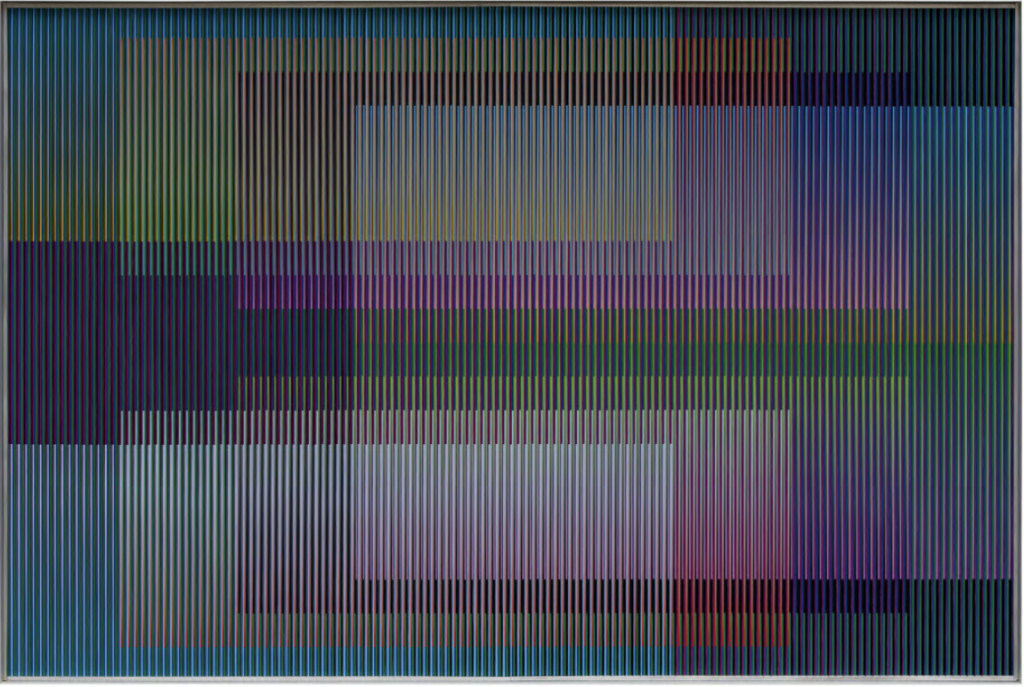
Carlos Cruz-diez
Physichromie Panam N. 6, 2009
Chromograph on aluminum
100 x 150 cm
Estimate: R$ 3.000.000 – R$3.500.000
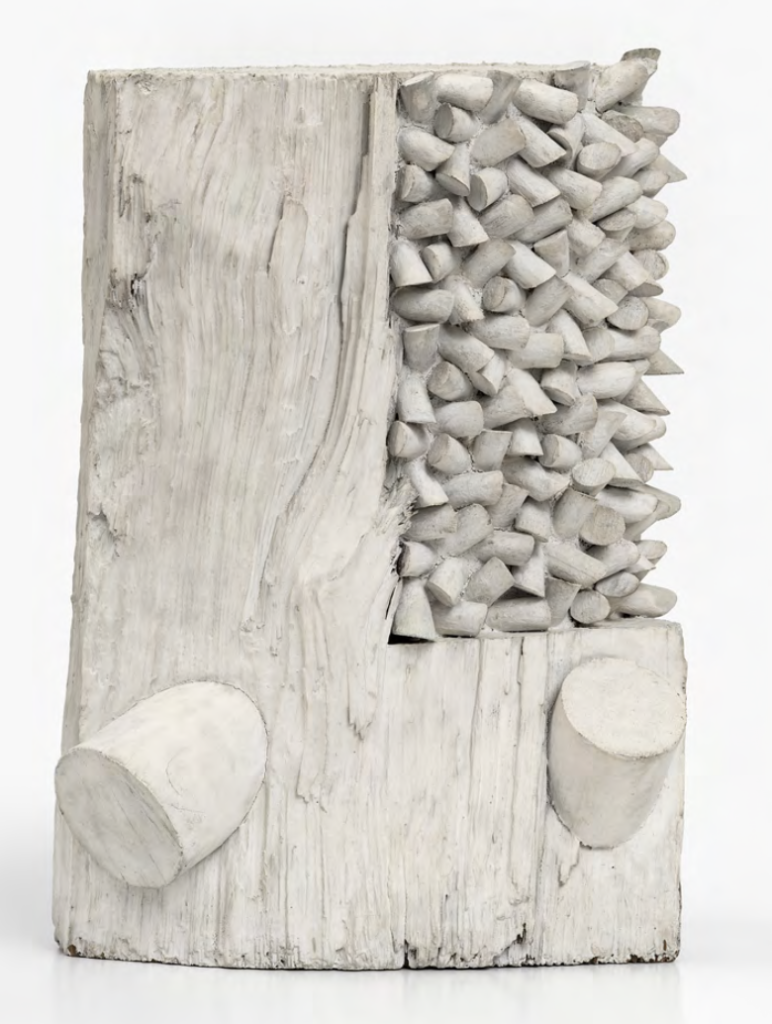
Sérgio Camargo
Relevo, 1964
Relief in painted wood
28 x 19 x13 cm
R$1.800.000 – R$2.500.000
Support Our Work
For nearly four years, Sophie Su Art Advisory has been committed to delivering sharp, independent, and globally connected insights into the art market with a particular dedication to amplifying Brazilian art on the international stage.
This work requires time, research, presence on the ground, and a long-term vision. As we look ahead, we aim to expand our impact through institutional partnerships, including projects supported by Brazil’s cultural incentive framework such as the Lei Rouanet, ensuring the continued visibility and recognition of Brazilian artists worldwide.
If our content informs, inspires, or supports your perspective, we invite you to take part in this journey. Your contribution, of any amount, directly sustains this platform and allows us to remain independent, rigorous, and forward-thinking.
Every gesture matters, and we are deeply grateful for your support.
Donations can be made via Pix (Brazil), and are tax-deductible.
PIx:
CNPJ: 27644332000165
SOPHIE SU A& D COMERCIO E SERVICOS LTDA
Or international wire transfer to SOPHIE SU ART ADVISORY, LLC
EUROPE
IBAN: DE32 1001 1001 2621 2772 83
BIC: NTSBDEB1XXX
USA – JP MORGAN CHASE BANK
ABA: 021000021
ACC: 569328977

© Sophie Su Art Advisory. All rights reserved.
The content of this publication, including texts, analyses, and data presented, is protected by copyright and may not be reproduced, distributed, modified, or used, in whole or in part, without the prior express authorization of Sophie Su Art Advisory.
For requests for use, reproduction, or editorial partnerships, please contact us through our official channels.